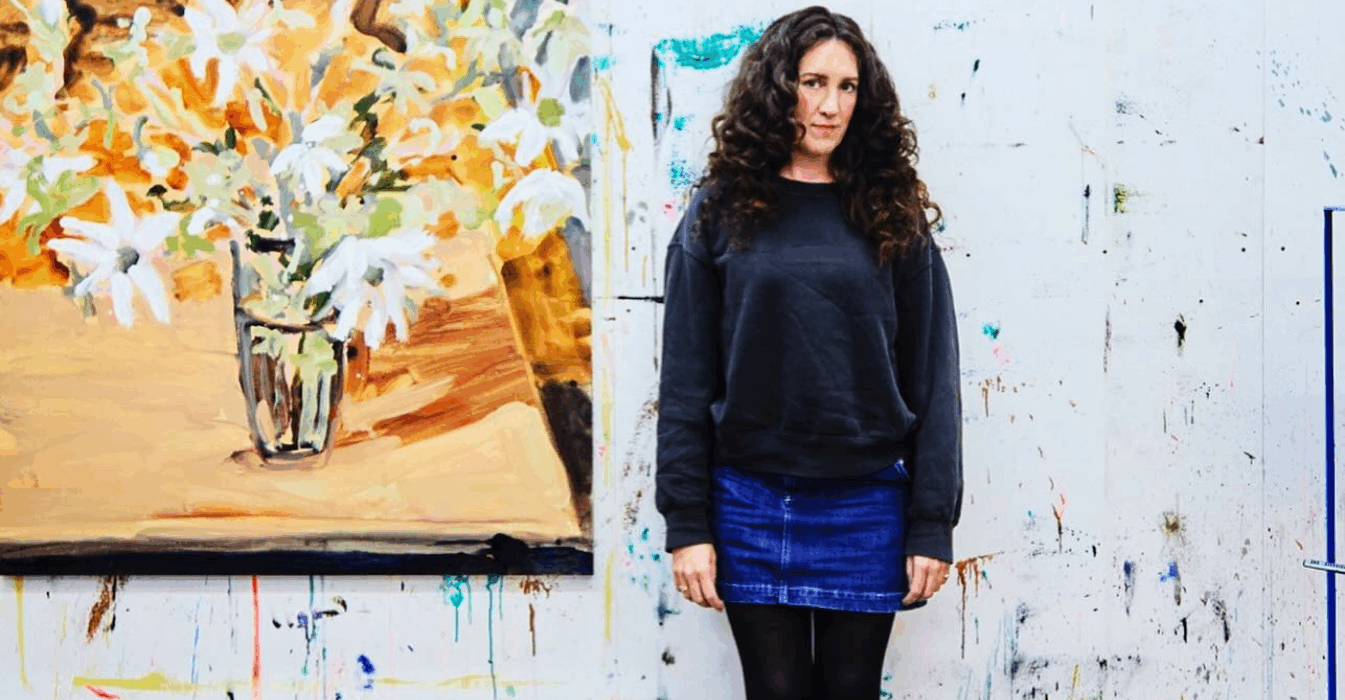
Guided by instinct and a sensitivity to the emotional weight of everyday spaces, Laura Jones’ practice moves between still life, interior, and memory. We spoke to the artist about her current exhibition, Rooms, at CHALK HORSE. In this conversation, she reflects on the slow pull toward a life in art, the ways intuition shapes her painting process, and how Rooms emerged from a period of personal return and recalibration.

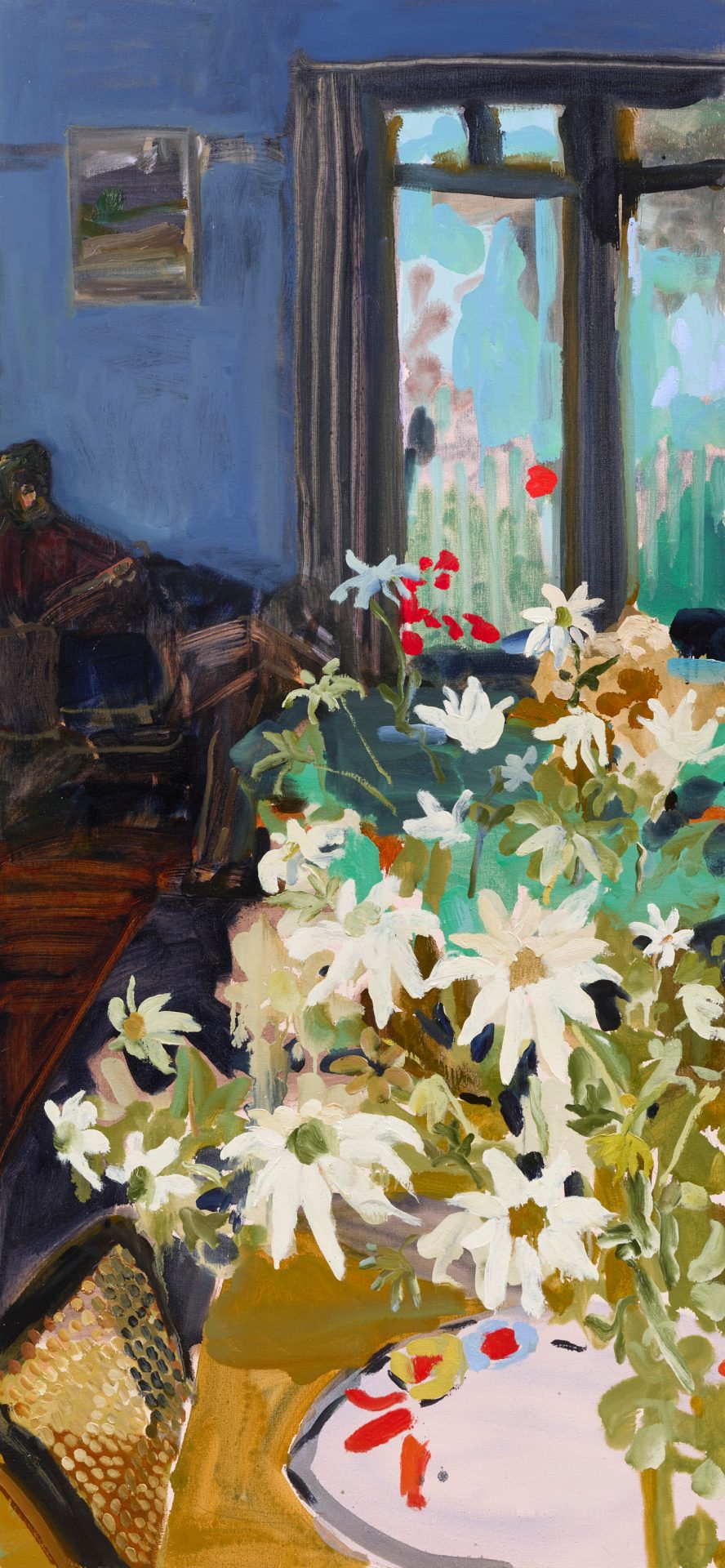
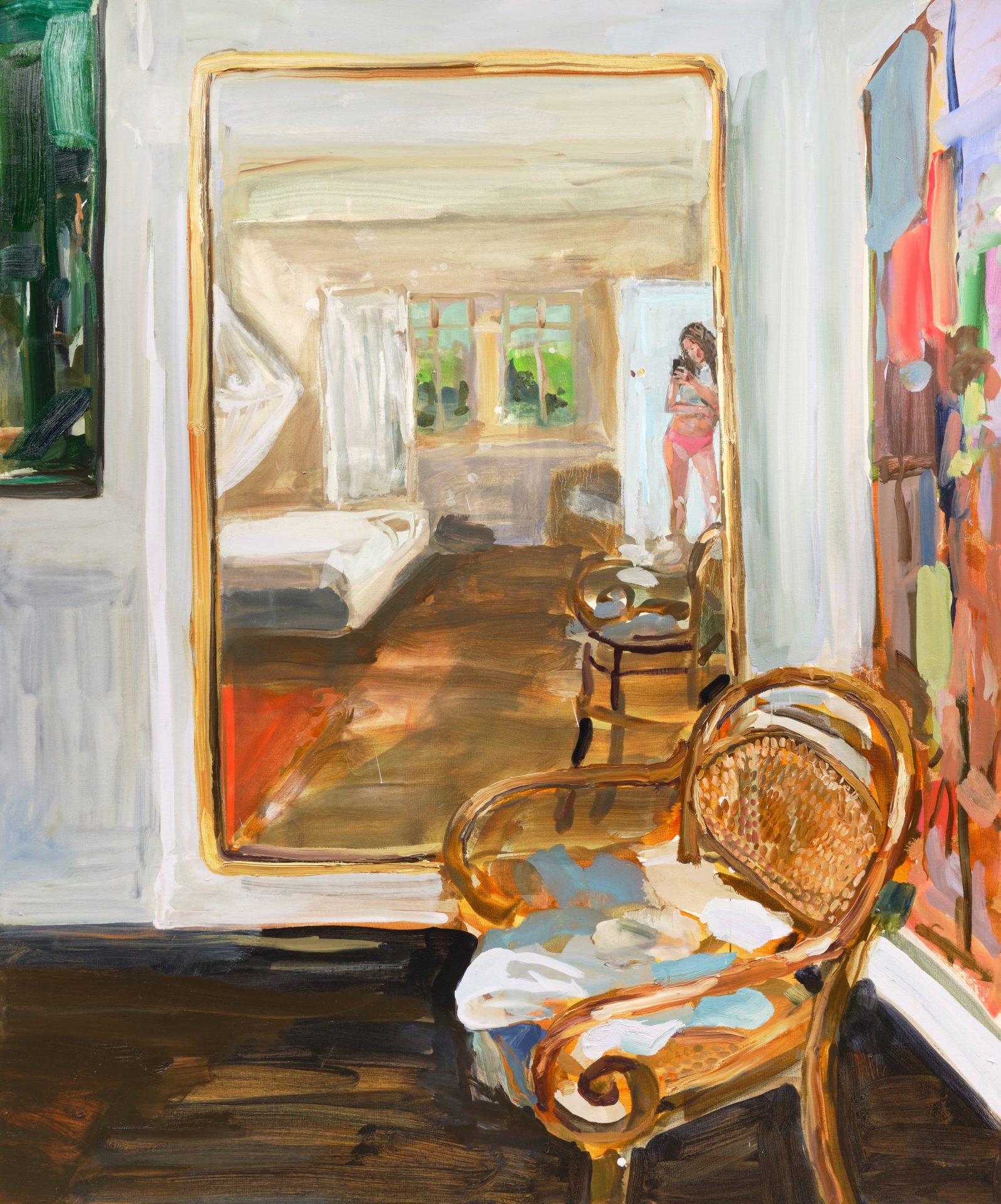
Image: Front Window, 2025
What inspired you to pursue a career in art, and how has your journey as an artist evolved over the years?
It wasn’t an overnight decision to pursue art, but when I was a teenager and young adult figuring out what I wanted to do with my life, I felt a constant and gradual pull towards art. I made decisions that I thought were sensible for my future, but then I couldn’t ignore that I really just needed to try and find a way to make art the centre of my purpose. I finished an arts degree and then decided to enrol in a printmaking masters at UNSW. Funnily enough I met lots of painters in the printmaking department. Seeing how they had studios and lived their lives inspired me to get a studio of my own. Then, I just kept following my gut. I had lots of different part-time jobs, and there were many years where I did a bit of everything, but art became my main purpose and I was determined to pursue it full-time.

Image: Mirror View, 2025
How do you approach the creative process when starting a new painting? Do you have any specific rituals or techniques?
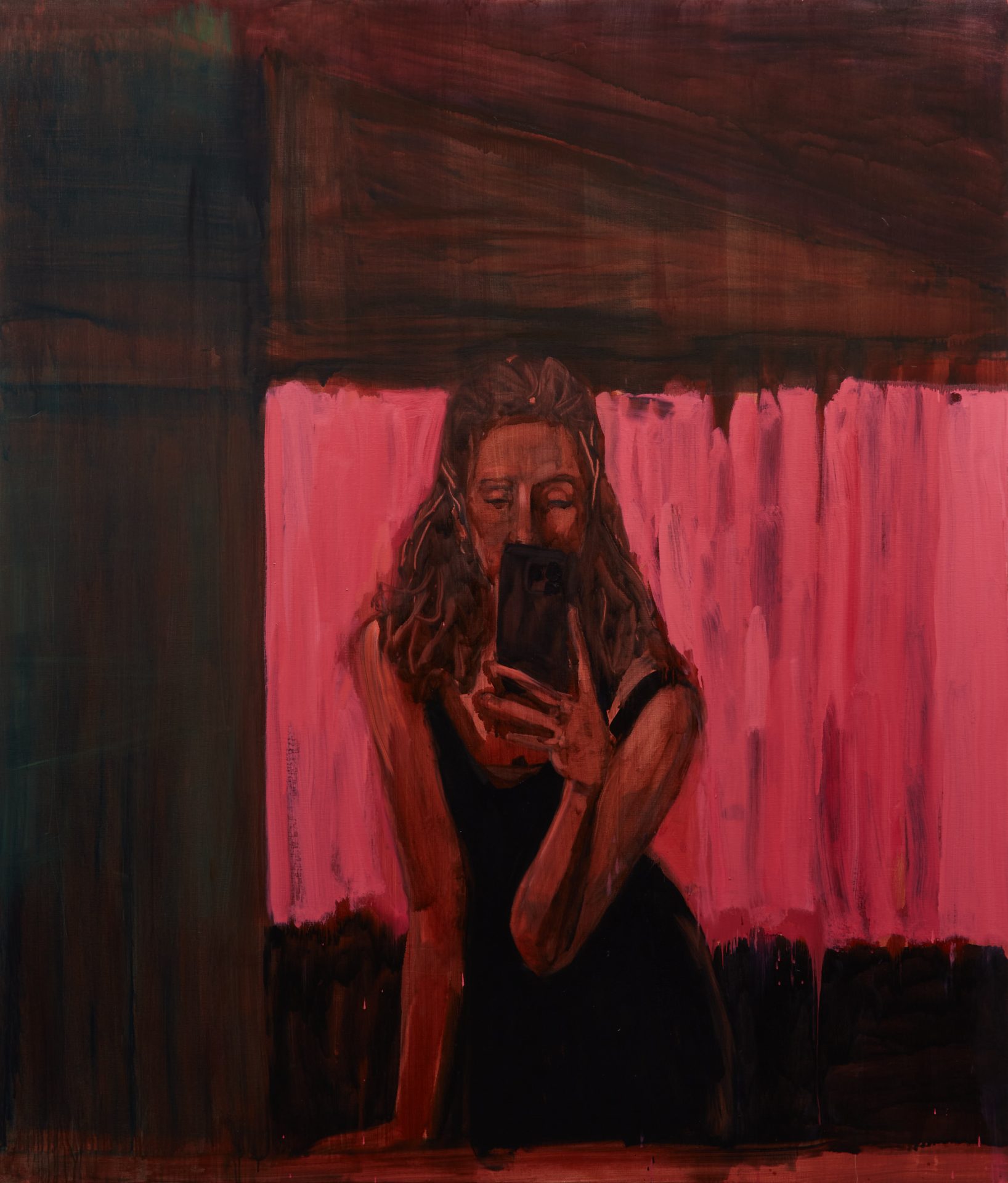
I’m always trying to keep it interesting for myself and expand the framework of how I start a painting series. I tend to think about making a body of work and narrow down my interests at the time. It might be that I’m experimenting with a particular colour or surface and theme, but I try to identify the thread of it early on. And then there will be a painting that I think encapsulates that idea and it becomes the painting I compare every consecutive painting to. I’m always thinking about how to capture emotion and time passing. Still life is very effective for me, but I also try to include some autobiographical elements. I want to document a sense of what the here and now is like, so that when I look back my work has elements of the feeling of a certain time.

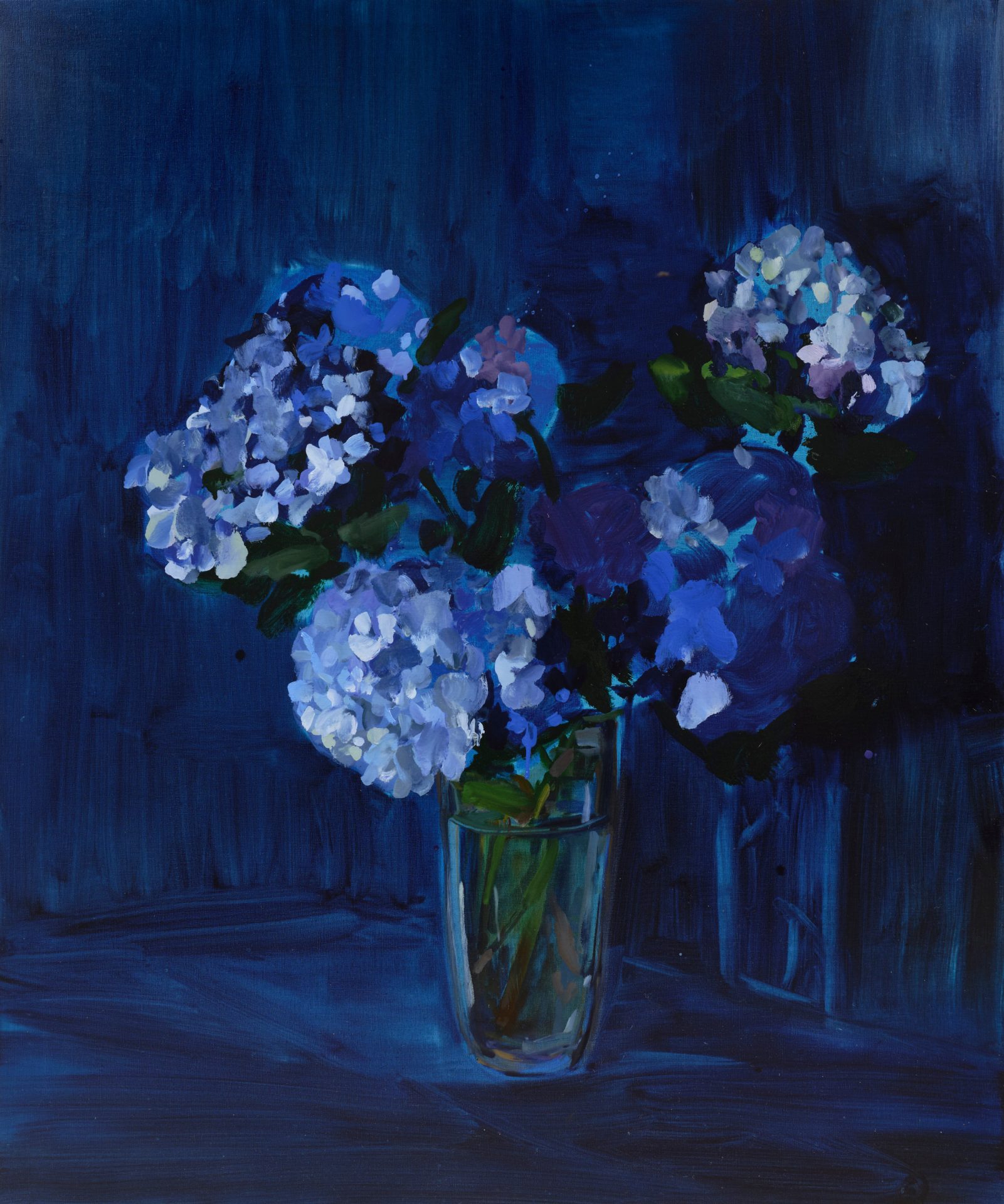
Image: Hydrangeas, 2025
Your work often places domestic interior elements alongside evocative natural forms, how is that interplay showing up in the new works at CHALK HORSE?
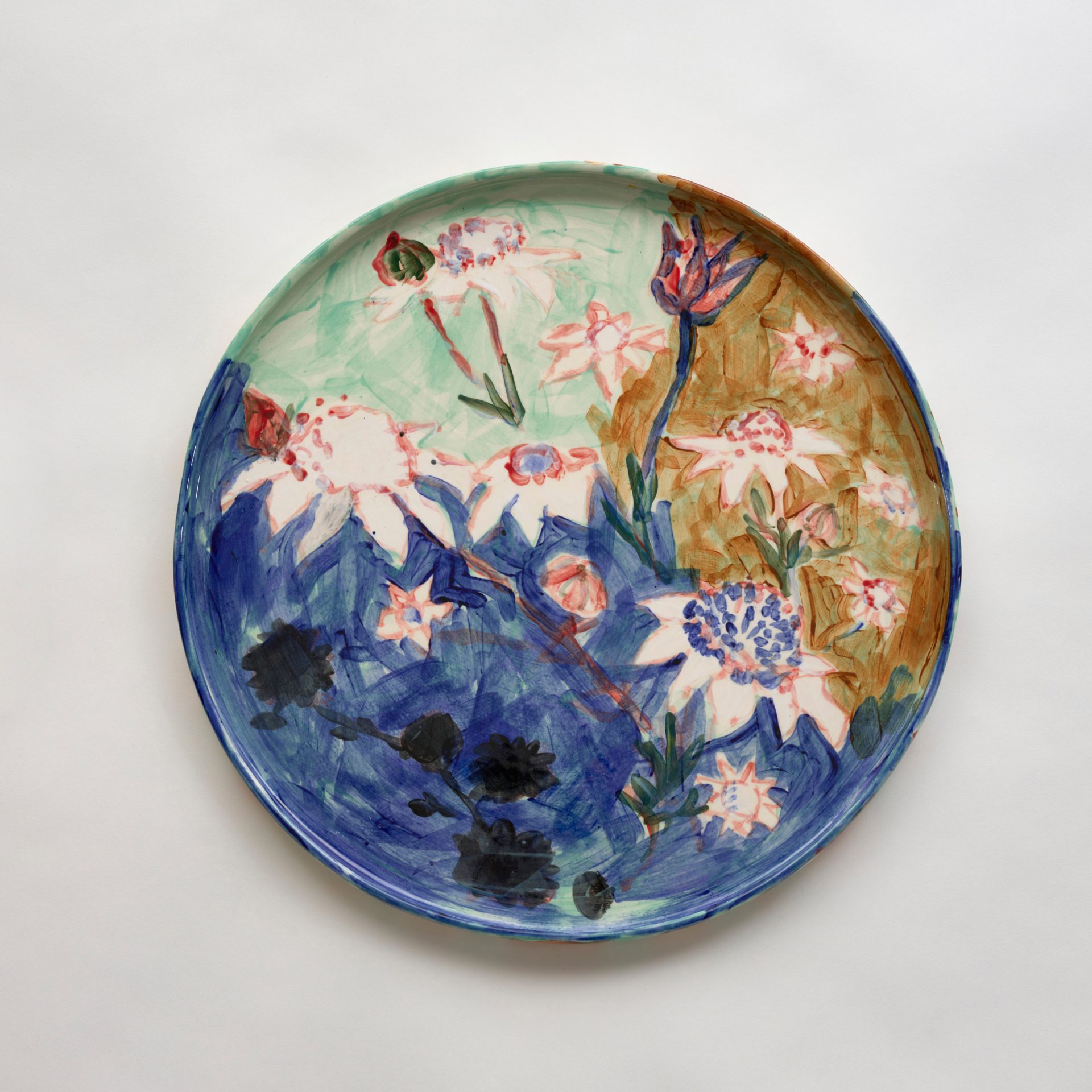
For Rooms at CHALK HORSE, I was painting vignettes from home. I was trying to make sense of moving home to the town I grew up in after living in S ydney for 20 years. You would think I’d start with landscapes being in the Blue Mountains, but I was somehow drawn to narrowing my perspective to walls and doorways and intimate scenes as a way to settle into the sense of the domestic space as a place to begin opening up. The world has become so overwhelming, and I am very concerned about the future of the planet, our wild places, and the climate. But the way we live is so important to think about. Our indoor life is not at all disconnected from our outdoor one. As I get older, I become more and more sensitive to that. I think back to my grandmother being so waste-conscious. She would use shower caps on bowls instead of Glad Wrap. My Mum repairs everything that breaks and never buys anything on a whim. She thinks about how long it will last and how much she really needs it. Somehow within just a few generations it has become too easy to consume so much, and our waste has exploded, letting our indoor lives become so disconnected from our resources. Anyway, I wanted to make a show that really engaged with the domestic and the handmade. I’ve always been a fan of bringing nature indoors and embracing those elements that make a home feel like home.

Image: Pink Flannel Flower, 2025
Your exhibition at CHALK HORSE Rooms draws on what has been described as a melting pot of memories, premonitions and beauty. How do you navigate this while constructing a single interior or landscape?
I try to keep it simple. It’s important to remember that there’s a language in the way that paint is used. Painting is my outlet, and each painting reflects a small moment of a life that navigates so much emotional terrain. I think you could try and document every tiny emotion and become overwhelmed with trying to squeeze in too much information. Sometimes it’s about what you leave out, when you stop, and how much to leave unanswered for the viewer.

Image: Self Portrait, Kurrajong, 2025
Where do you hope to see your practice in 10 years?
I hope I’m just making better and better paintings for the rest of my life.
___
Jones’ exhibition continues at CHALK HORSE until 20 December