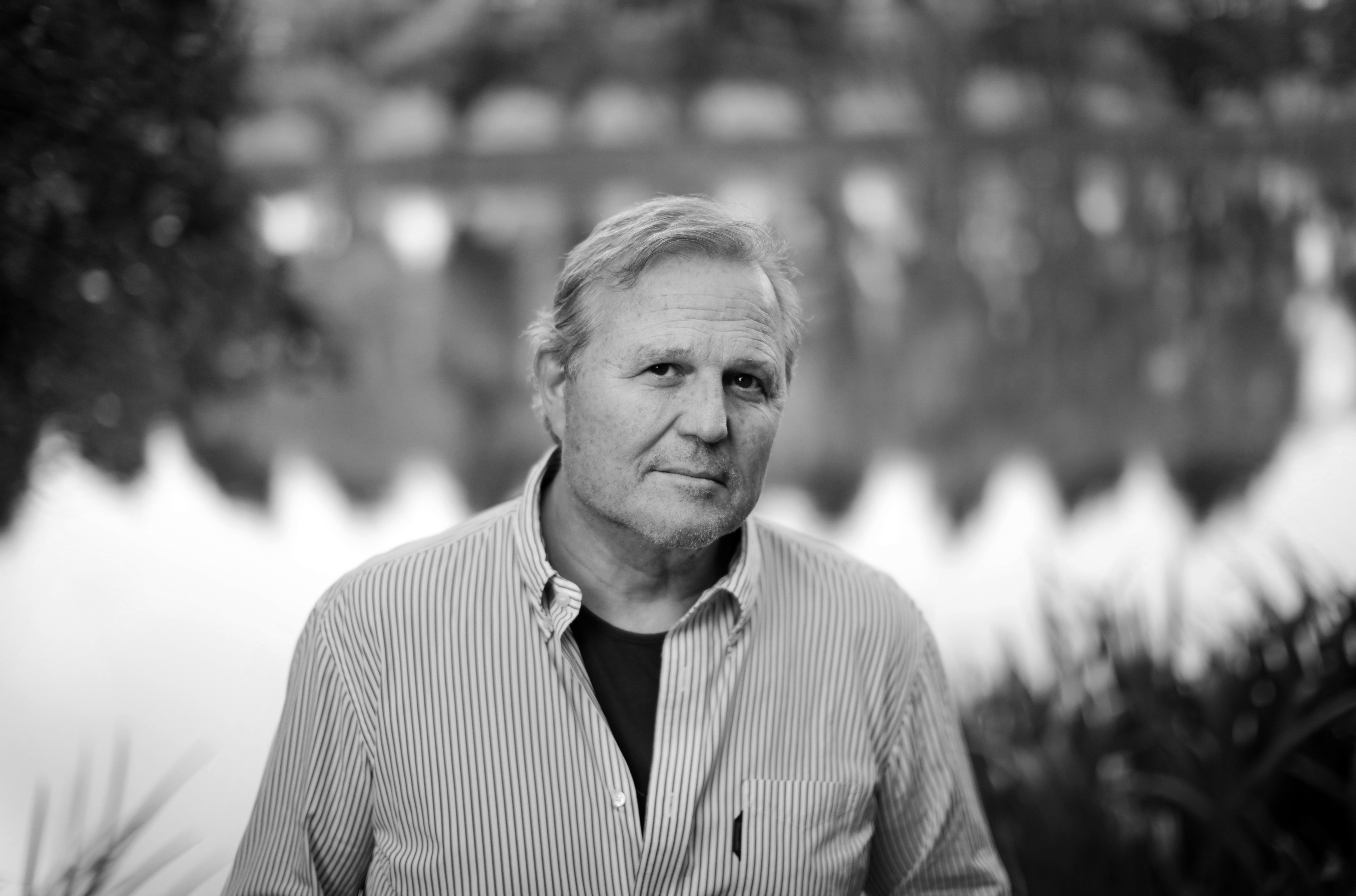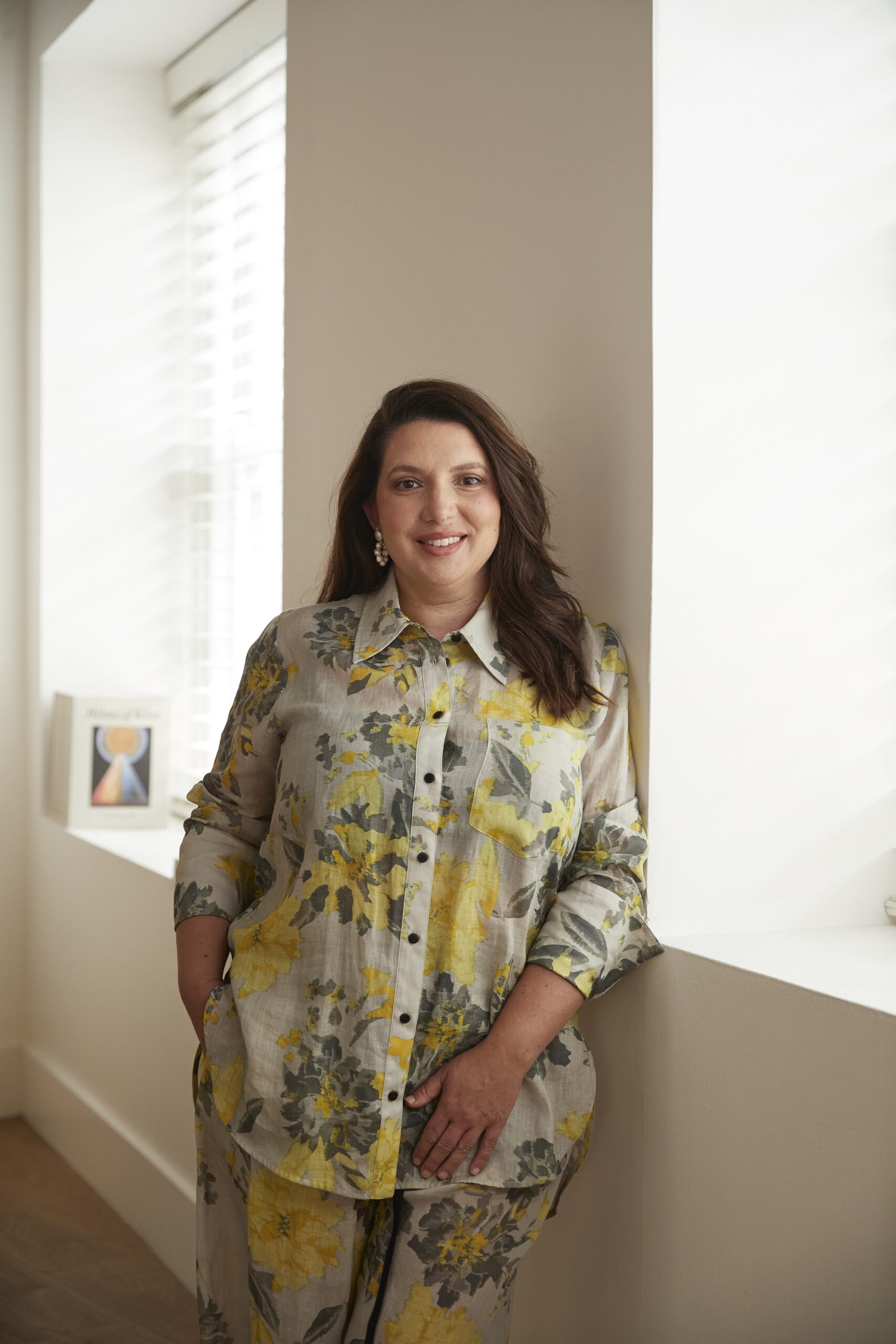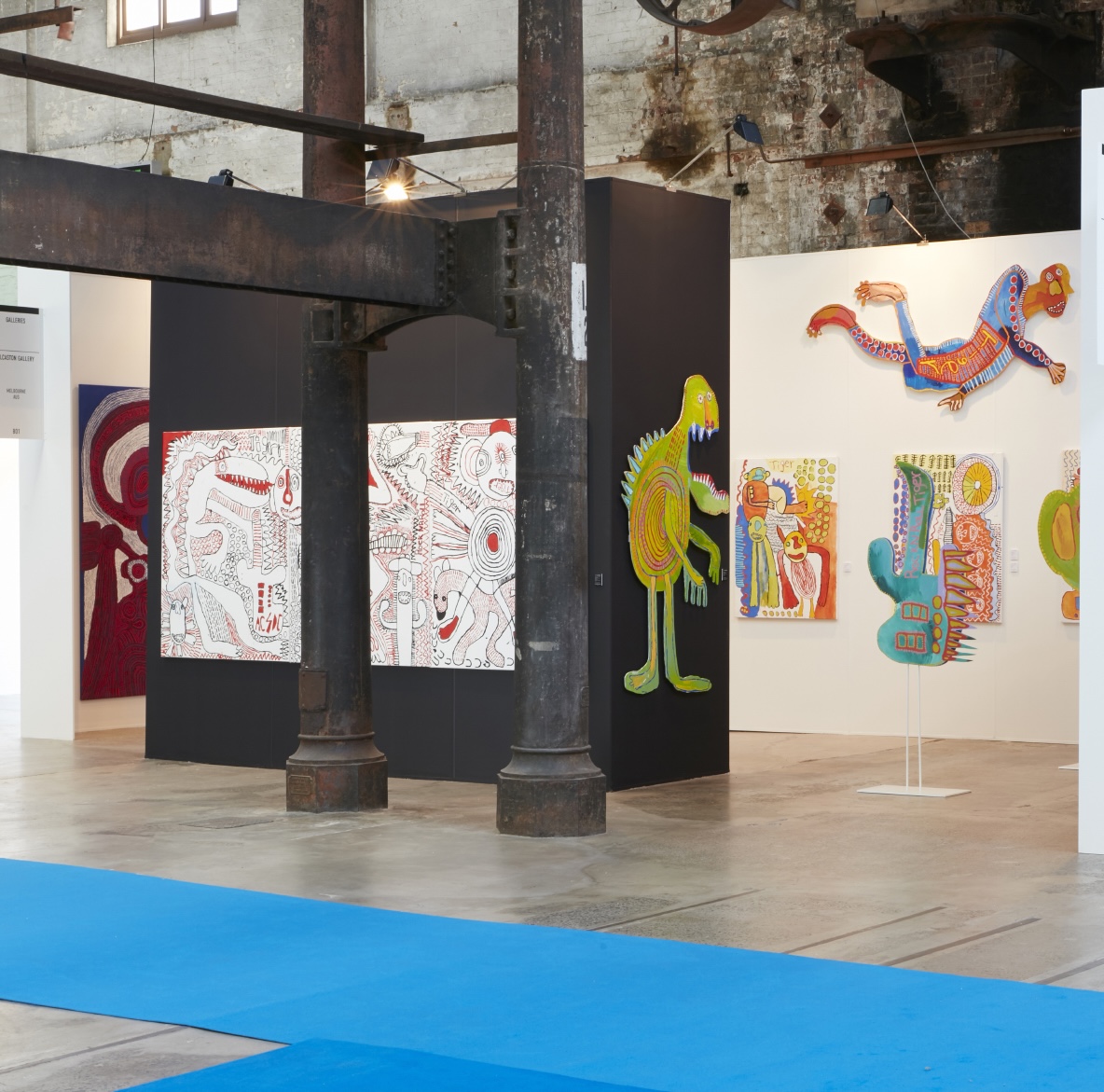
Since the inaugural edition of Sydney Contemporary in 2013, Alcaston Gallery has been a constant presence, championing some of Australia’s most significant Aboriginal and Torres Strait Islander artists while helping to shape conversations around contemporary art collecting. Over the past decade, the gallery has witnessed profound shifts in the recognition and reception of First Nations art, both within the Fair and across the global art market. As Sydney Contemporary celebrates its 10th edition, Alcaston Gallery director Beverly Knight reflects on the power of in-person connection, the evolution of its presentations, and the moments that have defined its journey through a decade of the fair.
_______
Alcaston Gallery has been at every edition since 2013 – what keeps pulling you back each year?
We consider Sydney Contemporary to be a world class art fair; in a world now dominated by the ‘virtual’, personal, real-life contact, interaction and engagement is everything, so the four art fair days in Sydney has become among the most important in the year for our artists!
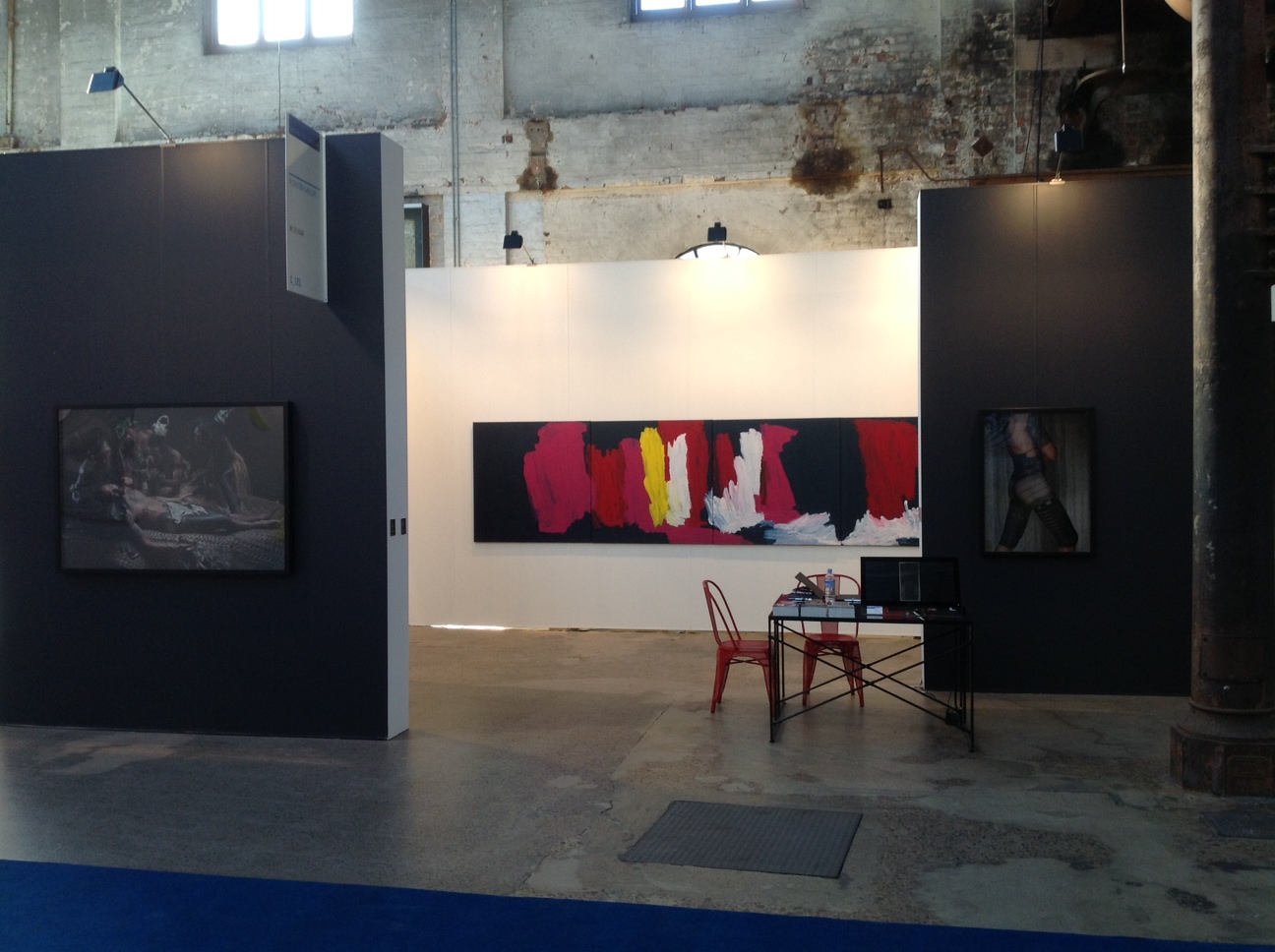
Alcaston Gallery, Sydney Contemporary 2013, Carriageworks
Looking back across all ten editions, how has your presentation evolved, in terms of artists, scale, or curatorial focus, while staying true to the gallery’s mission?
Initially having the same stand location each year really assisted us to look to artists and plan our stand design to achieve the strongest presentation. Changes made by Sydney Contemporary to our much-loved stand position, due to covid restrictions and now again in 2026, we have had to continually reinvent our stand designs for our artists to ensure that we present their work in the best possible way.
Since 2013, how have you seen the visibility and reception of Aboriginal and Torres Strait Islander art shift within the art fair context?
At first, it was a huge challenge being the only commercial gallery exhibiting First Nations Australian artists, as well as Pacific artists including Dean Smith, Greg Semu and Angela Tiatia. We looked to the marketing aspect for the artists to huge numbers of visitors especially institutional and savvy collectors particularly those interested in a wider view of great art. The enduring art of Sally Gabori has been exhibited at every fair, and now with a worldwide dedicated clientele, collectors who fly in from across the globe to see us and the major works by Sally Gabori reserved for Sydney Contemporary!
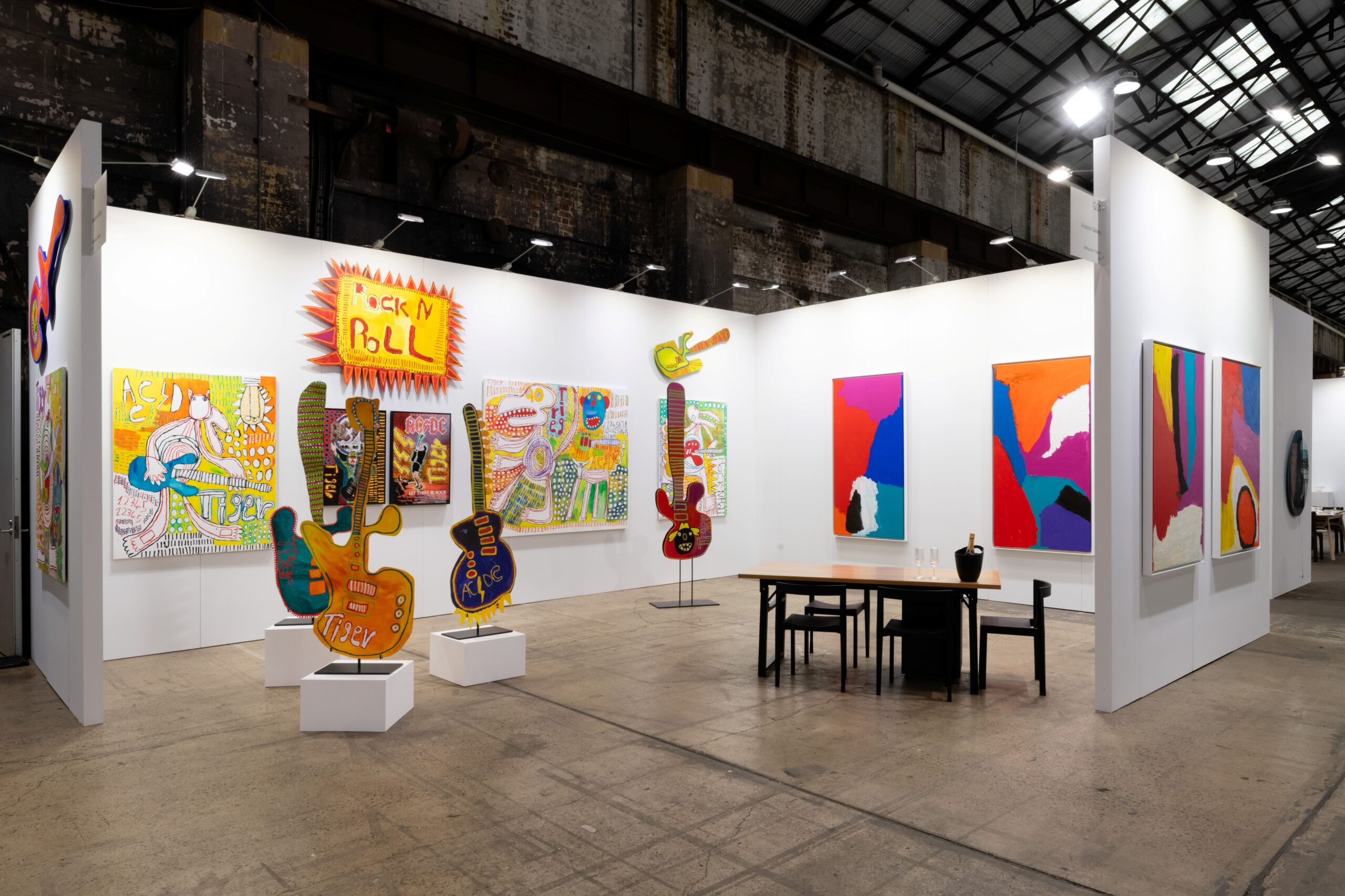
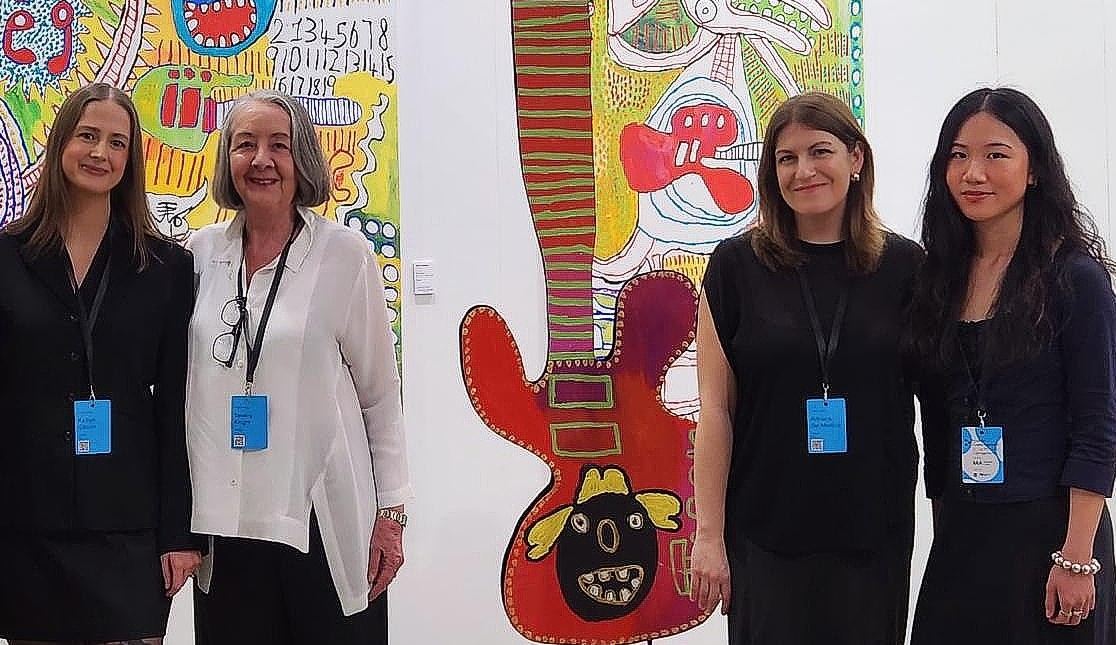
Alcaston Gallery, Sydney Contemporary 2025, Carriageworks.
Are there particular moments across the Fair’s history – a booth presentation, an artist breakthrough, or a collector interaction – that stand out as milestones for Alcaston Gallery?
In 2015, we received a call on VIP day from an unknown art lover from the United Arab Emirates about the major 4.5m Sally Gabori painting presented on our stand, requesting if we could hold it until they catch a flight to view the work at Sydney Contemporary first thing on Saturday morning. We obliged, and the client loved it – and a record price was achieved for the artist.
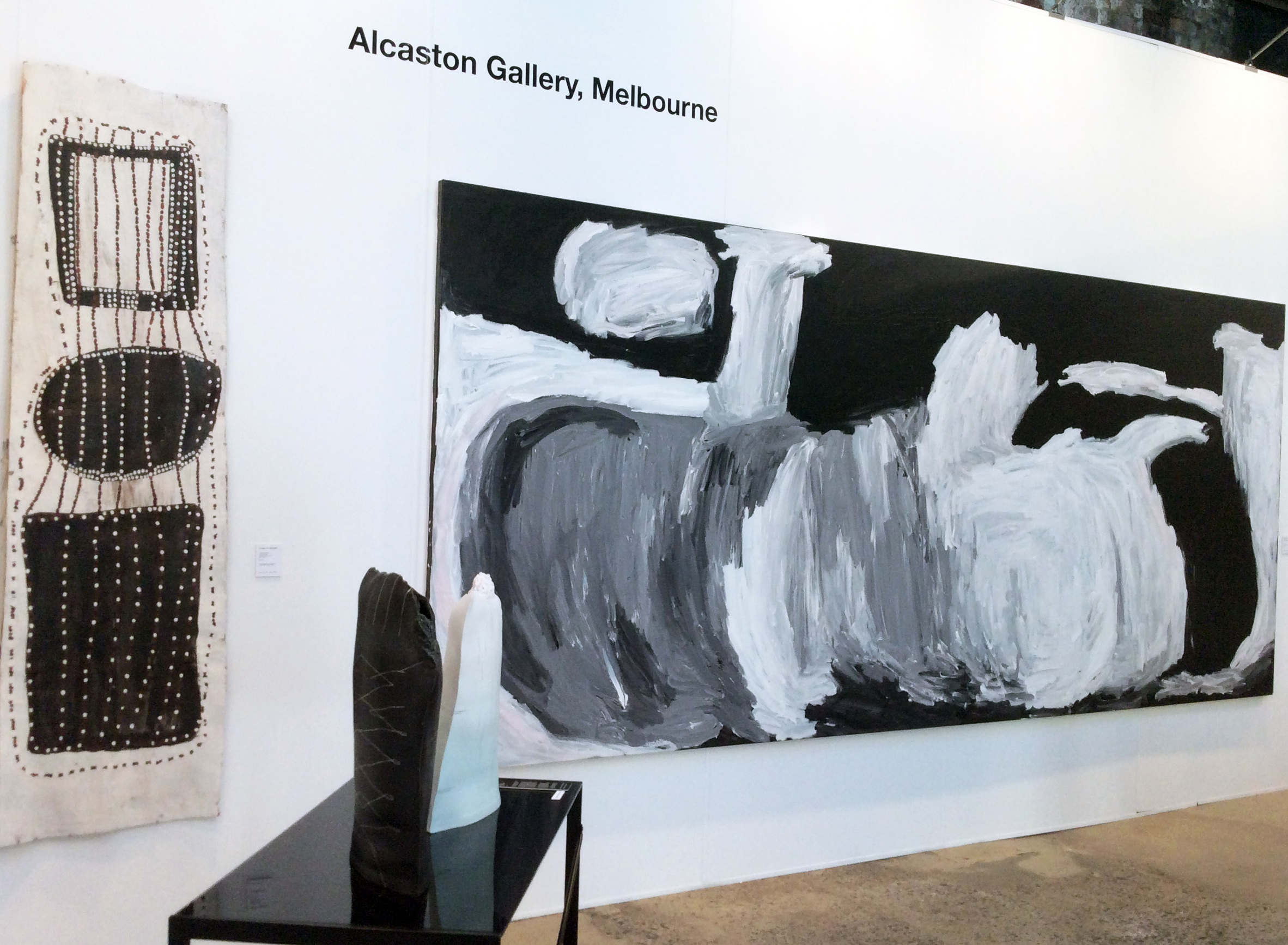
Major work by Sally Gabori at Alcaston Gallery’s booth at Sydney Contemporary 2015.
As Sydney Contemporary marks its 10th edition, what feels most significant to you about being part of its entire journey so far?
The enthusiasm shown by Alcaston Gallery staff and artists, combined with the highly anticipated annual catch-ups with Sydney clients and art lovers, has always been a recipe for success. Like New York art collectors, Sydney-siders love a party; but they know what they like and make decisions on the spot, pay and we deliver.