
Sydney Contemporary returns to Carriageworks from 3 – 6 September.
Photographer, artist, and editor Kitty Callaghan shares her top Sydney picks. From secret gardens and top swimming spots to must-see exhibitions, she has your guide to the city covered.
To Kitty, Sydney is a deeply nostalgic city steeped in history, defined just as much by its dramatic coastal inclines as the rich tapestry of cultures stretching west to the Blue Mountains. It’s a place where the past feels constantly present, making it a global bucket-list destination that is entirely worth the journey.
What makes Sydney stand out as a cultural destination?
Sydney feels nostalgic, in my opinion, both to those who have spent their lives here and those who visit. People have been living and working on this land for tens of thousands of years. There is a certain reminiscence here that feels apparent, particularly in summer – even if you are only just getting to know it. Something I love most about our city is its hills and inclines so close to the ocean. Along the coastline, there is so much to do and see all in a relatively small area, steeped in history. The city sprawls far west to the foothills of the Blue Mountains – there is such a rich tapestry of stories, cultures and communities within it that make ours a global pick on the bucket list. It is worth the journey.
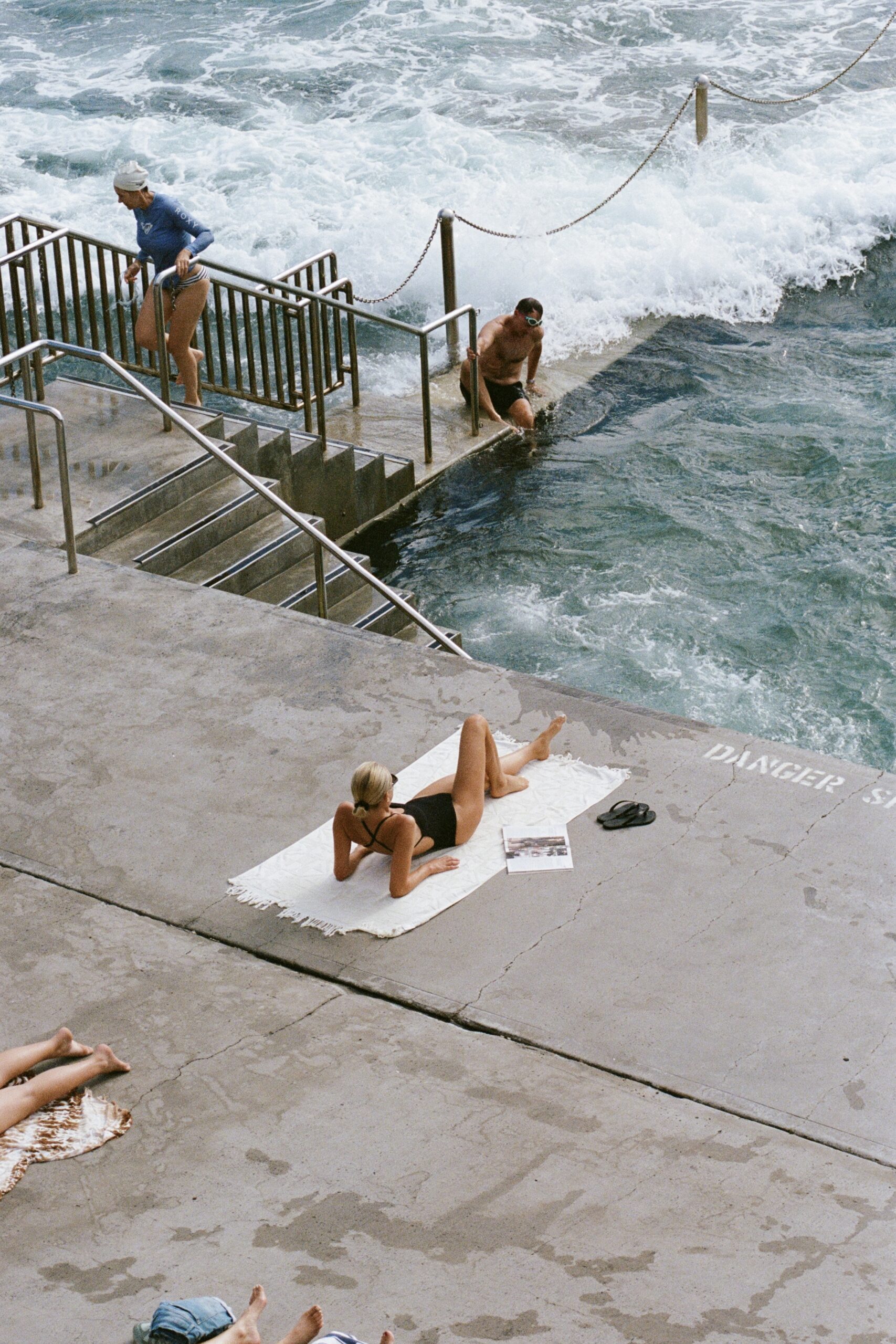
If you have friends visiting from outside of town, what are you adding to their itinerary?
If it’s during Autumn or the tail end of Winter, I would say getting on a ferry or even a whale watch boat – they come so close to our shores during migration season, and seeing the harbour and going through the heads gives the visual perspective you need. You’d have to have a swim at Wylies, year round that’s a must. If you want to do some shopping, stop by P Johnson Femme and Lucy Folk.

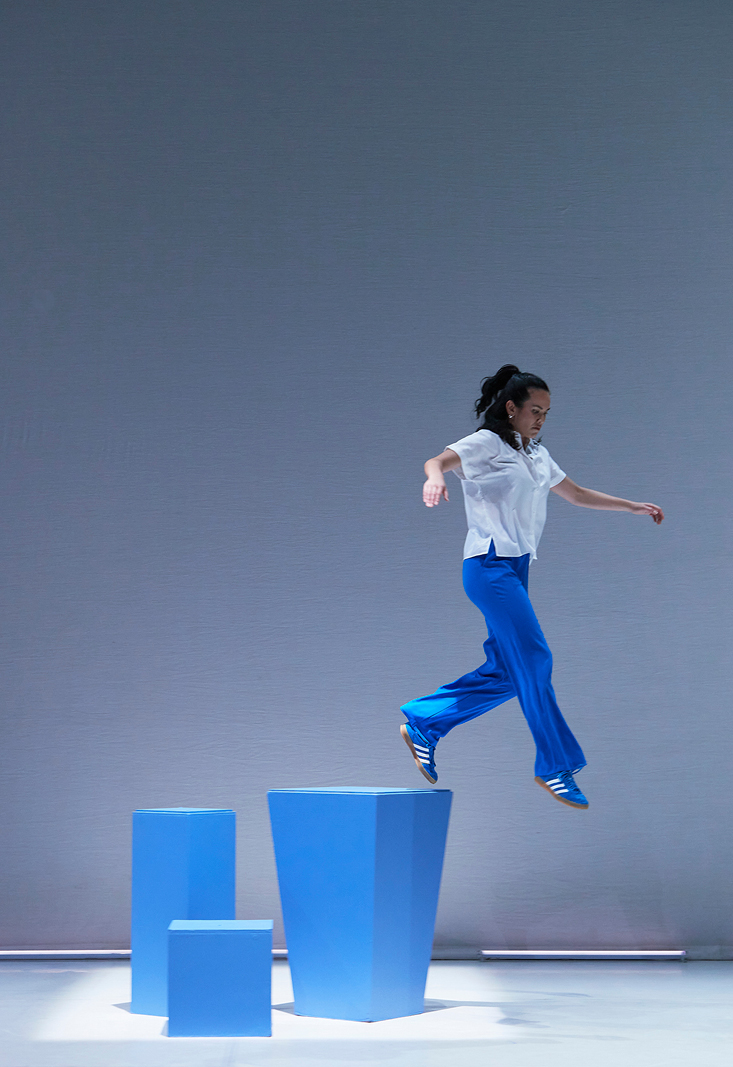
Amrita Hepi, Rinse
What cultural events or exhibitions coincide with Sydney Contemporary that you recommend?
Getting to the Art Gallery of NSW should be on your list – my pick in September would be the Billy Bain exhibition. Amrita Hepi will be performing Rinse at the Sydney Opera House on September 10 – 12. I was lucky enough to see this one woman show before she took it international. It weaves together autobiographical anecdotes on art, feminism and desire. There will be a group show of painting, textiles and sculpture opening at China Heights Gallery, featuring artists like Benedict Dos Remedios and Midori Goto. If you wanted to cap off your Sydney Contemporary week with music, Happy Mondays at The Enmore Theatre would be perfect on September 5.

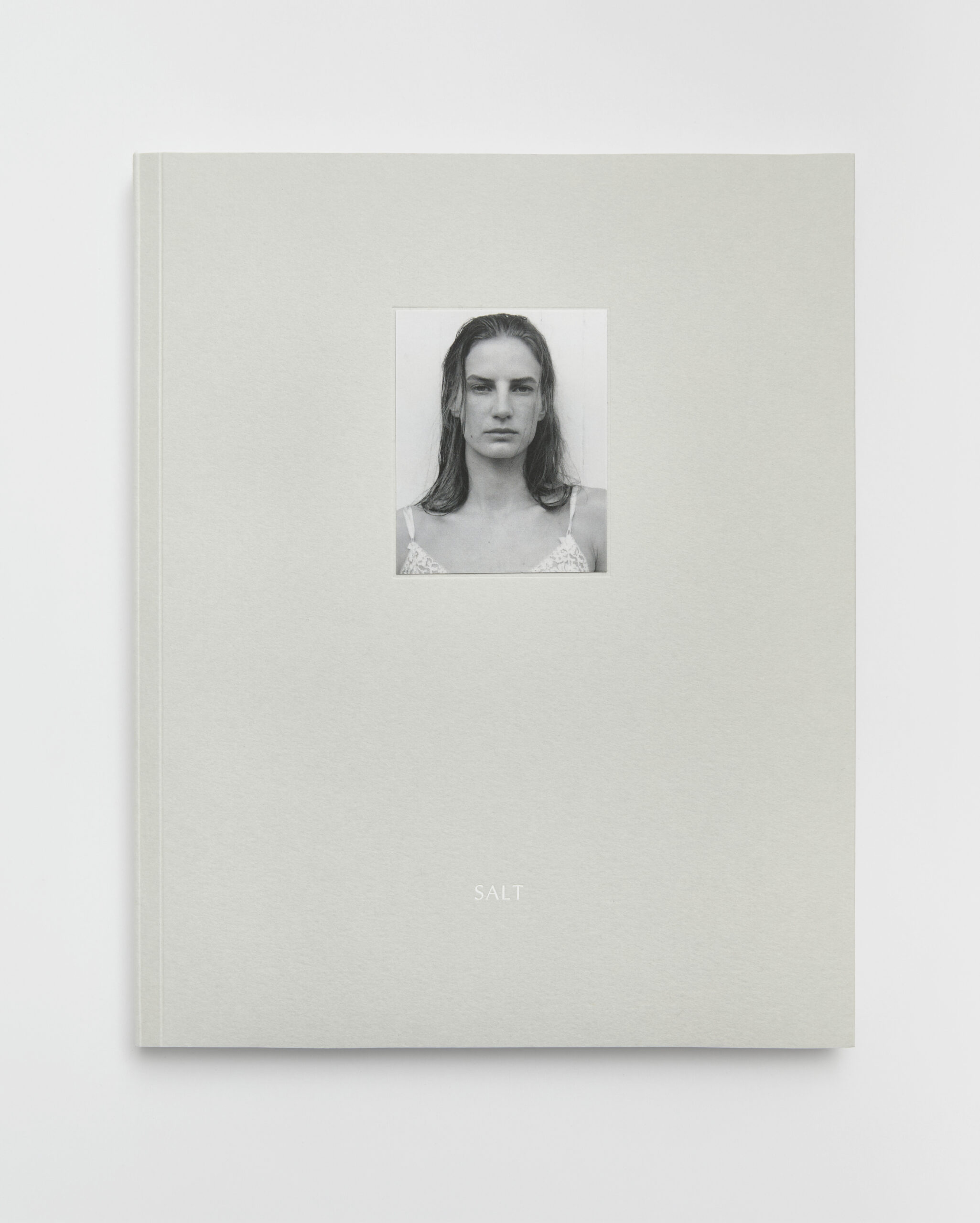
Salt, by Sophie Brockwell and Rosie Dalton
What are some places, people or experiences in Sydney currently inspiring you?
Although I am yet to spend some proper time there, I am always drawn to the ceramics coming out of Ryan Der’s Tamarama studio, from artists like himself and Ria Desiree. I love anything that Mass Practice work on, and recently went to the launch of Salt, a photographic book by Sophie Brockwell with poetry and prose by Rosie Dalton. And in terms of people, visiting Kien Situ’s studio before his residency recently concluded at Artspace Sydney had me feeling very inspired, both by his practice and him as a person.

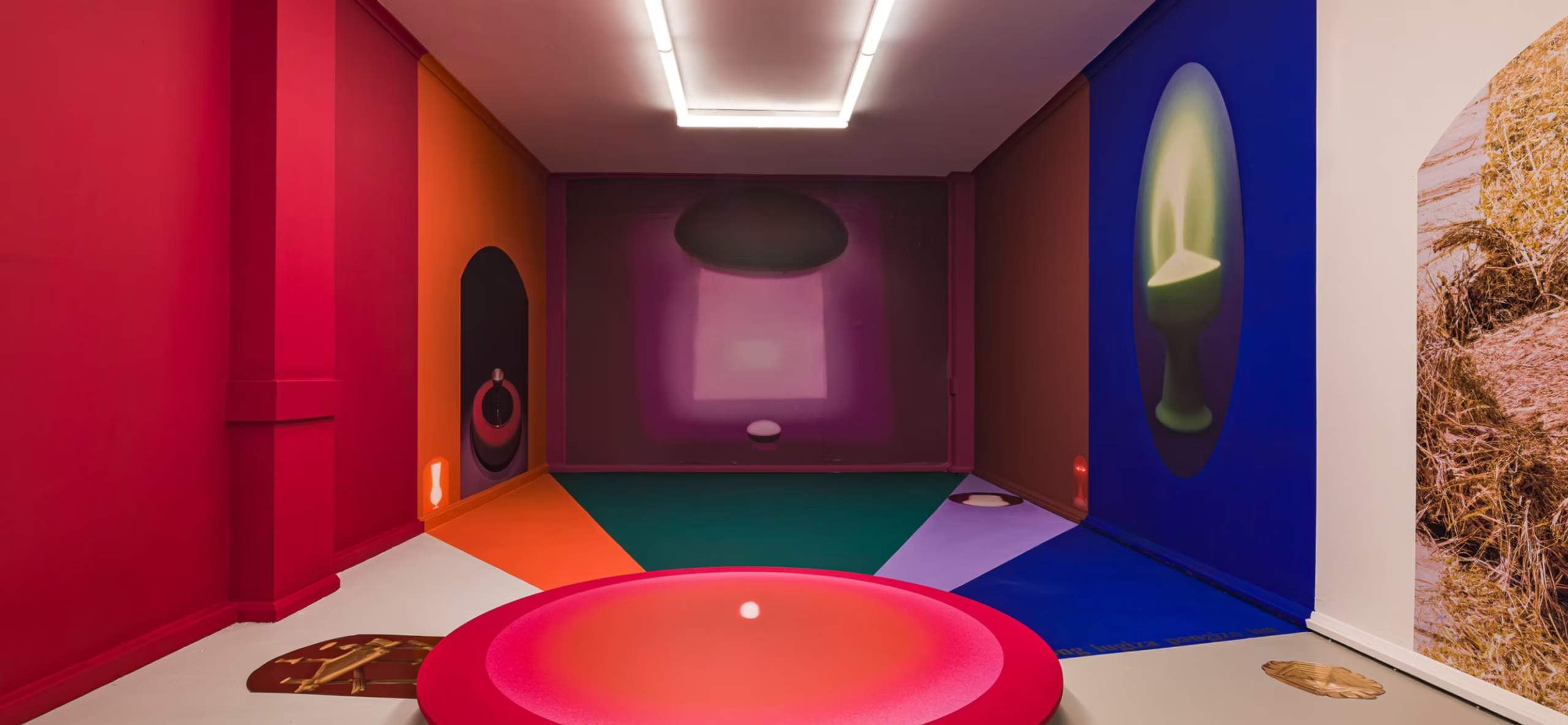
Anna Pogossova, …the call from within things, Passage Gallery. Photo: Campbell Henderson, courtesy Passage Gallery
Do you have a favourite public art installation or mural in the city? What makes it special?
I’m not sure that it would be classified as a public art installation, but something I love about Passage Gallery in Chinatown, is that you can visit at any hour of the day and look. When I have worked late nights and wandered past, I love seeing the glow of the window from the street, I will usually make my way up the escalators. My favourite way to see a body of work is on my own when there is a quiet in the air. They have had amazing installations on show over the years – recently Anna Pogossova and Patricia Piccinini were favourites.

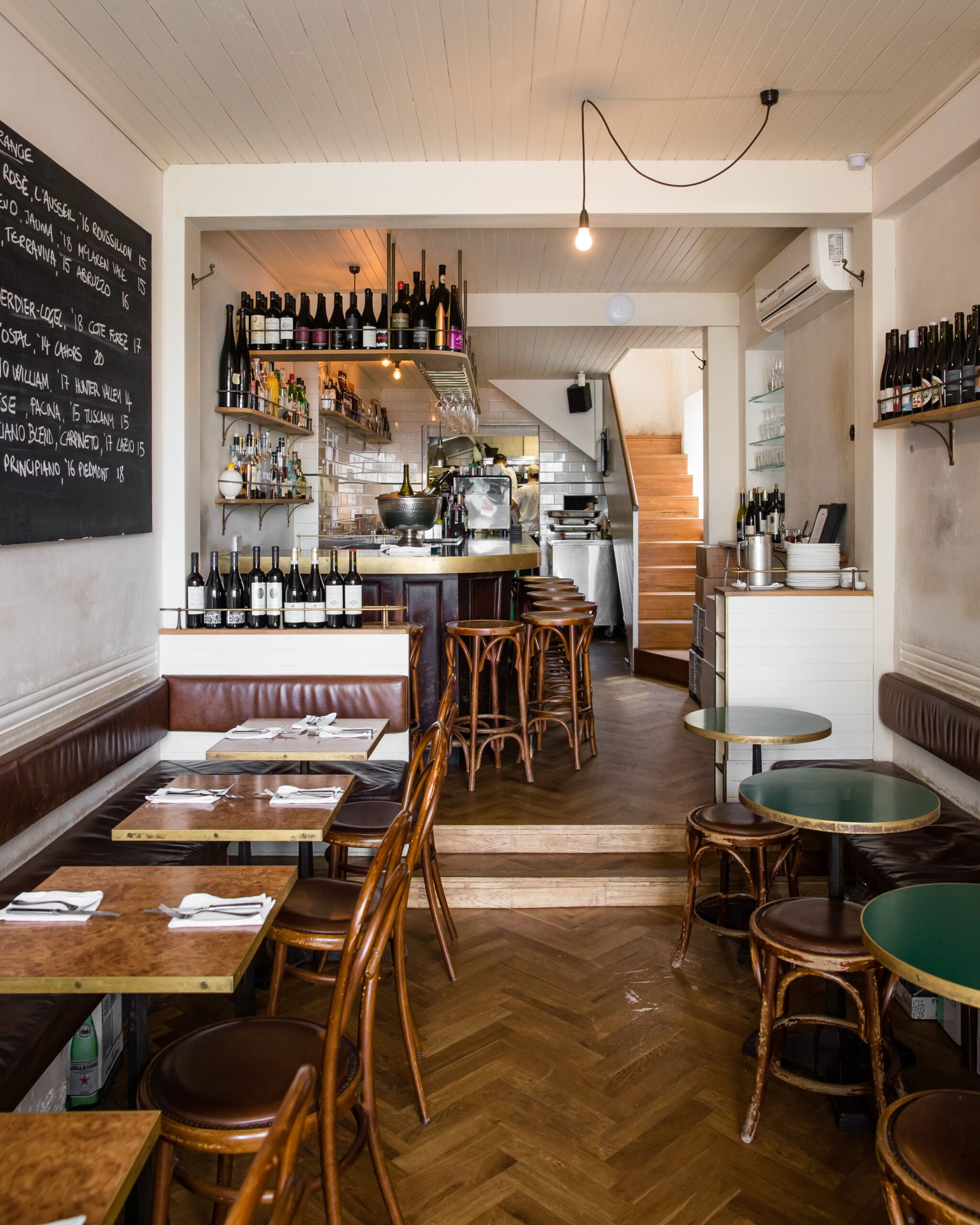
10 William Street
After a day of exploring Sydney Contemporary, where would you go for dinner and drinks to continue the evening?
If you want to be nourished both by food and energy, I would say go to 10 William Street for dinner.
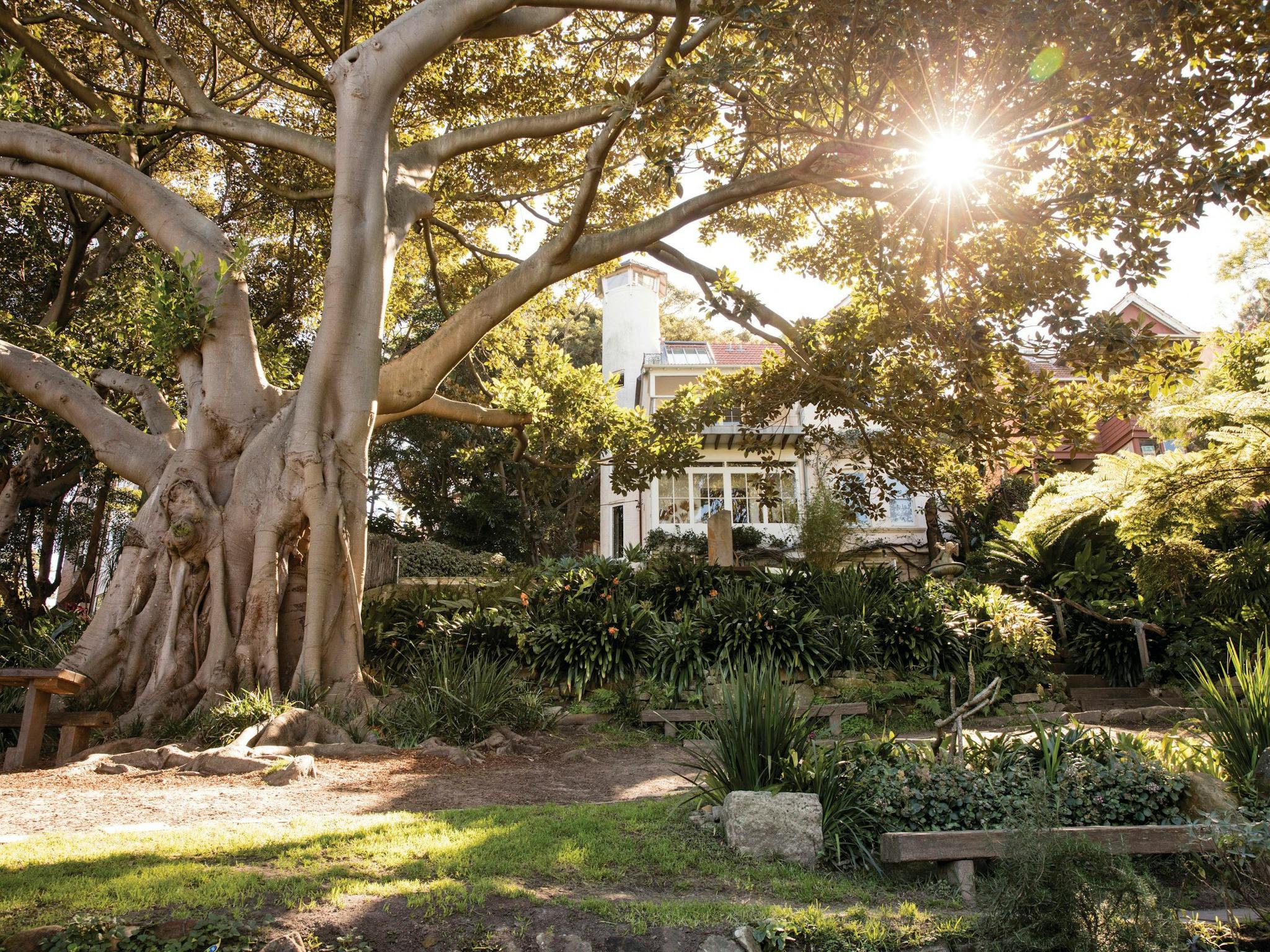
A hidden gem?
My mum always took me to Wendy Whitely’s Secret Garden in Lavender Bay growing up, and it holds a special place in my heart. You can sit and take in the best view of the city, all the while feeling a million miles away from it. The love and care that Wendy and her gardener Corrado have put into that space is special, we are so lucky to have it.
Driven by an evolving dialogue between design and science, architect Stephen Jolson and his wife Lisa approach contemporary art not as a pursuit of mere acquisition, but as a living record of their shared human experience. For them, a true collection is an authentic portrait of a life lived where art does not merely decorate architecture, but actively asserts its own presence to challenge, shift, and deepen the spaces it inhabits.
Ahead of Sydney Contemporary, we spoke with Stephen about the milestones that shaped his family’s collecting journey, how designing cultural landmarks like Point Leo Estate reframed his view of art as a legacy of stewardship, and why the Fair remains a vital annual nexus for creative connection and community.
Portrait: Stephen Jolson and Caleb Shea Sculpture

Ben Quilty, Rorshach After Johnstone, 2011. Purchased from Jan Murphy Gallery.
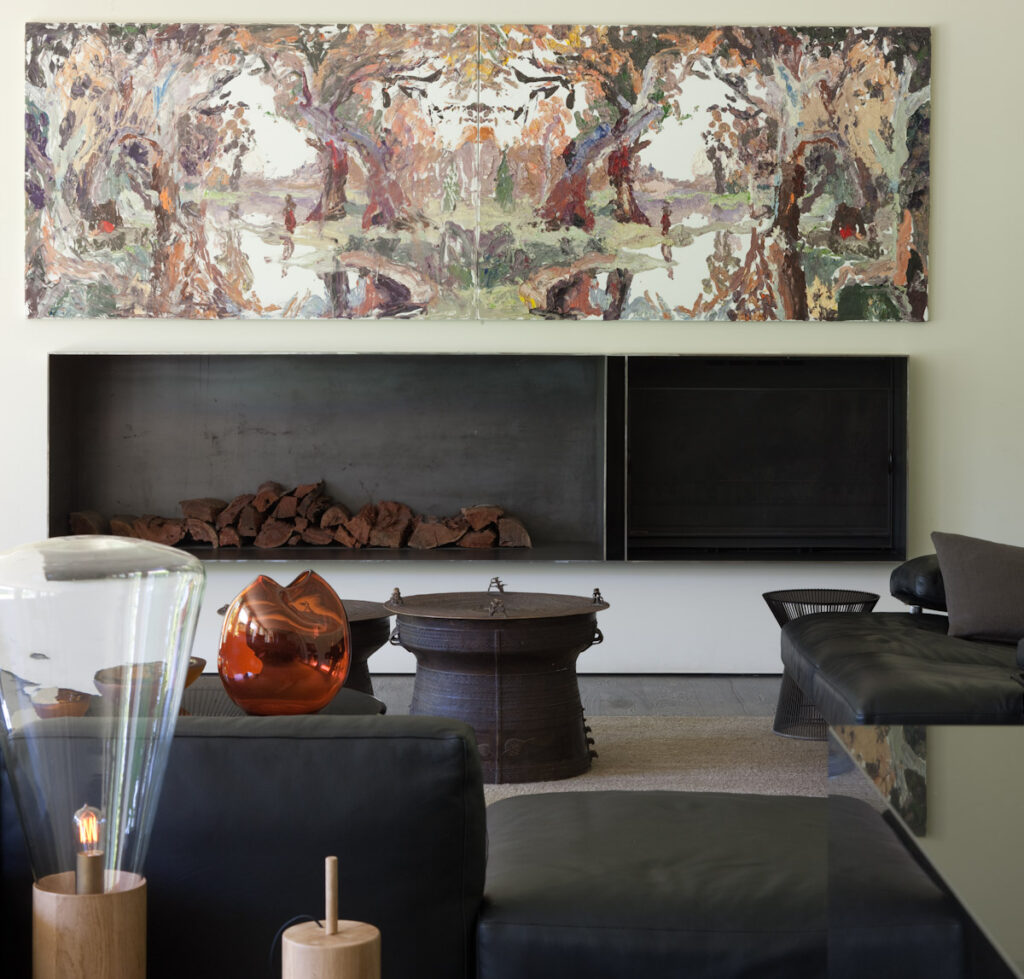
What first sparked your interest in collecting contemporary art?
Looking back, I don’t think my interest in collecting began with art itself. It began with curiosity. Lisa and I built our first home early in our relationship over 20 years ago. The walls were largely blank, not because we wanted them to be, but because we simply couldn’t afford the works we admired. Over time those walls slowly filled. Looking back now, I don’t really see a collection of artworks. I see a chronology of our lives. Every acquisition marks a friendship, a journey, a celebration, a loss or a conversation that moved us, challenged us or simply made us react.
Architecture naturally led me towards art. It taught me that before we can cast our eyes forward, we first need to look backwards. History, landscape, culture and the rituals of life all become part of the design process. Architecture is not an imposition upon place. At its best, it is an act of response. Art asks many of those same questions through a different medium.
Travel reinforced those lessons. Experiencing different cultures heightened my awareness of light, texture, materiality and the local vernacular. I came to appreciate that architecture, painting, music, landscape, food and the objects we live with are all different ways in which people interpret and respond to their surroundings. Together they deepen our understanding of the human experience.
Collecting has never really been about ownership. It has been about curiosity, engagement and learning to see.
When encountering a new work, what qualities or ideas tend to draw you in?
Like architecture, I am drawn to work that makes me stop and think.
The strongest works don’t always reveal themselves immediately. They ask something of you. They provoke a reaction, invite reflection or continue to unfold over time. I’m interested in artists who have developed an authentic language of their own, where process, material and idea become inseparable. You are not simply engaging with an object, but with years of thinking, questioning and making.
One of the most memorable experiences of my career began with an unexpected phone call from a tour guide with clients from Mumbai. He had taken them to visit Point Leo Estate, and upon arrival, they wanted to meet the architect. Within an hour they were in my office, and what began as a spontaneous conversation ultimately became an invitation to design a non-denominational temple within the UNESCO World Heritage landscape of Hampi in India.
What has stayed with me wasn’t simply the commission itself. It was the reminder that architecture and art share something fundamental. Both have the capacity to create an immediate emotional response before a single word is spoken. That instinctive human reaction is something I continue to look for whenever I encounter a work of art.
I’m not necessarily looking for beauty in the conventional sense. Beauty, for me, is something that invites deeper engagement. Some of the works I value most have challenged my assumptions, changed the way I think or simply stayed with me long after I first encountered them.

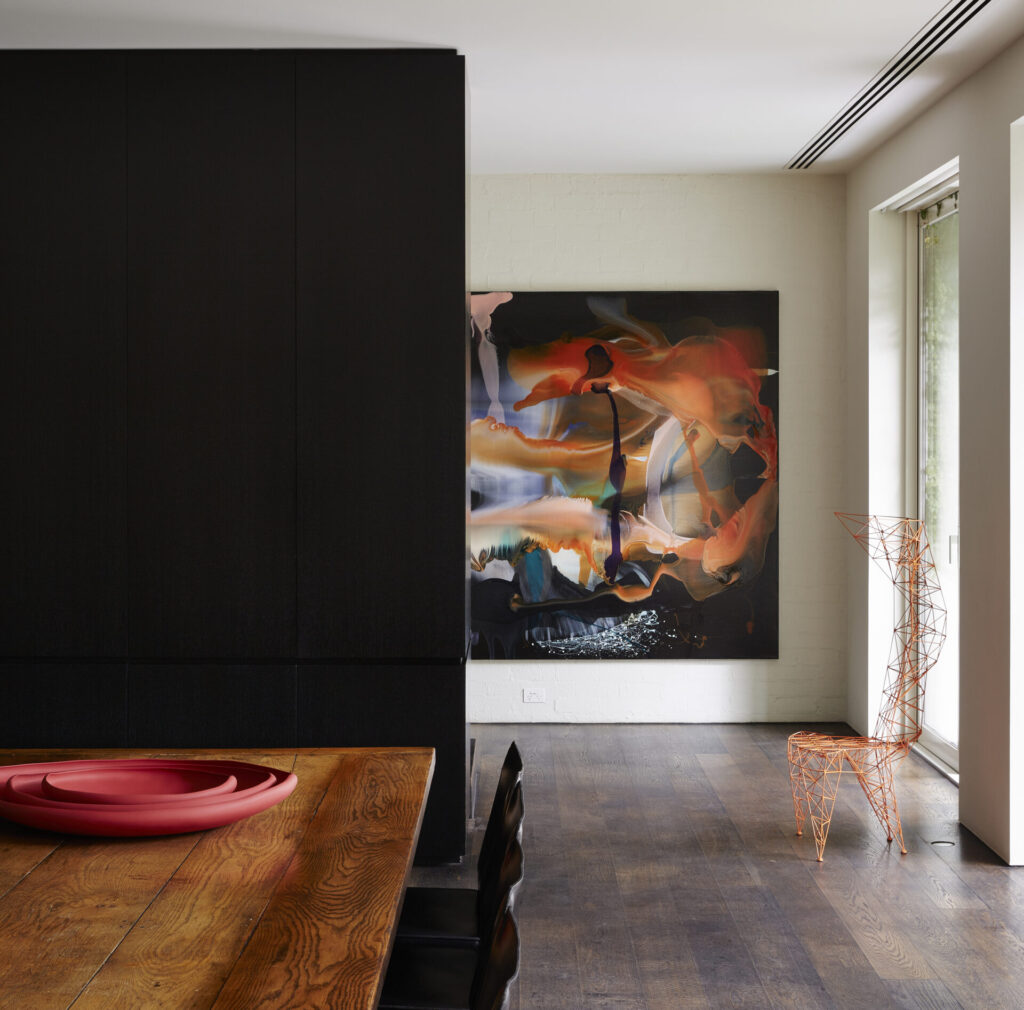
Dale Frank, Creative Guilt Beth Din and Flem Embroidered Words, 2008
Has your approach to collecting evolved over time? If so, how?
Completely.
When Lisa and I first began collecting, our decisions were largely instinctive. Over time they became conversations. Lisa approaches the world through science and medicine. I approach it through design and the built form. Those different ways of seeing have quietly shaped every acquisition and, in hindsight, made our collection stronger.
One of my favourite stories involves Robert Owen. I visited his studio and was immediately taken with Spectrum Shift 4. I bought it impulsively. The challenge was not simply how I was going to pay for the acquisition. It was finding the courage to tell Lisa that I had made the decision without her. From the beginning, collecting had always been something we shared. The gallery kindly agreed to store the work (or quietly hide it) while I paid it off. It remained there for almost ten years, not because Lisa objected to it, but because I never quite found the right moment to tell her. Today it hangs in our entrance hall and reminds me that the most enduring acquisitions are rarely those driven by impulse alone. Their meaning deepens through conversation, patience and ultimately a shared conviction.
Another defining moment came through Dale Frank. Anna Schwartz encouraged us to live with one of Dale’s extraordinary monochrome works. I loved its restraint and the way it echoed the simplicity of our interior. Lisa quietly observed that it felt too comfortable, that it was agreeing with the interior rather than creating its own space. Anna later introduced us to Creative Guilt Beth Din and Flem Embroidered Words, a work that was layered, complex and full of movement. Looking back, Lisa was absolutely right. That experience fundamentally changed the way I think about the relationship between art and architecture. Art has the power to assert its own presence within a space. It shouldn’t simply reinforce the architecture, otherwise it risks becoming decorative.
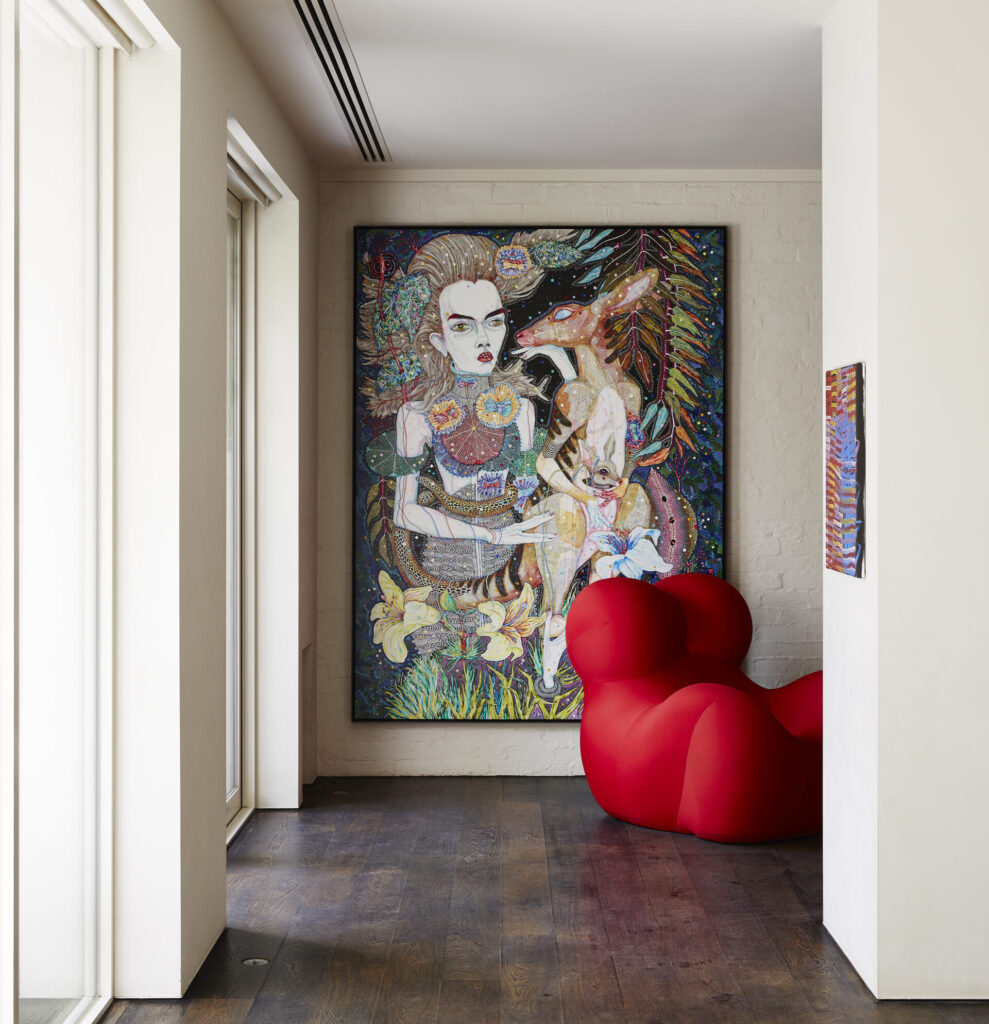
Del Kathryn Barton taught us another important lesson. When Roslyn Oxley first offered us one of Del’s works, my instinct was to say yes immediately. We had admired her practice for years and knew how fortunate we were simply to have been offered the opportunity. Lisa’s hesitation wasn’t about Del’s work, but about living every day with the confronting subject matter while our boys were still young. It changed the conversation completely. Rather than asking whether we should acquire an important work, we began asking whether it belonged in our lives. Roslyn generously introduced us to another work, What I Am Also, which we immediately connected with. It entered our collection during the week my father passed away and has become inseparable from that chapter of our family’s story.
Looking back now, I realise our collection is less about individual artworks than the life that surrounds them.

Del Kathryn Barton, What I Am Also, 2013
What role does living with artworks play in your everyday life?
Living with art has become a way of living with memory.
Every work in our home carries a story. Some remind us of travel, others celebrate the birth of our children, milestone birthdays or enduring friendships with artists and gallerists. Others hold much more personal memories, including periods of loss. The artwork itself never changes, but our relationship with it continues to evolve. Over time the collection has become a chronology of our lives. Looking around our home, I don’t simply see paintings and sculpture. I see twenty years of our lives reflected.
I’ve also become increasingly interested in living with the creative voices of our own generation. Contemporary art is, by its very nature, a commentary on the world in which it is made. It reflects the cultural, political and social questions of our time. Choosing to live with those works means engaging with those ideas every day. The same philosophy extends beyond art. Our home has gradually become a collection of contemporary architecture, furniture and lighting. Together they form a richer conversation about the time in which we live.
Spending meaningful time with artists has also made me a better architect. Visiting studios, understanding process and hearing artists speak about years of experimentation has reinforced the value of patience, restraint and trusting your own voice. Commissioning Lionel Bawden to create Wellsprings of the Spirit for my fortieth birthday remains one of the most meaningful experiences in our collection. Rather than responding to a decorative brief, Lionel responded to conversations about travel, aspiration and the human spirit. Watching an artist transform those ideas into something so deeply personal reinforced that the most meaningful commissions emerge through genuine dialogue.
Perhaps that is what I value most. A meaningful collection is not simply a reflection of personal taste. It becomes a record of a life lived. We are only custodians of these works for a period of time, yet while they are with us they become part of our own story, and perhaps part of the legacy we leave behind.
As architects living closely with art both personally and professionally, how does your approach to collecting differ from more traditional ideas of collecting, and what tends to draw you towards a work?
For me, collecting has never been about acquisition alone. It has always been about curation, relationships and creating a dialogue between art, architecture and the people who live with it. Working as an architect has only reinforced that belief.
Designing Point Leo Estate fundamentally changed my understanding of collecting. Working with John and Pauline Gandel, alongside artists and curators, I came to appreciate collecting as an act of stewardship rather than acquisition. Their vision wasn’t simply to build a remarkable collection, but to create a cultural legacy that could be shared generously with others. That philosophy shaped our architectural response. We conceived the building as a sculptural insertion within the landscape, embracing Inge King’s monumental work at its entrance. The simplicity and clarity of the architectural gesture created a framework through which art, landscape, food, wine and the experience of place could all be considered together as one. It reinforced something that has continued to shape my thinking: the most enduring collections create a legacy, enriching not only the lives of those who create them, but everyone who has the opportunity to engage with them.
That philosophy has continued to shape our residential work. During House of Light, the clients’ own journey into collecting unfolded alongside the architecture. Together we visited Sydney Contemporary, spent time in galleries and met artists including Sally Smart, Alex Seton and Marion Borgelt, and ultimately commissioned Tammy Kanat, who exhibited with Gallery Sally Dan-Cuthbert, to create a significant woven work specifically for the home. Those conversations became every bit as important as discussions about brick, stone or timber. Art was never considered an addition to the project. It became part of the home’s story from the very beginning.
What I have learnt is that designing for a client is very different from collecting for yourself. We can make introductions, ask questions, encourage curiosity and provide confidence, but taste is deeply personal, and art even more so. Every collection should become an authentic reflection of the people who live with it. Some of the greatest satisfaction I’ve experienced has come from watching clients discover an artist who genuinely speaks to them. That’s the moment the collection truly becomes their own.
I’ve never seen art as something separate from architecture. Contemporary artists, architects, furniture designers, lighting designers and landscape architects are all responding to the same moment in history through different mediums. Bringing those creative voices together thoughtfully creates homes that feel connected to their time, while remaining capable of enduring well beyond it.

Ben Quilty, Rorshach After Johnstone, 2011. Purchased from Jan Murphy Gallery.
Sydney Contemporary brings together a wide range of artists and galleries each year. What do you most look forward to discovering at the Fair?
For me, Sydney Contemporary is much more than an art fair. It has become one of the few places where Australia’s creative community comes together. Artists, gallerists, curators, collectors, architects and designers all sharing ideas, conversations and a genuine curiosity about contemporary practice.
I enjoy seeing how artists’ practices evolve over time. There is something incredibly rewarding about watching an artist take a leap, challenge themselves or explore a completely new direction. Those moments often stay with me far longer than any individual acquisition. Equally important are the conversations. Some of the most meaningful relationships in our collection began not with a purchase, but with meeting an artist, visiting a studio or simply spending time talking with a gallerist. Sydney Contemporary creates those opportunities in a way that few other events can.
Carriageworks also plays an important role. It is an extraordinary setting for contemporary art. Its industrial character allows the work to breathe, creating an atmosphere that encourages exploration, discovery and genuine engagement. I always leave inspired, whether I acquire a work or not.
What advice would you give to someone beginning their journey as a collector?
Collect slowly.
Spend more time looking than buying. Visit galleries regularly. Meet artists. Listen to curators. If you’re fortunate enough to visit studios, do so. Travel widely. Immerse yourself in different cultures. Every experience develops your eye and deepens your understanding of the world around you.
Most importantly, trust your own response. Don’t collect because something is fashionable or because someone tells you it is important. Collect because it makes you stop. Because it moves you. Because it continues to occupy your thoughts long after you’ve left the gallery.
Over time you’ll realise that the artwork itself is only part of the story. The relationships you develop with artists and galleries, the places you’ve travelled, the conversations you’ve had and the moments in your own life that become attached to each work are what give a collection its real depth.
Looking back over more than twenty years, I don’t simply see a collection of artworks. I see a collection of friendships, journeys, ideas and experiences that have shaped who we are. A meaningful collection is not simply a reflection of personal taste. It is a portrait of a lifetime spent engaging with the cultural ideas of its time.
Perhaps that is what collecting ultimately becomes. Not an expression of ownership, but a legacy of curiosity, generosity and a life lived with culture at its core.
Sydney Contemporary returns to the Carriageworks from 3 – 6 September.
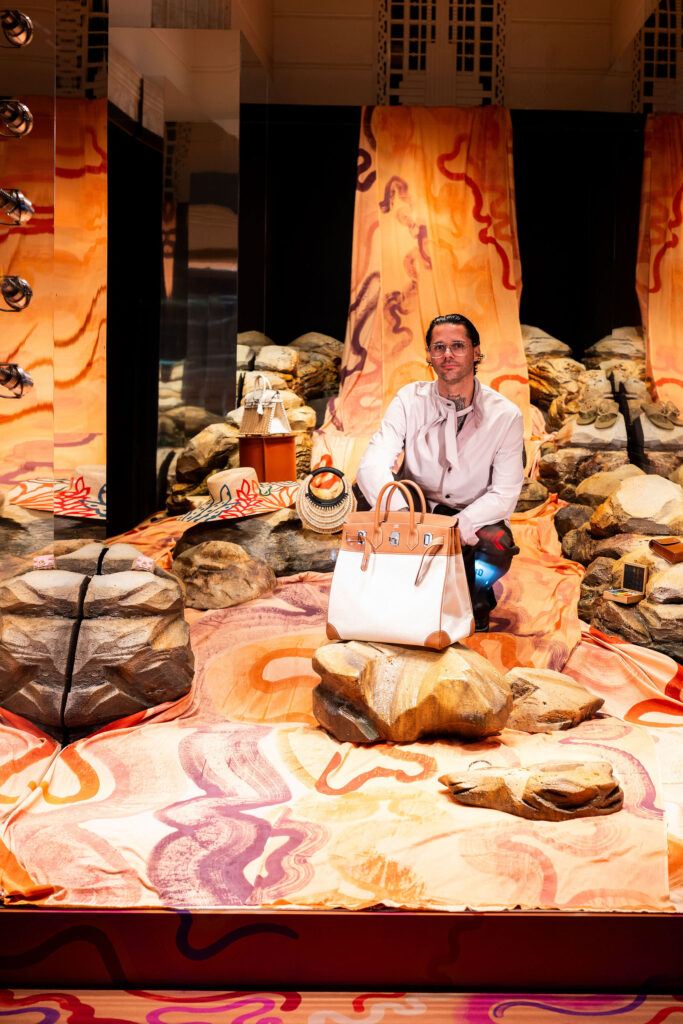
For more than 20 years, China Heights has shaped its own path within the Australian art landscape, championing artists whose practices move effortlessly between contemporary art, design and visual culture. As the gallery prepares to make its Sydney Contemporary debut, we spoke about trusting curatorial instinct, building lasting artist relationships, and why now felt like the right moment to join the Fair.
China Heights has built such a distinctive identity over the past two decades. What has remained constant in your vision since the gallery first opened?
Since our founding in 2004, our core aesthetic has remained consistent. While our artists and exhibitions have naturally evolved, our focus has always been on trusting our curatorial instinct and identifying distinctive, forward-thinking work, well ahead of the curve.
Your artists often sit at the intersection of art, design and visual culture. What draws you to practices that don’t fit neatly into one category?
We view all creative disciplines as interconnected forms of expression. It is important to us that we do not restrict an artist’s vision or confine their practice to a single, traditional category.
China Heights has worked with everyone from luxury brands to major museums and public institutions. Has collaborating across so many different contexts changed the way you think about exhibiting art?
Our approach remains unchanged regardless of the environment. Whether we are working within our own gallery, partnering with a luxury brand, or collaborating with a museum, we apply the same curatorial rigour and commitment to high-level installation. The key realisation for us has been that our core standards and identity travel with us, independent of the context.
When you’re discovering or deciding to represent an artist, what makes you stop and think, “This is someone we need to work with”?
It begins with the initial impact of a truly distinct visual voice. However, formal representation is a long-term commitment built over time. We typically develop these relationships through a series of group exhibitions and collaborative projects, allowing us to cultivate a sustainable, mutual path of growth for both the artist and the gallery.
This is your first time participating in Sydney Contemporary, what led you to decide this was the right time for China Heights?
We have watched Sydney Contemporary develop into a premier fixture of the Australian art market. With our current programme and artists operating at a peak creative moment, the timing felt ideal. While we maintain a very deliberate strategy regarding our market presence, we felt this was the right opportunity to present our stable to a broader audience.
What excites you most about the contemporary Australian art scene right now, and where do you see it heading over the next few years?
The expanding engagement from a broader public is incredibly encouraging. We have always advocated for galleries to be accessible, welcoming spaces. Over the next few years, we anticipate this growing audience will deepen their relationship with the arts, looking beyond individual exhibitions to more meaningfully engage with an artist’s long-term practice.
Why do events like Sydney Contemporary matter to the city and to Australasia at large?
Sydney Contemporary serves as a vital focal point for the region. It creates a rare and important opportunity for galleries, artists, and collectors to connect, exchange ideas, and collectively drive the momentum of the contemporary art scene forward.
Sydney Contemporary returns to Carriageworks from 3 – 6 September.
chinaheights.com
@chinaheights
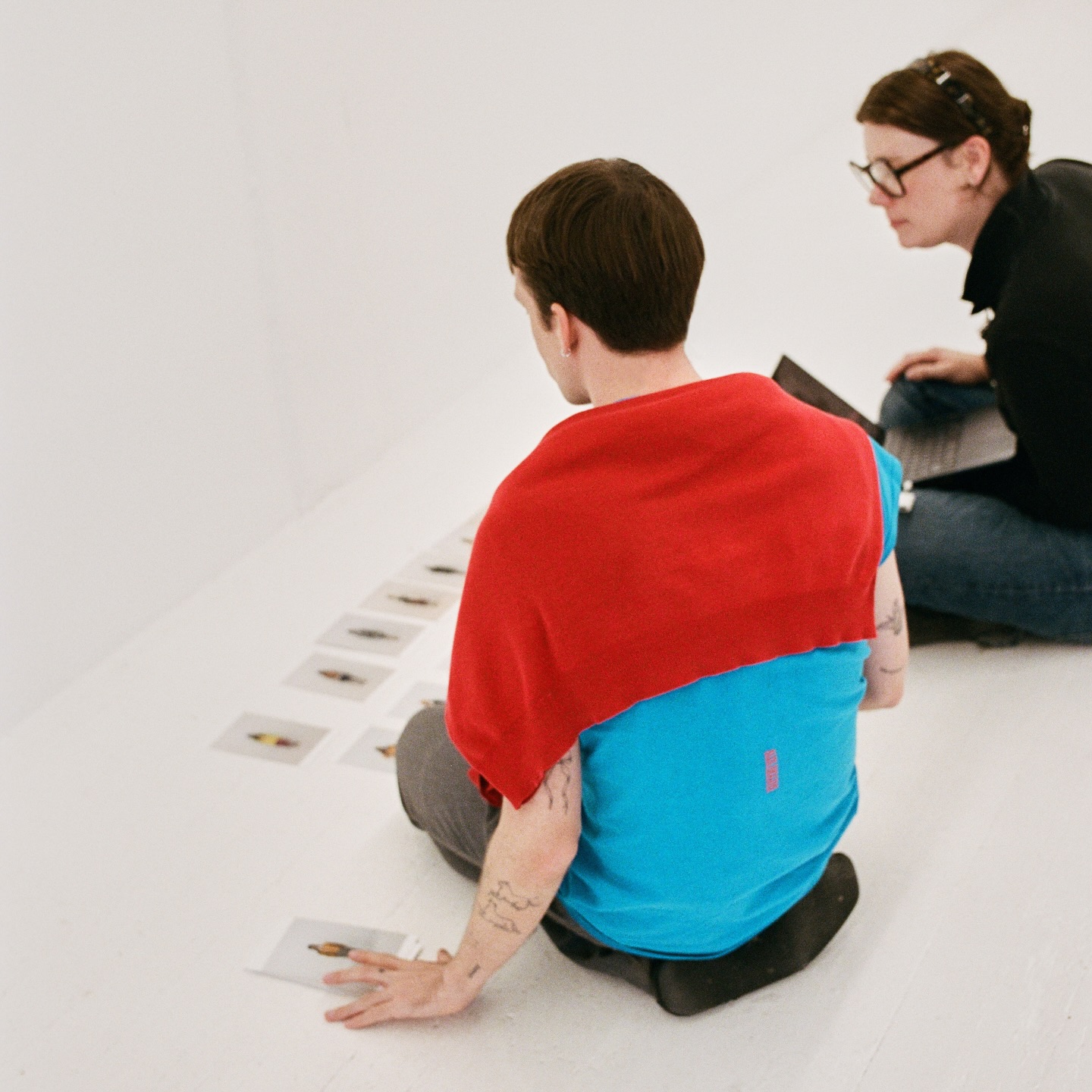
We caught up with designer Alix Higgins on his top picks of Sydney. Higgins’ practice is shaped by emotion, digital nostalgia, and a unique translation of poetry into wearable fabric armour.
In our conversation, he speaks about fashion as an intuitive form of storytelling, the constant tension between internet culture and physical wearability, and how he relies on his close-knit community of creative muses to keep his distinct, whimsical voice entirely untouched.
___
What makes Sydney stand out as a cultural destination?
Sydney is special because it’s so many different things. It’s glamour, nature, near and far. To my friends and I, it’s past its heyday but we live in hope and I suppose there is potential in that too.
If you have friends visiting from outside of town, what are you adding to their itinerary?
The south coast is really beautiful.

Edward Woodley, ECLIPSE, 2026. courtesy China Heights.
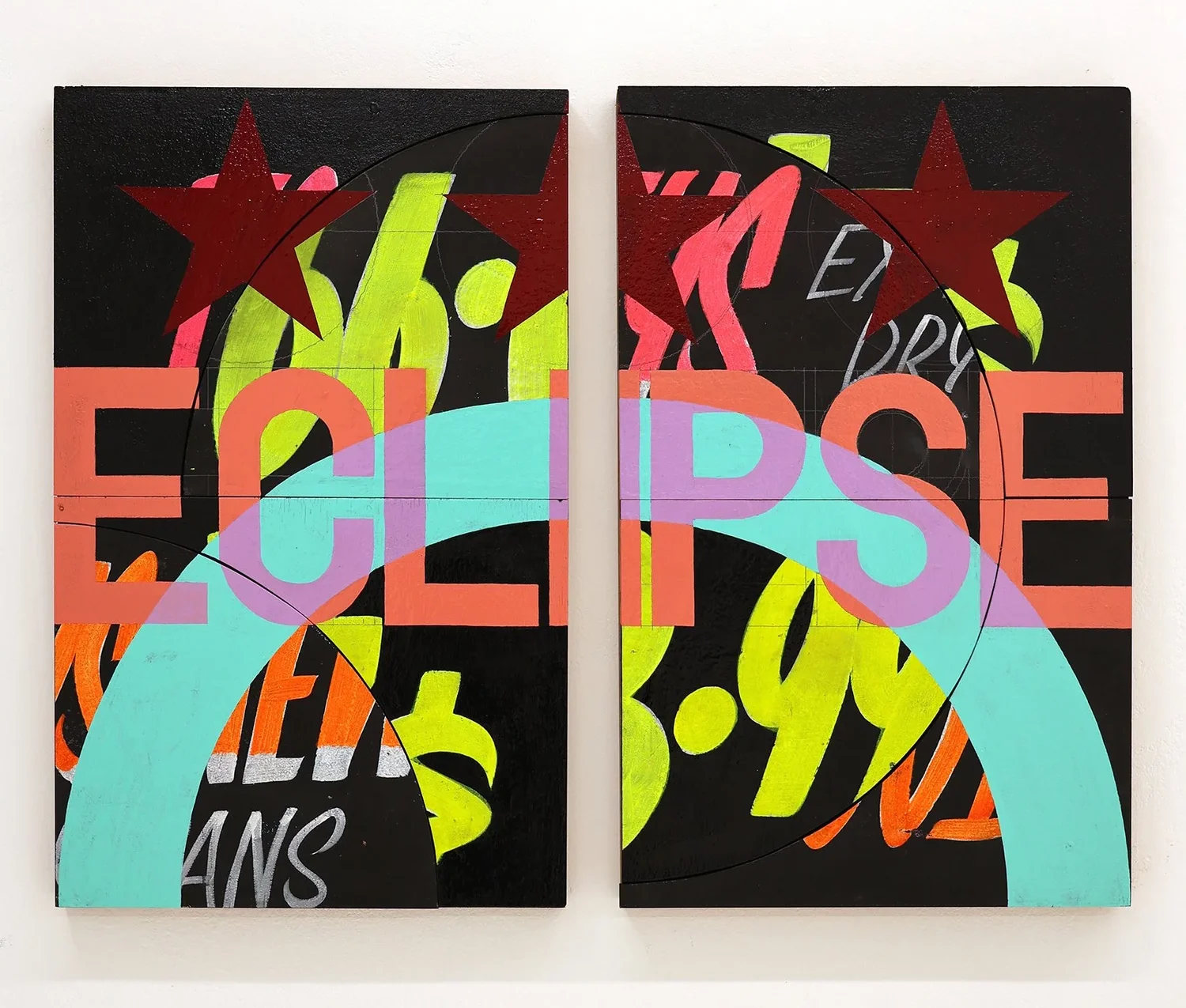
What cultural events or exhibitions coincide with Sydney Contemporary that you recommend?
China Heights always have something interesting showing. Right now Edward Woodley’s show ‘ONSITE’ is great. In September there’s a group show curated by Yang Zhi.

Laila, Marrickville
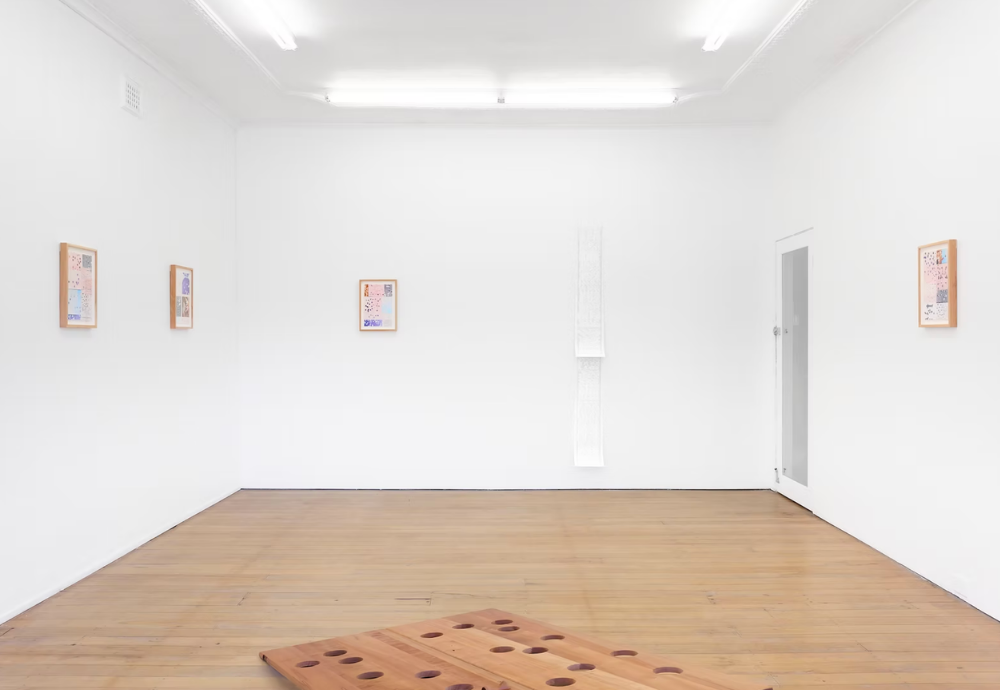
What are some places, people or experiences in Sydney currently inspiring you?
Neil Beedie has a beautiful show currently at Solvent. I also like NASHA, Laila, Numbers. Season has wonderful programming. I recently saw a talk ‘Young Almond’ by Lukas Kalos there that was inspired.

Jenny Holzer, I STAY (Ngaya ngalawa)
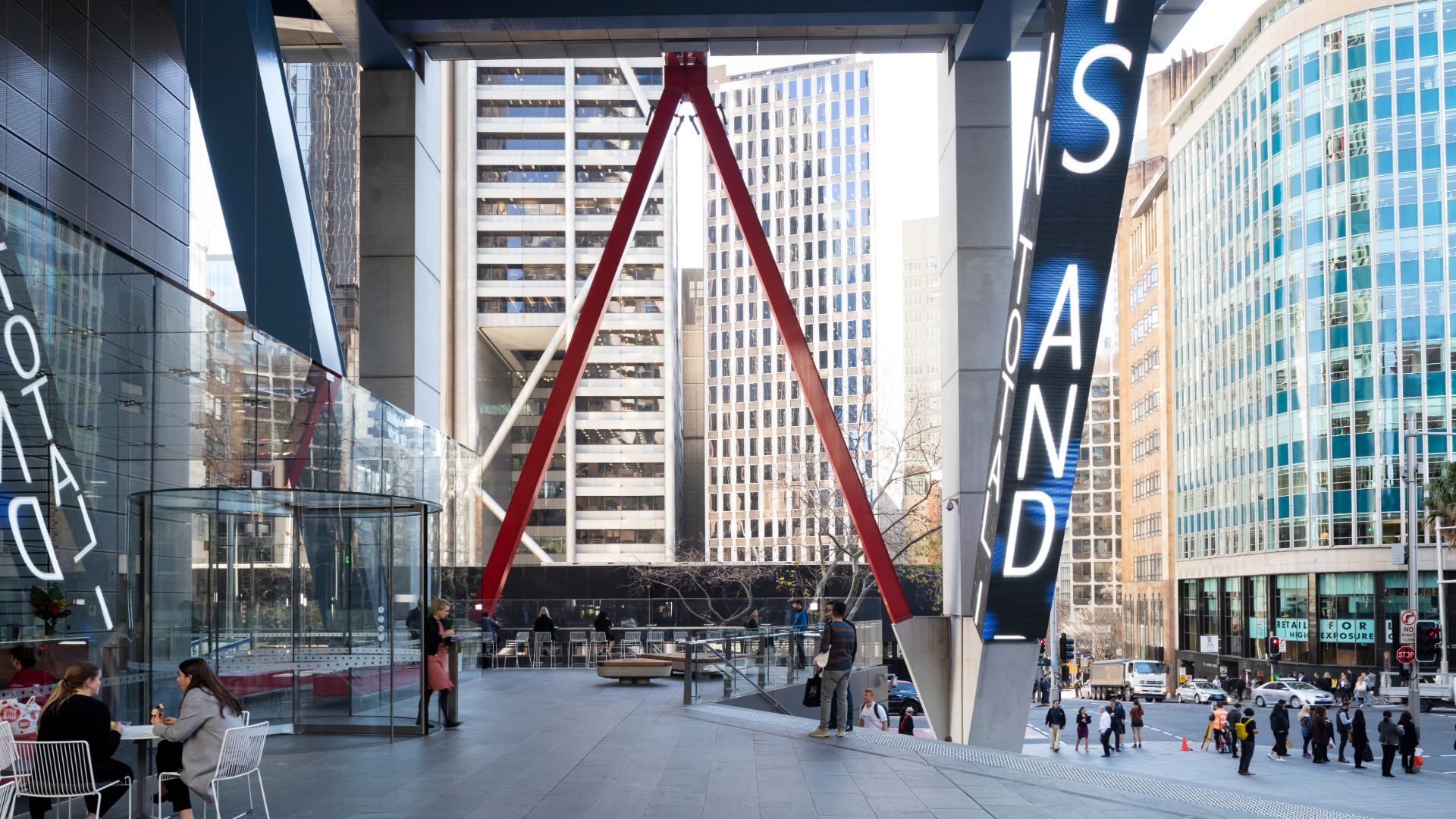
Do you have a favourite public art installation or mural in the city? What makes it special?
‘I STAY’ – the Jenny Holzer at Chifley Square. It looks like ticker tape and is in (essentially) our financial district so it’s easy to miss, despite being enormous. I walked past it a lot before noticing. It’s special because it’s surprising and poetic in the every day.

Porcine, Photo: Declan Blackall
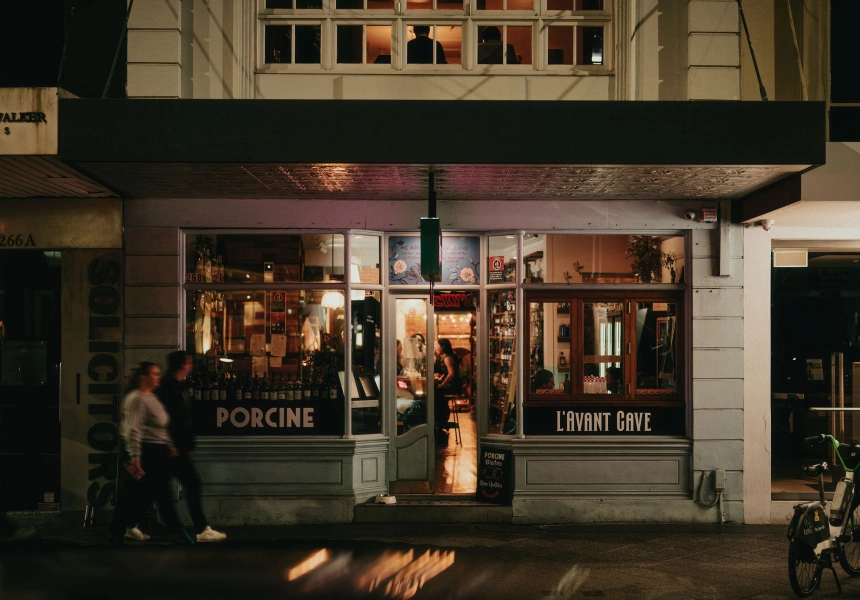
After a day of exploring Sydney Contemporary, where would you go for dinner and drinks to continue the evening?
I love dinner at Porcine – the menu is changing all the time but it’s always hardcore French. The Hollywood is my favourite pub in Sydney.
A hidden gem?
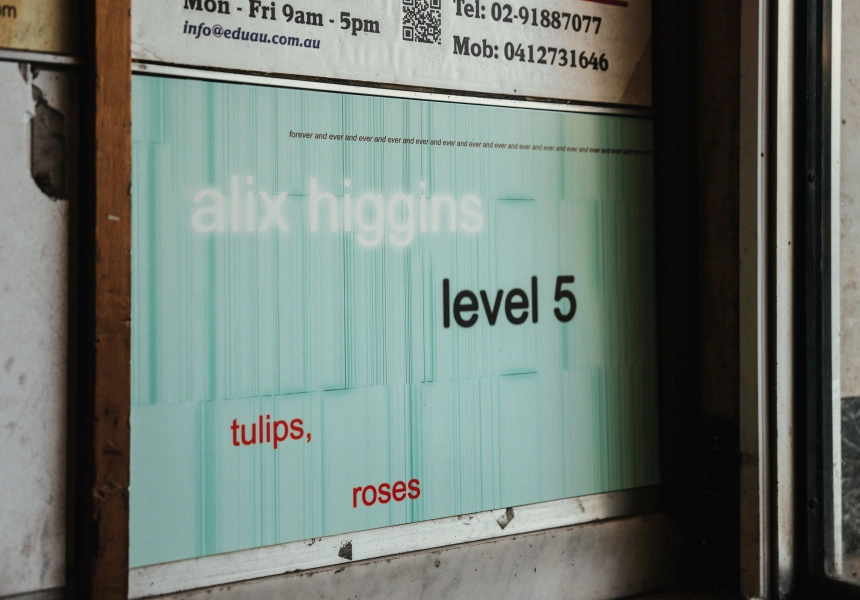
647-649 George street (my building of course!) is now home to many friends of mine – some other designers and some vintage as well. Love+Pop on level 2, Phoebe Cutler Jewellery and A Weekend With Denis on level 3 and then my store on level 5.
Sydney Contemporary returns to Carriageworks from 3 – 6 September. Tickets are on sale now.
Driven by distinct yet complementary instincts–Andy’s analytical eye as an artist and Kallie’s lifelong passion for curation—this collecting duo approaches contemporary art with a shared focus on storytelling and deep, enduring connections. For them, art is never an afterthought or mere decoration; it is the vital center around which their entire daily life revolves.
Ahead of Sydney Contemporary, we spoke with Kallie and Andy about the evolution of their collection, the deliberate choice to design their homes around the art they love, and how the Fair continues to surprise and clarify their creative vision.
___

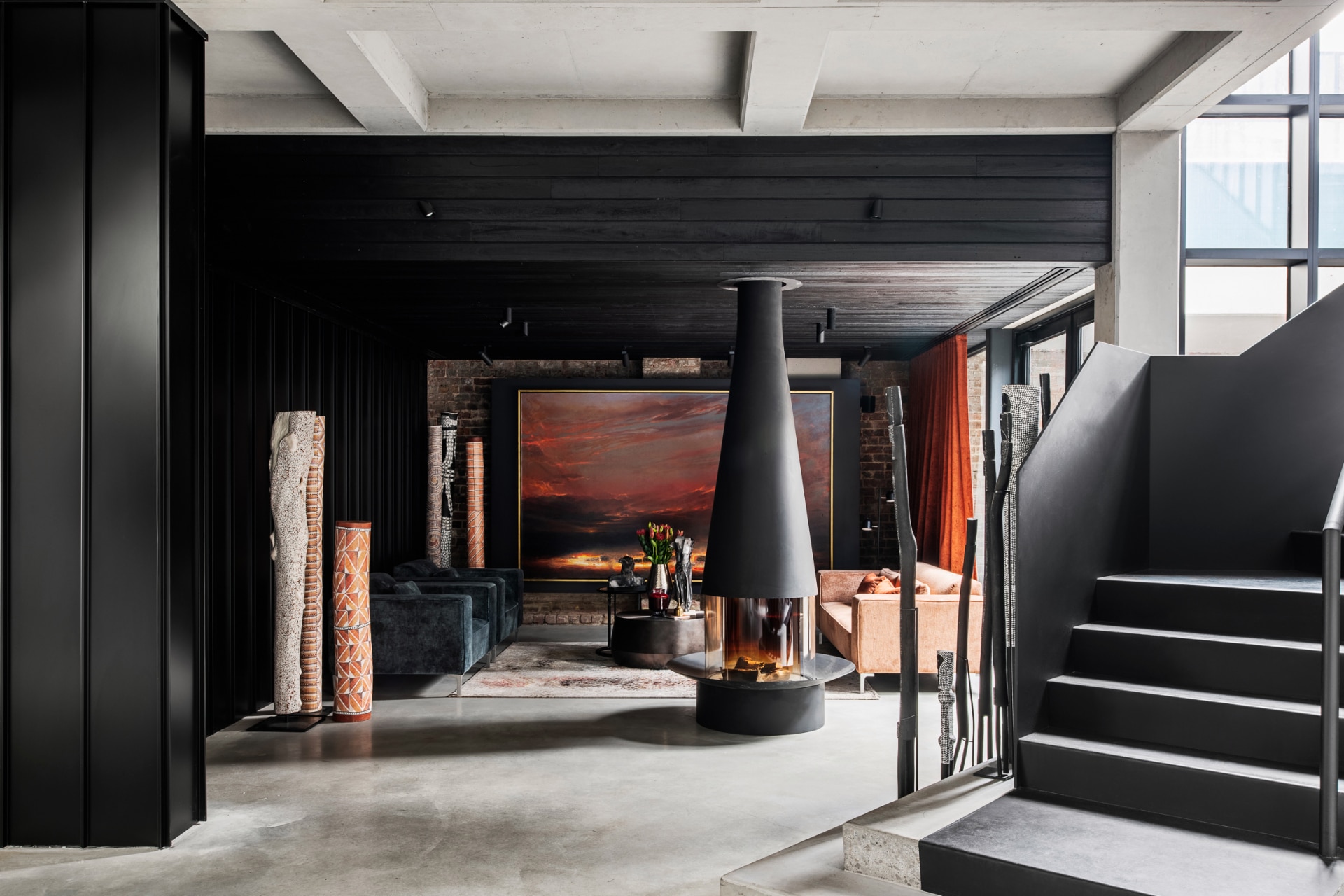
Yimula Mununggurr, Djapu, 2019, Paul Wutjinama Maymuru, Wayawu, 2019, Tim Storrier, Evening Embers, 1995Photo: Tom Blanchford
What first sparked your interest in collecting contemporary art?
Our paths to collecting were different but ultimately led us to the same place. Kallie’s passion for art started with her love of curation; when she was little, she would collect and curate items ranging from buttons to leaves to coins and then share them with others. From this and when she moved to Australia, she began collecting contemporary art and curating our own collection. Andy’s spark came from being tasked with selling off a former corporate art collection. This, in turn, led to his first personal acquisition, a work by Tim Storrier – an artist we still admire and collect.

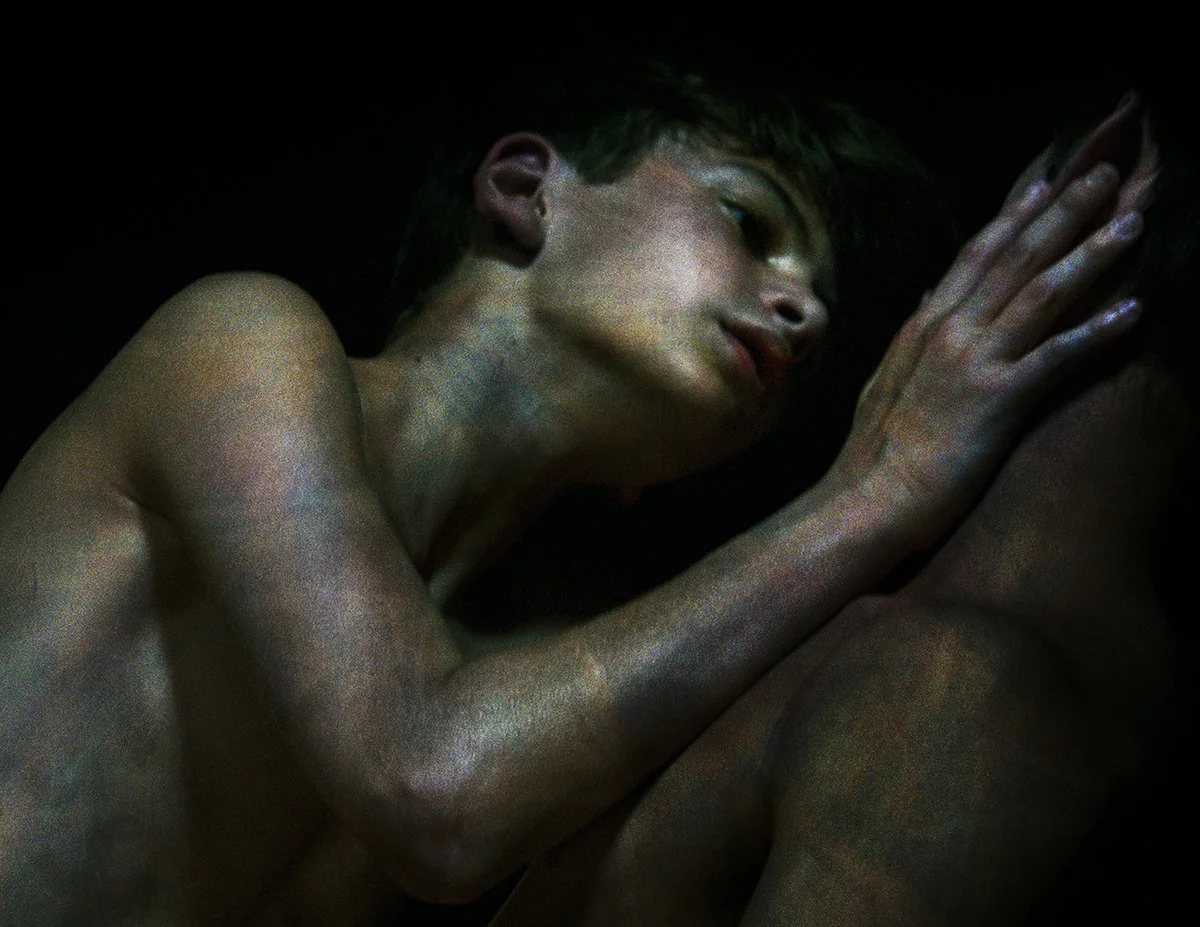
Bill Henson, Untitled, 2021
When encountering a new work, what qualities or ideas tend to draw you in?
We are drawn to works that tell us a story and sustain connection over time. Whether it is the stillness of a Bill Henson photograph or the meditative quality of a teamLab digital work, we look for something we can live with comfortably (and sometimes intentionally uncomfortably!) and that continues to reveal itself over time. Artworks do not need to fit a particular genre; they need to resonate both in the moment we encounter it and over the coming weeks, months and years that we have it hung in our home.

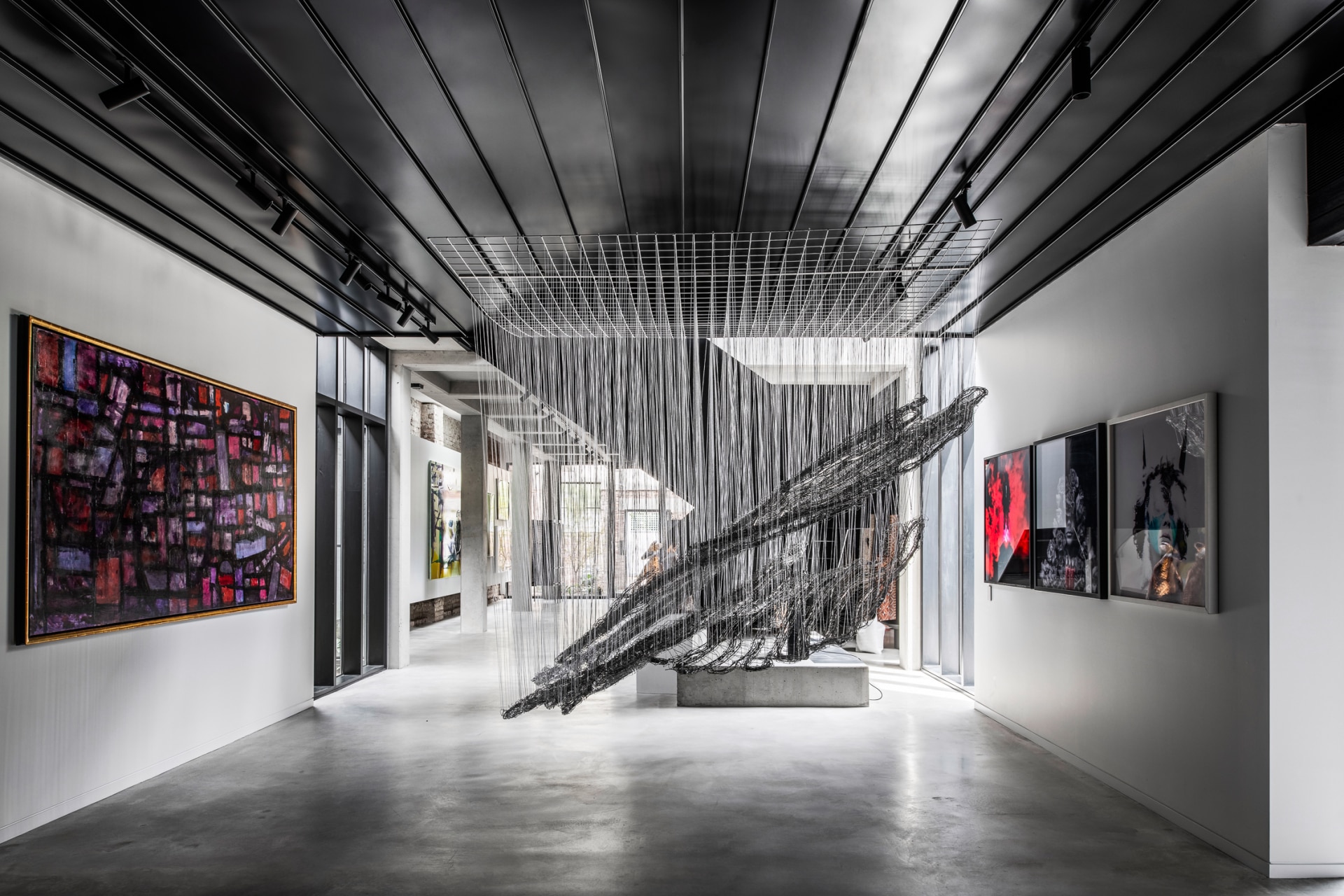
Photo: Tom Blanchford
Has your approach to collecting evolved over time? If so, how?
Andy is very analytically driven – he loves to understand the process of developing an artwork being an artist himself, while Kallie has always been driven by the joy of the hunt — and over time those instincts have converged into something complementary. Kallie’s involvement with the Museum of Australian Photography (MAPh) has drawn the collection increasingly towards photography. We have also become far more open to digital art, which was not part of our early thinking but now has a significant presence in our home.
What role does living with artworks play in your everyday life?
When we built our city home years ago, we worked with an architect who understood what we meant when we said that “art needs to come first, and living second.” To this end, art is the most prominent part of our interior life; it is not decorative so much as central to how we experience our home. We place artworks within rooms rather than as an afterthought, which means every space is in constant dialogue with the works that inhabit it.

Tamara Dean, Cosmos, 2015 (left), Dale Frank, Black Soil Warrego Highway (Esk Turnoff) West Morton Anglican Boys College, 2003 (right). Photo: Tom Blanchford
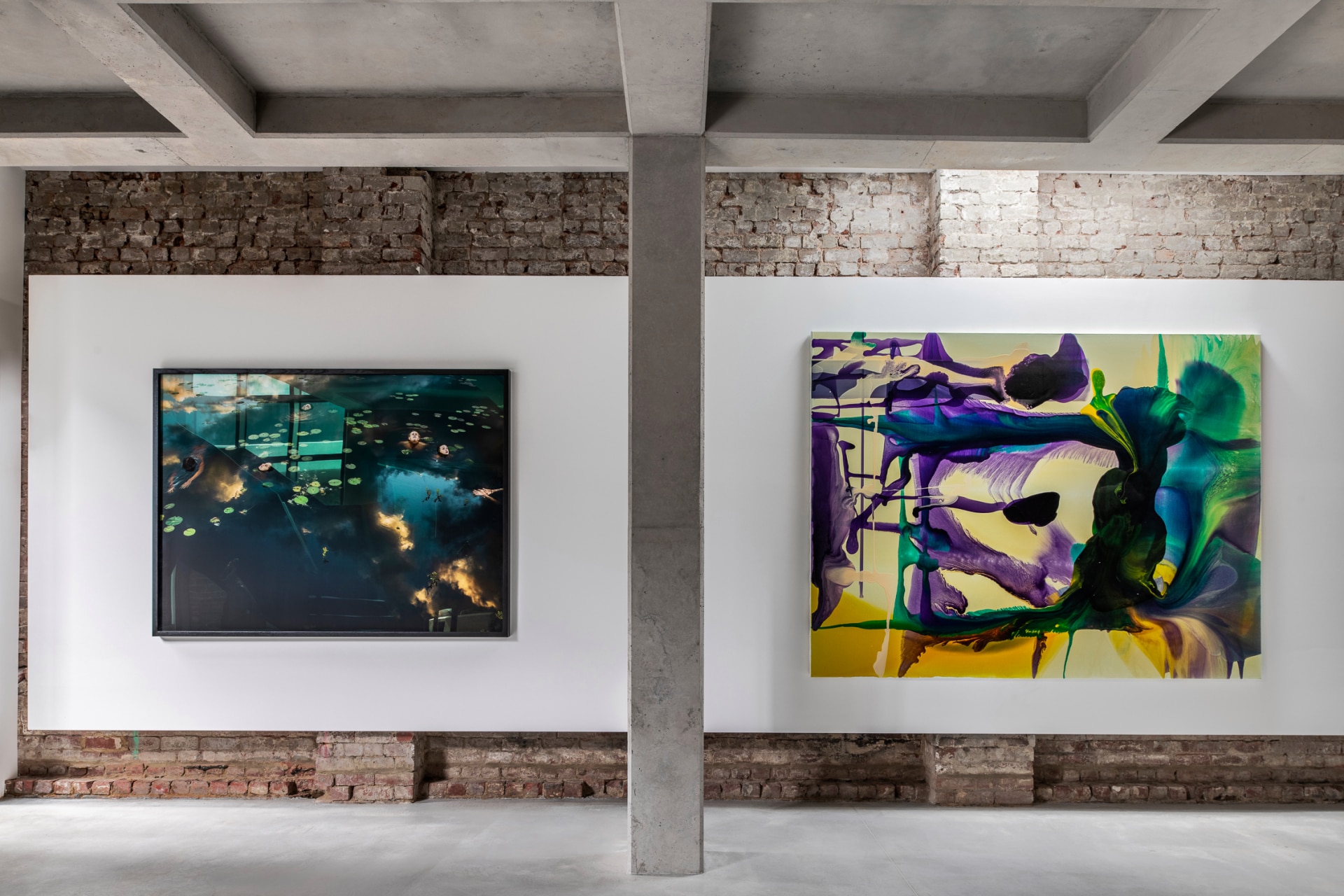
Your collection has been described as reflecting a personal journey rather than a fixed collecting strategy, and even your home was designed around the artworks themselves. How has living so closely with the collection shaped the way you acquire and connect with new works?
When we converted our city home from a warehouse to a place to live, we made sure that art was the hero throughout all the spaces. This commitment has made us more attuned to how an artwork will feel to live with day-to-day — not just how it looks in a gallery. We have recently been repeating that process at our home in Mexico which has enabled us to embark on a new journey of discovery with Latin American art.

Laurence Edwards, The Catcher. Photo: Tom Blanchford
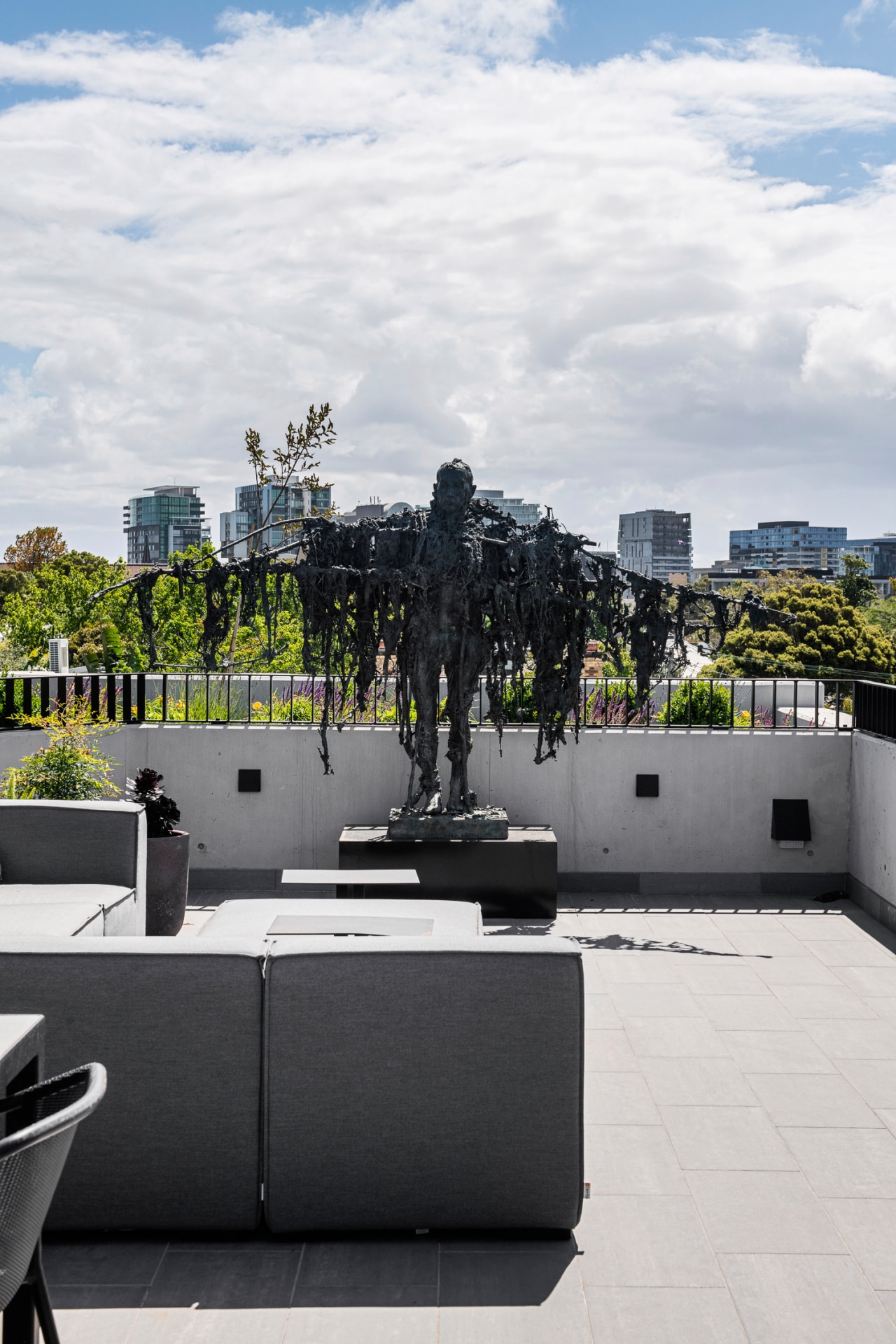
Sydney Contemporary brings together a wide range of artists and galleries each year. What do you most look forward to discovering at the Fair?
Sydney Contemporary has always been where we encounter work that surprises us — artists and practices we would not have found through our usual gallery relationships. We particularly look forward to discovering emerging Australian voices in photography and new media, where our collection has grown most strongly. The Fair also brings together galleries whose programs we follow closely, and the energy of seeing so much work in one place has a way of clarifying what genuinely moves us. And we love catching up with friends at Sydney Contemporary too!
What advice would you give to someone beginning their journey as a collector?
Our advice to anyone wanting to start buying art and/or building a collection is to invest in what genuinely moves you. Engage with institutions, attend openings, and build relationships with artists and gallerists, because the community and the conversations that stem from it are as enriching as the acquisitions. Above all, collect and curate artworks that you want to live with now and into the future.
Sydney Contemporary returns to the Carriageworks from 3 – 6 September.
Since the inaugural edition of Sydney Contemporary in 2013, Alcaston Gallery has been a constant presence, championing some of Australia’s most significant Aboriginal and Torres Strait Islander artists while helping to shape conversations around contemporary art collecting. Over the past decade, the gallery has witnessed profound shifts in the recognition and reception of First Nations art, both within the Fair and across the global art market. As Sydney Contemporary celebrates its 10th edition, Alcaston Gallery director Beverly Knight reflects on the power of in-person connection, the evolution of its presentations, and the moments that have defined its journey through a decade of the fair.
_______
Alcaston Gallery has been at every edition since 2013 – what keeps pulling you back each year?
We consider Sydney Contemporary to be a world class art fair; in a world now dominated by the ‘virtual’, personal, real-life contact, interaction and engagement is everything, so the four art fair days in Sydney has become among the most important in the year for our artists!
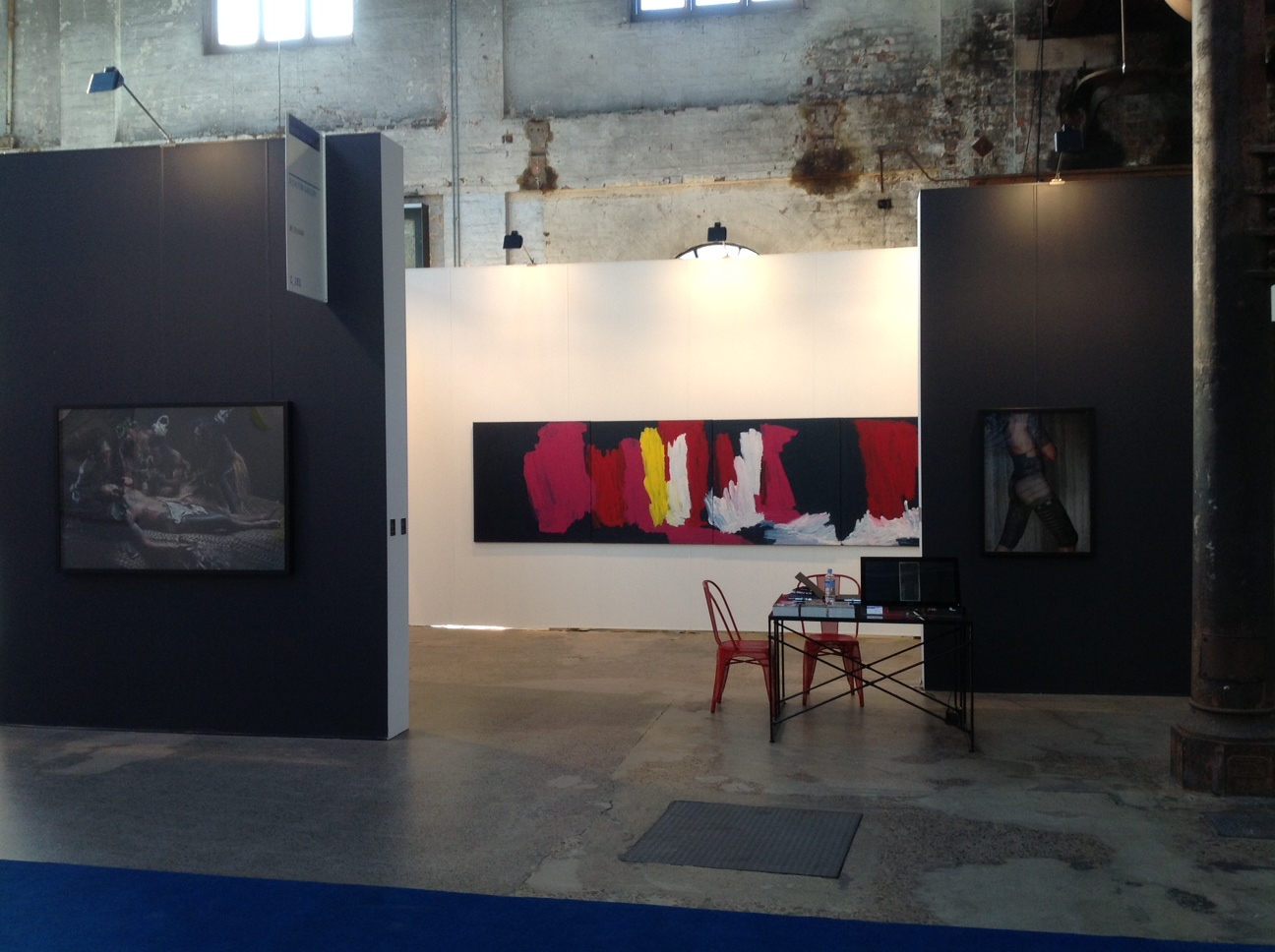
Alcaston Gallery, Sydney Contemporary 2013, Carriageworks
Looking back across all ten editions, how has your presentation evolved, in terms of artists, scale, or curatorial focus, while staying true to the gallery’s mission?
Initially having the same stand location each year really assisted us to look to artists and plan our stand design to achieve the strongest presentation. Changes made by Sydney Contemporary to our much-loved stand position, due to covid restrictions and now again in 2026, we have had to continually reinvent our stand designs for our artists to ensure that we present their work in the best possible way.
Since 2013, how have you seen the visibility and reception of Aboriginal and Torres Strait Islander art shift within the art fair context?
At first, it was a huge challenge being the only commercial gallery exhibiting First Nations Australian artists, as well as Pacific artists including Dean Smith, Greg Semu and Angela Tiatia. We looked to the marketing aspect for the artists to huge numbers of visitors especially institutional and savvy collectors particularly those interested in a wider view of great art. The enduring art of Sally Gabori has been exhibited at every fair, and now with a worldwide dedicated clientele, collectors who fly in from across the globe to see us and the major works by Sally Gabori reserved for Sydney Contemporary!
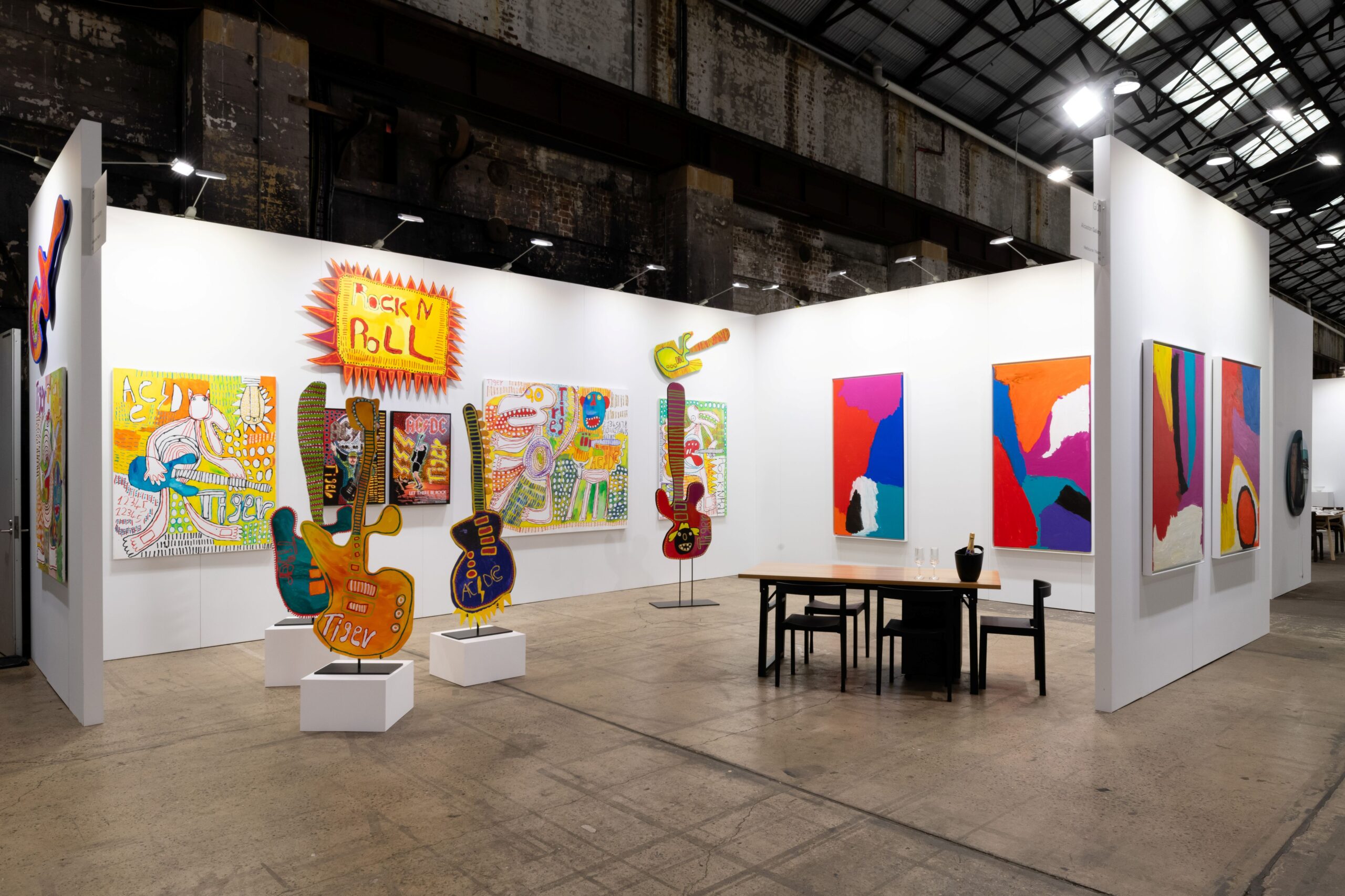
Alcaston Gallery, Sydney Contemporary 2025, Carriageworks.
Are there particular moments across the Fair’s history – a booth presentation, an artist breakthrough, or a collector interaction – that stand out as milestones for Alcaston Gallery?
In 2015, we received a call on VIP day from an unknown art lover from the United Arab Emirates about the major 4.5m Sally Gabori painting presented on our stand, requesting if we could hold it until they catch a flight to view the work at Sydney Contemporary first thing on Saturday morning. We obliged, and the client loved it – and a record price was achieved for the artist.
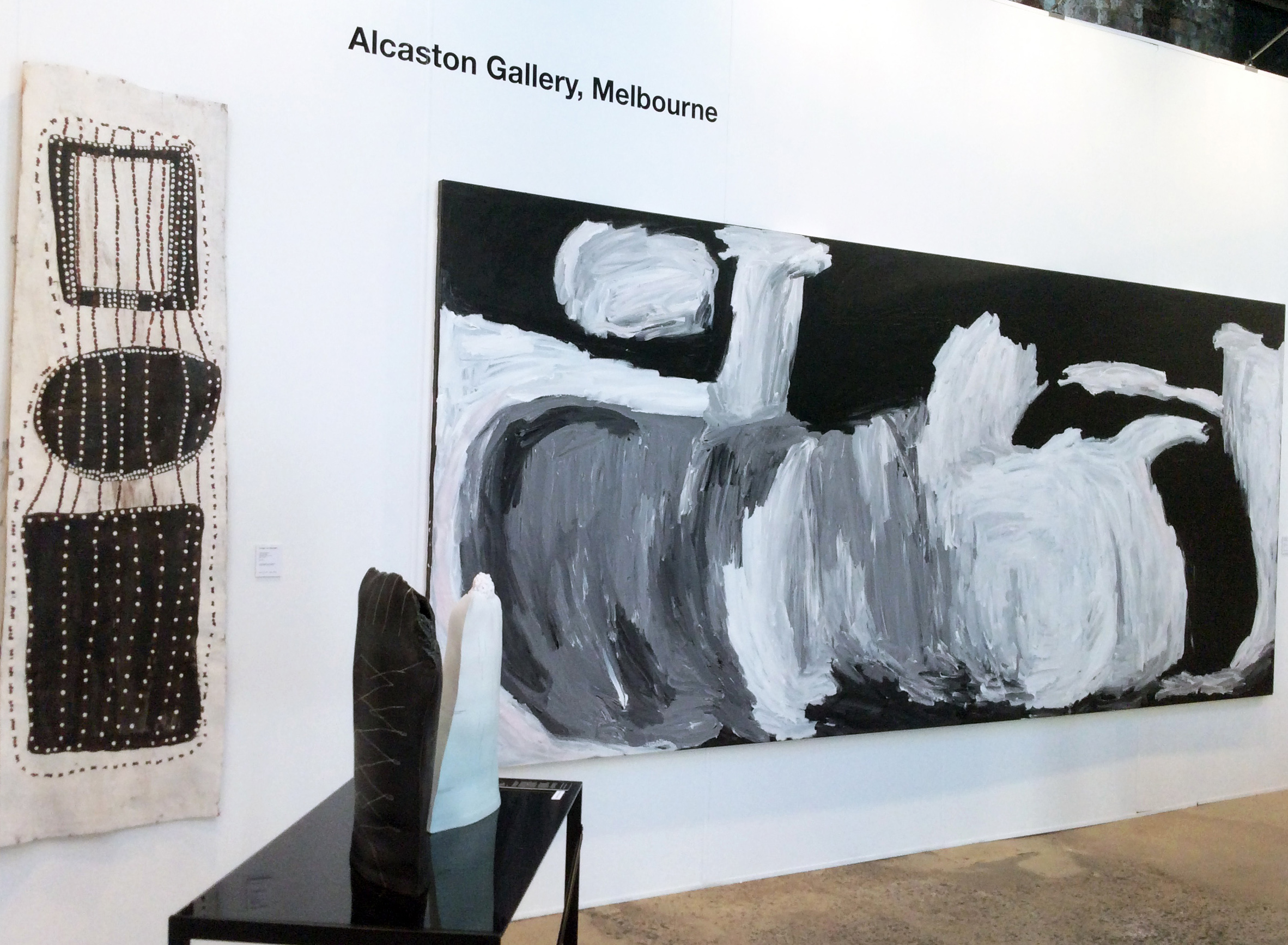
Major work by Sally Gabori at Alcaston Gallery’s booth at Sydney Contemporary 2015.
As Sydney Contemporary marks its 10th edition, what feels most significant to you about being part of its entire journey so far?
The enthusiasm shown by Alcaston Gallery staff and artists, combined with the highly anticipated annual catch-ups with Sydney clients and art lovers, has always been a recipe for success. Like New York art collectors, Sydney-siders love a party; but they know what they like and make decisions on the spot, pay and we deliver.
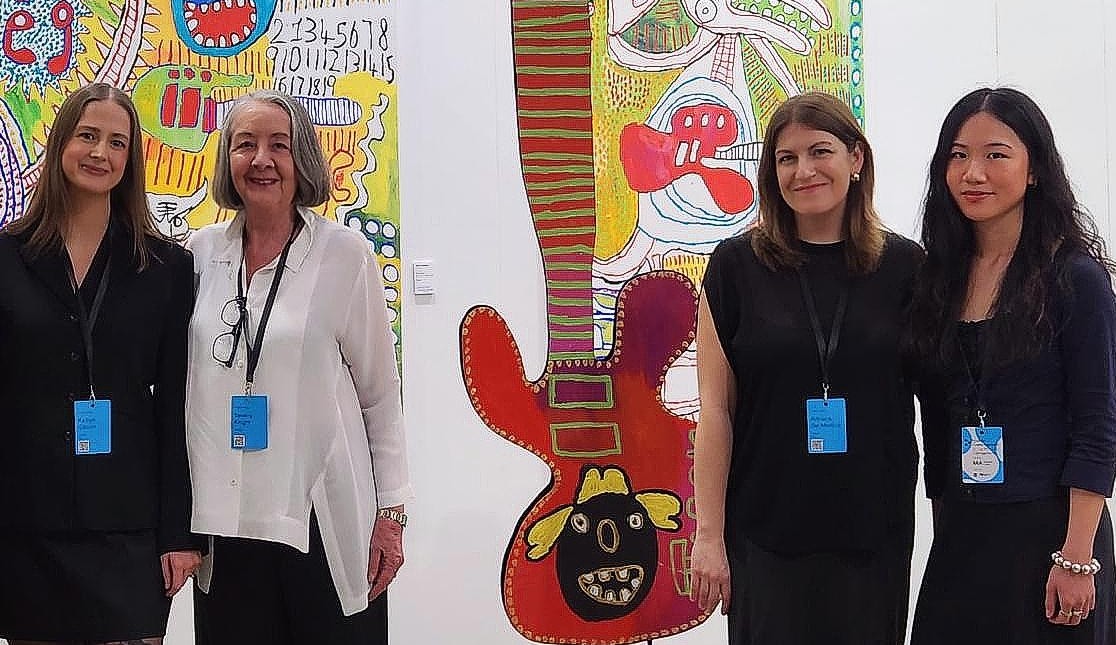
Alcaston Galley staff at Sydney Contemporary 2025
We caught up with artist Marina Rolfe ahead of her exhibition solo exhibition The edge of holding at ARC ONE Gallery opening on April 15th. Marina reflects on the slow attentiveness behind what often appears intuitive, the delicate tension between orientation and ambiguity, and the ways her paintings negotiate the surface – building, erasing, and reforming – to remain open, atmospheric, and endlessly unfolding for the viewer.

Marina Rolfe, Turning, with every tide, 2026, oil on linen, 122 x 152.5 cm. Courtesy of the artist and ARC ONE Gallery
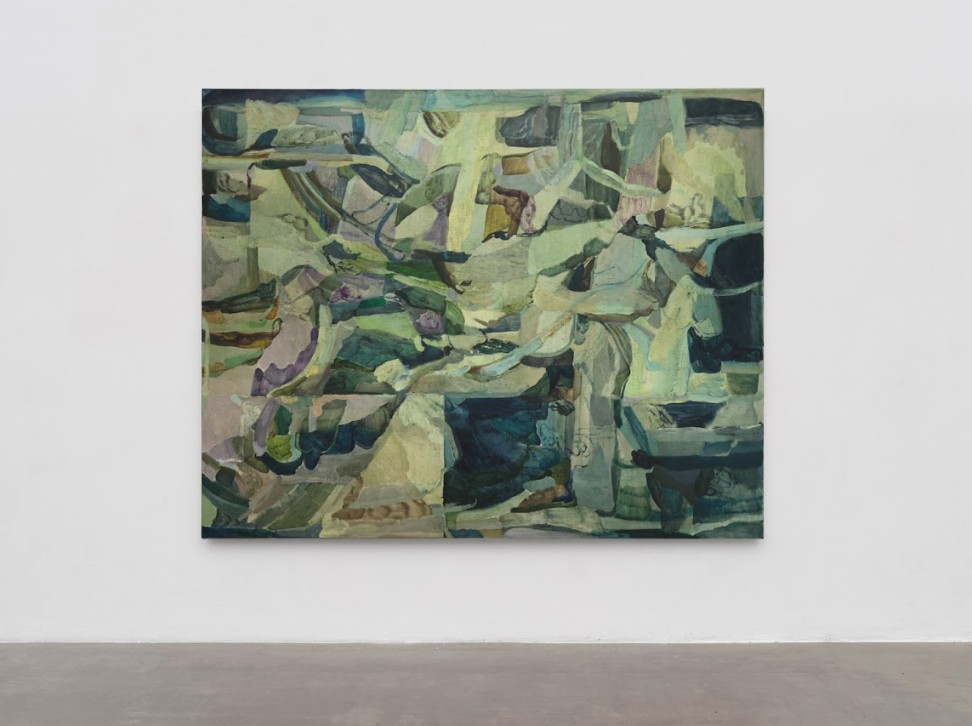
Your early training was in classical painting in Moscow. How does that foundation continue to shape the way you approach abstraction today?
My early training in classical painting definitely still sits somewhere in the background of what I do. It gave me a strong technical knowledge and sensitivity to structure; things like composition, spatial relationships, and how an image holds together. Even though my work is now abstract, that awareness is still there.
I think it shows as something underlying the painting. It allows me to push the work quite far into abstraction without it completely losing a sense of orientation. At the same time, my current practice is almost working against that training. Instead of constructing an image in a controlled way, I’m more interested in allowing the painting to develop through process, through layering and responding to what’s happening on the surface. So there’s a kind of tension between that training and the way I work now.

Installation view of Looking back to see if they still look back at me, 2024, Marina Rolfe, ARC ONE Gallery
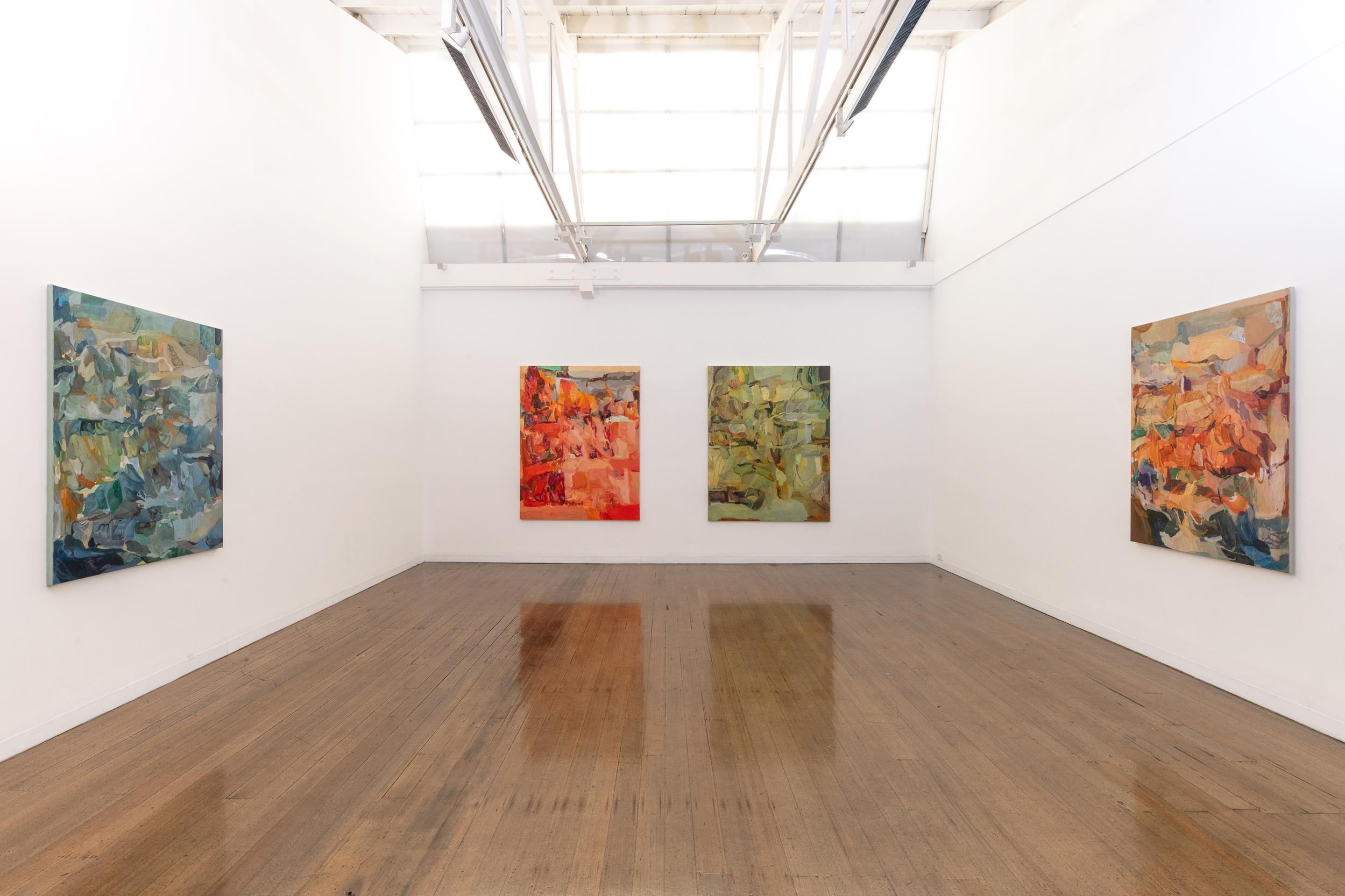
Your work often feels intuitive and emotionally driven. Can you talk about how intuition guides your process, and where conscious decision-making comes in?
I think what gets described as intuition in my work is actually quite slow and attentive. It’s not really about making quick or impulsive decisions; it is more about responding to what the painting is doing.
I start the work without knowing what it will look like when it’s finished. As the painting develops, I’m constantly adjusting things: colour, form, density; so there’s actually a lot of decision-making happening. But those decisions come from being with the painting and responding to it. There are also moments where I deliberately pause or hold back. That’s quite important, because it stops me from resolving the work too quickly and gives space for something else to come through

Marina Rolfe, Of the hour’s secrets, 2025, oil on linen, 198cm x 152.5cm. Courtesy of the artist and ARC ONE Gallery
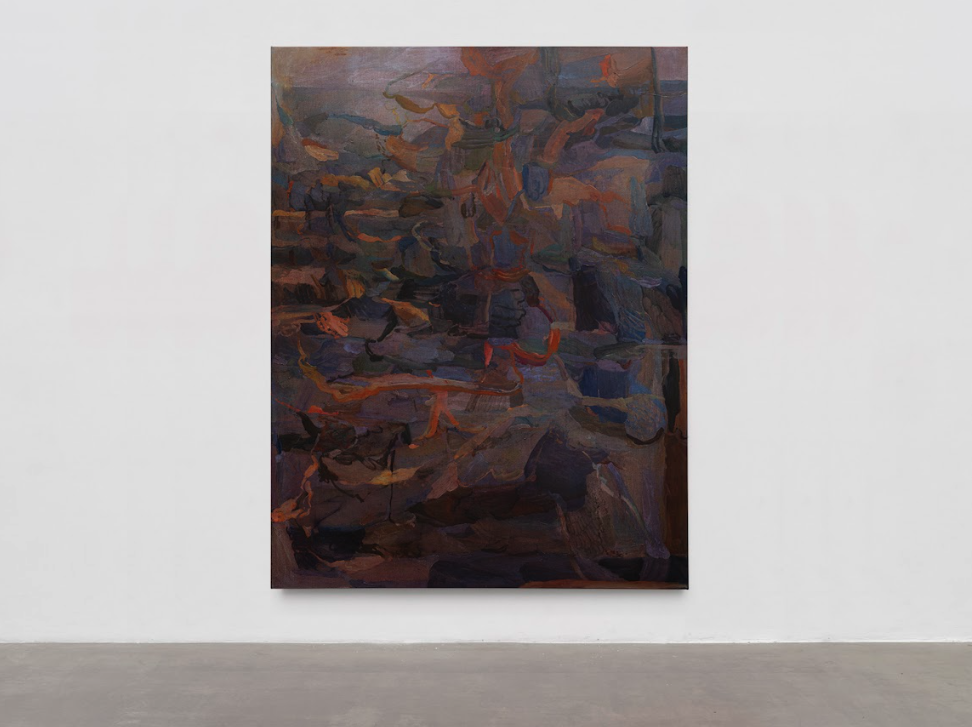
Your practice sits within landscape abstraction, but resists fixed place or narrative. What draws you to this space between recognition and ambiguity?
I’m interested in that space because it allows the painting to remain open. If the image becomes too defined, it can feel closed. But if it goes too far into abstraction, I lose my connection to it. So I work somewhere in between, where there are traces of landscape or space. Things can shift, dissolve, and sometimes reappear. I think that space also invites the viewer to spend time with the work, to orient themselves and then re-orient again. It becomes about experiencing how the painting unfolds.

Marina Rolfe, Artist in studio, 2025. Courtesy of the artist and ARC ONE Gallery
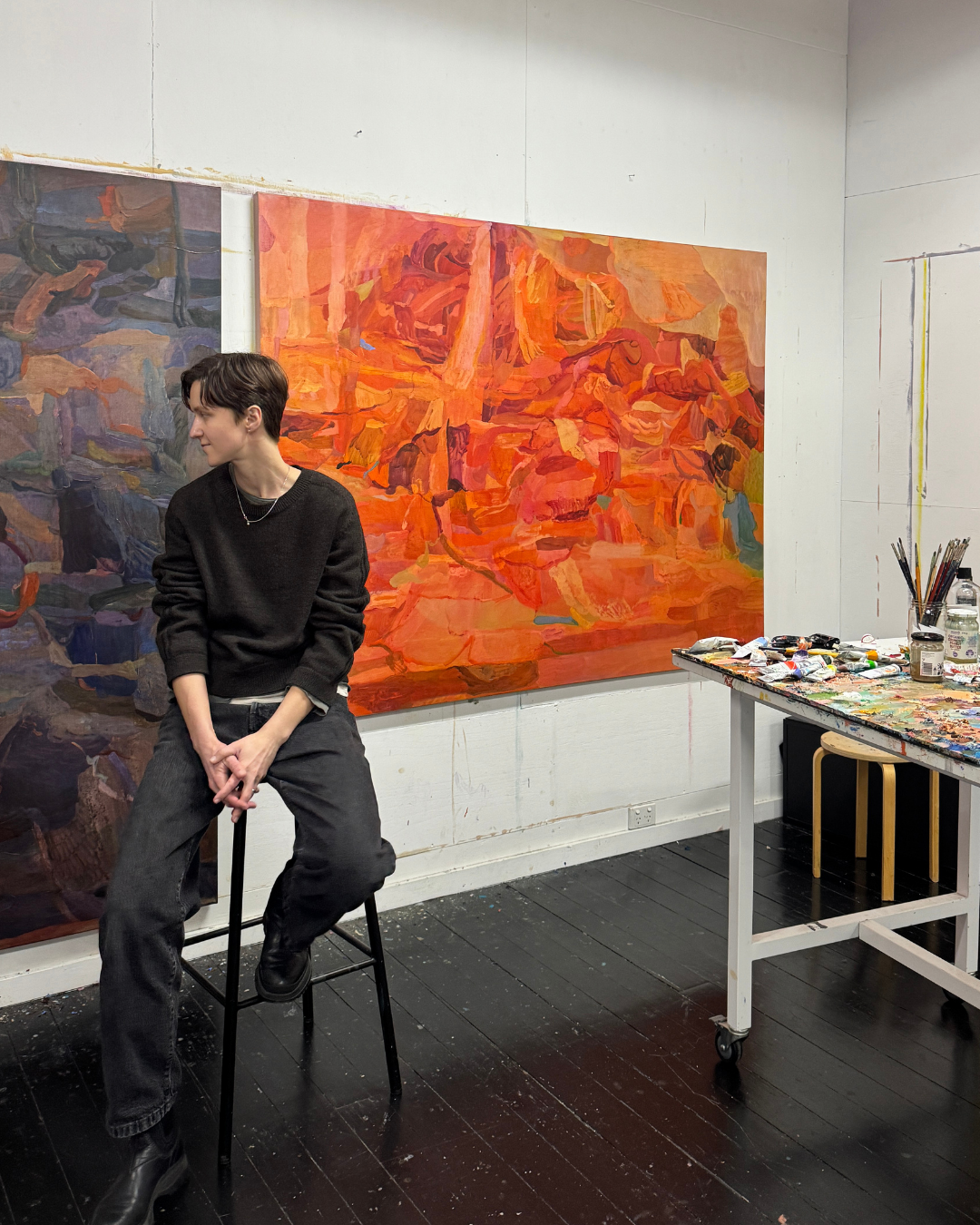
Looking ahead to your upcoming exhibition at ARC ONE Gallery, are there new ideas, materials or directions you’re excited to explore?
In the upcoming exhibition, I’m continuing to develop this idea of painting as a kind of negotiation with the surface.
One thing that’s become more important in the work is this process of almost undoing the painting — pushing it to a point where it feels like it might fall apart or disappear, and then working back into it again. I often find that something new only begins to appear after that point, once the original image has been disrupted. So the paintings move through these stages of building, then being pushed towards a point of collapse, and then slowly re-forming into something else. That’s where the sense of negotiation really sits for me.
I’ve also been thinking more about how to sustain that threshold, where the painting stays open, but something can still begin to appear. The works are becoming more focused on atmosphere, and on how forms gather gradually through layering, erasure, and reworking.

Marina Rolfe, From afar, 2026, oil on linen, 81 x 120 cm. Courtesy of the artist and ARC ONE Gallery
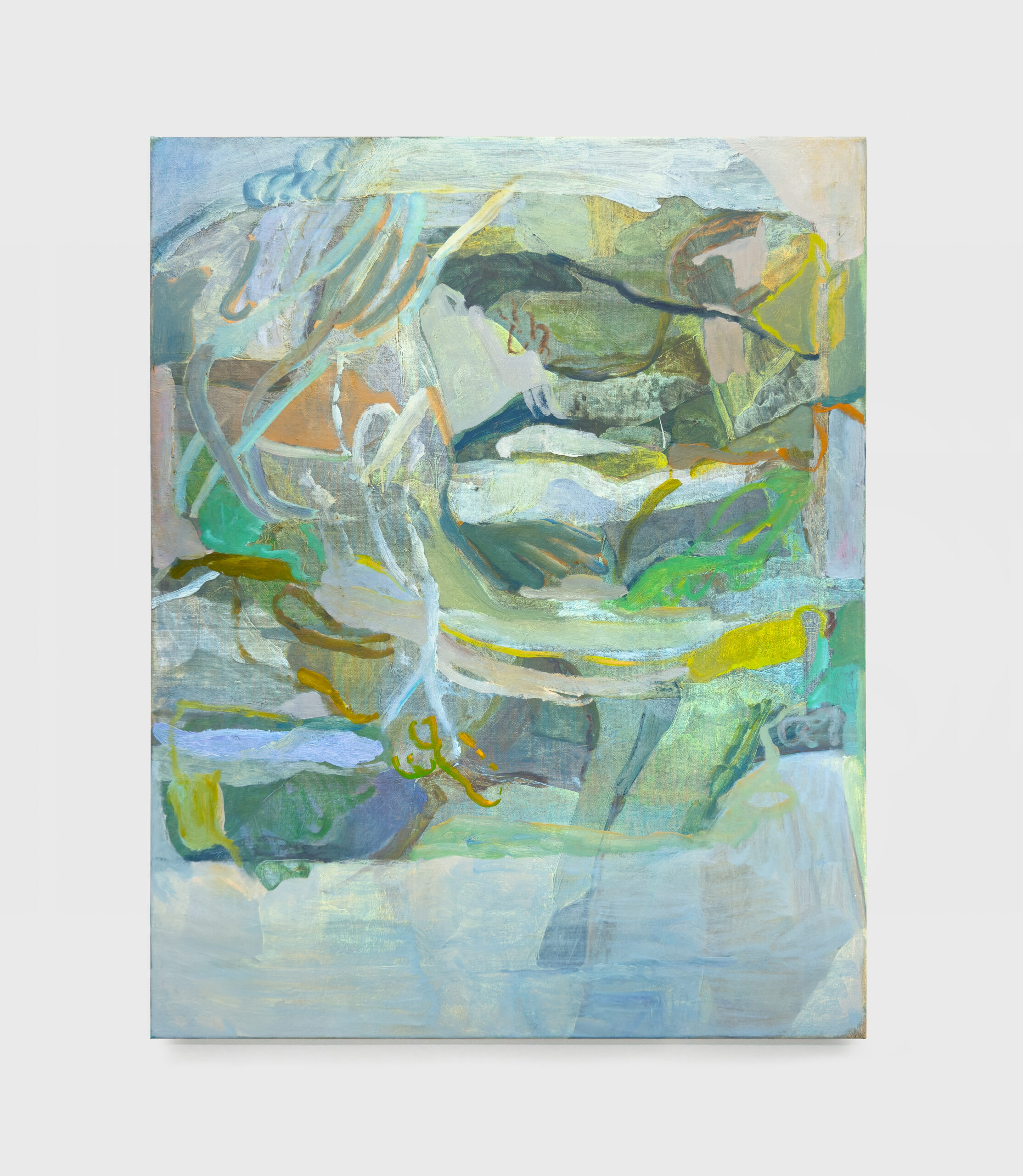
When someone chooses to live with one of your paintings, what do you hope the work continues to offer them over time?
I hope the work continues to unfold over time. I don’t see my paintings as being immediately legible; they can be experienced differently depending on how long you spend with them. Forms might appear and disappear, or certain areas might come forward at different moments. So I hope the work creates a space for ongoing looking, something that remains open and continues to shift over time.
Rolfe’s exhibition The edge of holding at ARC ONE Gallery runs from 15 April until 23 May, with the opening reception taking place on Saturday 18 April 2-4pm.
@marinarolfe
@arconegallery
arcone.com.au
Monica Rani Rudhar transforms jewellery and heirlooms into vessels of memory, tracing the intimate threads between migration, identity and belonging. Ahead of her inclusion in The Biennale of Sydney, we spoke with Monica on weaving family mythology with colonial critique, inviting audiences into tender conversations about inheritance and home, and what she’s looking forward to exploring in 2026.

Monica Rani Rudhar, Daughter Of The Same House, 2021, Terracotta, glaze, lustre, dimensions variable. Photo: Docqment.
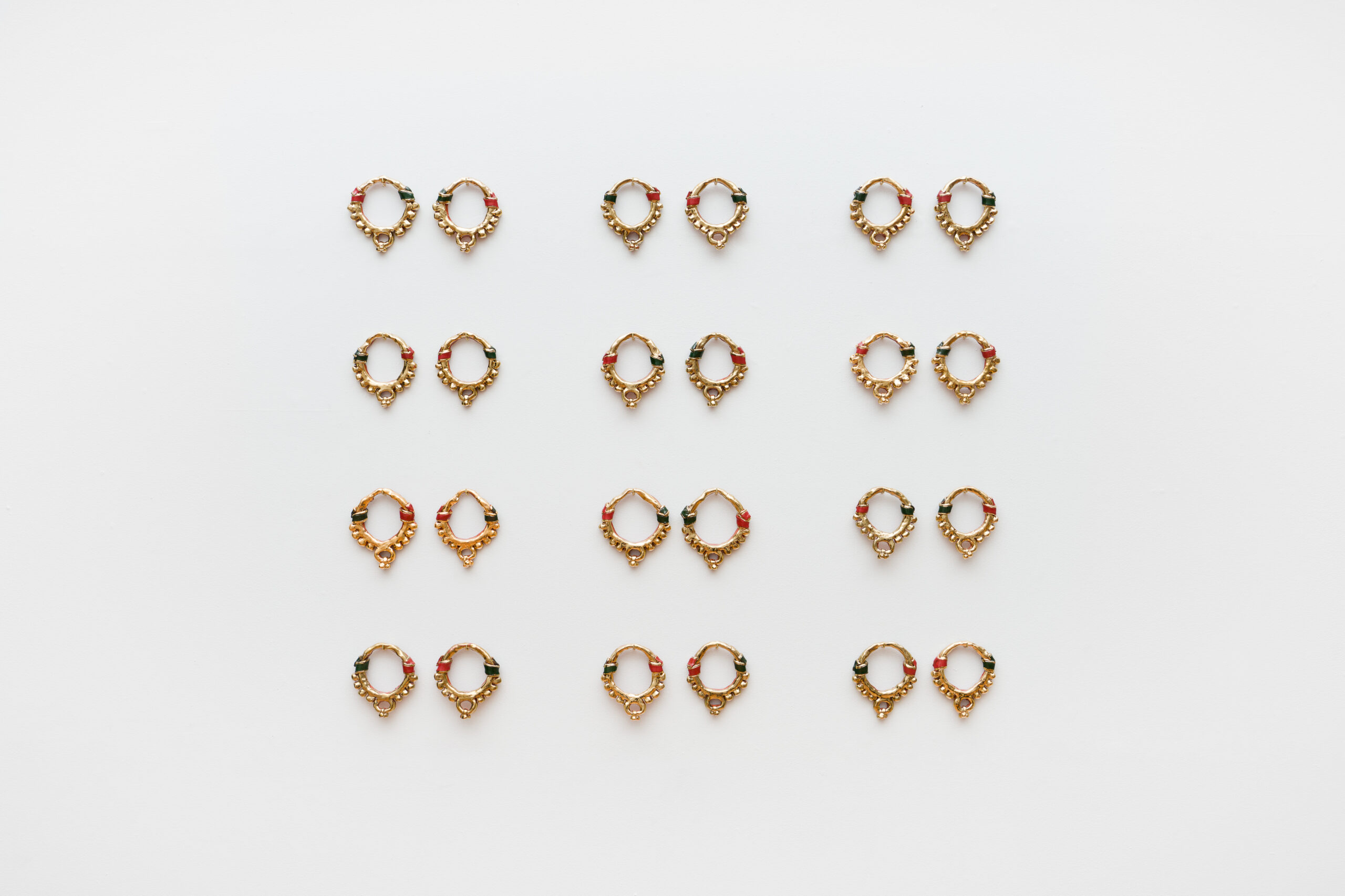
Objects such as jewellery and heirlooms recur throughout your practice. Can you speak about their significance and the role they play in your work?
I am very interested in the ways jewellery and heirlooms store inherited memory, acting as tangible links to my cultural homelands and family members who have passed. Using them in my work as relics that preserve personal histories creates an entry point into exploring my own personal family histories. For me, objects and heirlooms have played an important role in shaping my identity as an Indian Romanian Australian. As worn on the body, they have helped me in my journey in owning who I am, and being proud of my rich heritage, whilst being brought up in a space where I didn’t feel like I belonged.

Monica Rani Rudhar, Earrings That My Mother Kept For Me, MCA Primavera Installation View, 2024. Photo: Zan Wimberley.
Your practice often engages with cultural identity and family history. How has growing up between Indian and Romanian heritage shaped the themes and questions you explore in your art?
It’s really defined who I am as a person. I think having a multi-racial upbringing is super special, but I definitely think there is more to negotiate in order to belong. Sometimes I feel like I belong to neither side, and instead exist in what many people call this third space. It’s so much more common now, as a lot of children of migrants in my generation are grappling with similar feelings, where you feel like a bit of an imposter because you can’t speak the language of your ancestors. I explore ideas around cultural commodification, racial inequality, authenticity, migration and memory, so really a lot of my work is about belonging and what it means to belong in the context of Australia.

Monica Rani Rudhar, Performance View, Mother Of Millions On Whitford Road, Live dreams Distance, Carriageworks, 2022. Photo: Alex Davies
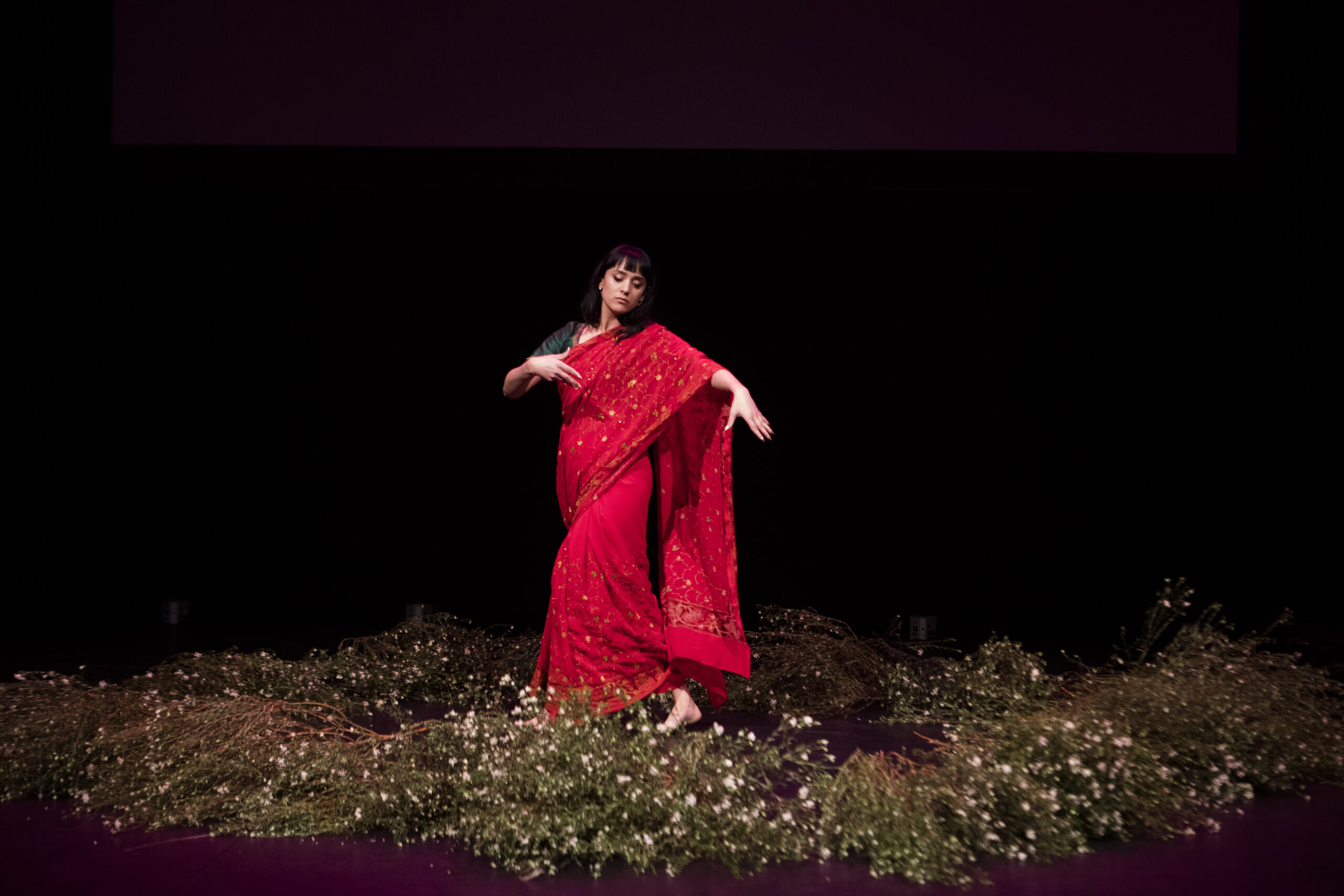
Much of your work draws on personal and familial narratives. What is your process for translating these stories into visual and sculptural forms?
I feel like most of the research I do for the making of my work comes from talking to my parents. For me, my parents feel like a connecting bridge to this imagined idea of a place that I’ve created in my head. Perhaps it’s a little more romanticised, like all good family stories are, and I really do feel like they sometimes function as a type of family mythology. Often, I’ll be calling up my mum or dad to get more details and a better context for certain stories. In my video works, I create nostalgic, non-linear storylines that resemble the way histories are told and stored. I often sketch scenes in pencil or create mood boards to translate what is inside my head. Often these scenes are close-up depictions or re-enactments that have been stitched together, accompanied by a narration or just a musical score. In my sculptures, often the stories are a little more embedded and less obvious, but often start out with many sketches and little studies. If I am working on family heirlooms, I like to work off a photo that my parents have sent to me on my phone, which may seem a little bit odd, but I like that there is a bit of a barrier or a degree of separation from the object. It leaves me the opportunity to interpret the object in my own way, kind of emulating the way we receive stories, how maybe there are parts that we need to fill in ourselves because we don’t have the full picture.

Monica Rani Rudhar, Hoops That My Once Belonged To My Mother, 2022. Photo: Docqment
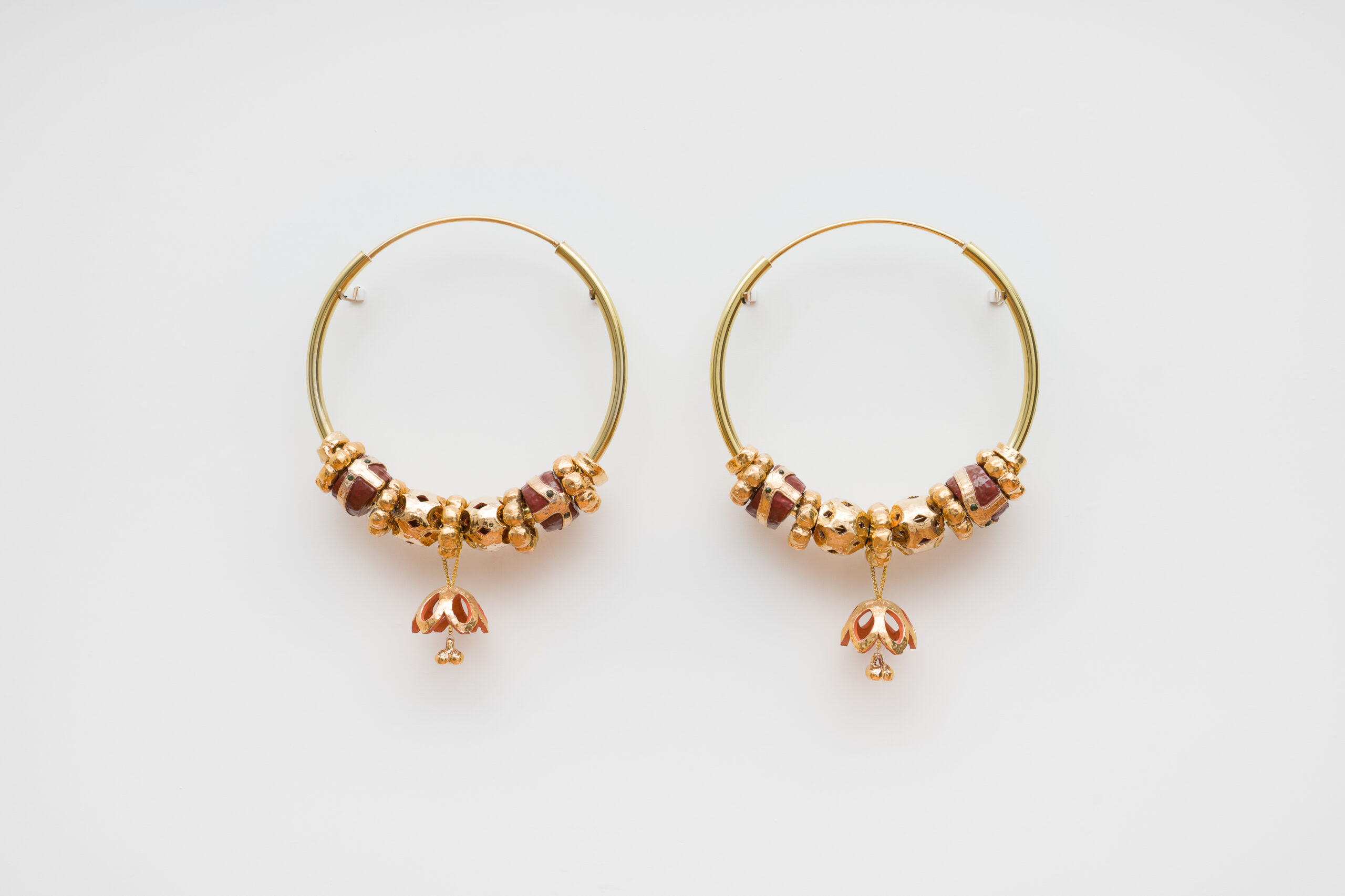
For the Biennale of Sydney, your new work engages with colonial legacies, trauma, and resistance. What conversations or reflections do you hope this project invites from audiences?
I hope my work invites audiences to reflect on the complex legacies of colonialism and how they continue to shape personal and collective identities. I want the work to encourage conversations about inherited legacies and how strength and knowledge are carried across generations. I want people to reflect on our collective responsibility in the face of racial injustice and colonial violence in our present day.

Installation View. Image courtesy Monica Rani Rudhar.
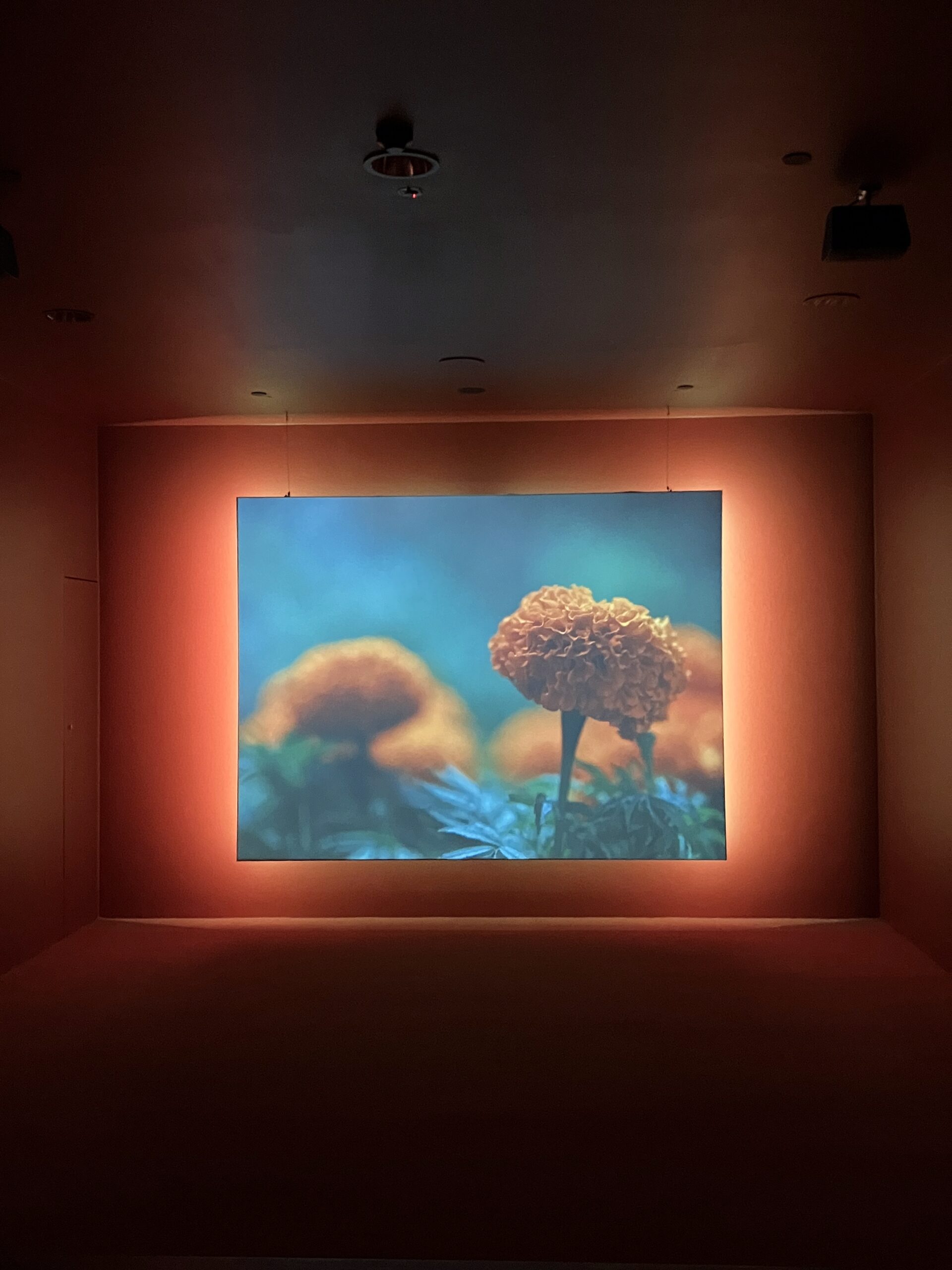
Looking ahead, are there particular projects, collaborations, or mediums you’re excited to explore in 2026?
Yes, absolutely, I’ve been wanting to explore sculpture a little more closely. I’ve got some ideas of artworks that I’ve sketched in my diary from last year that I’ve been itching to make! I’m eager to take a moment away from ceramics and explore new materials. I’m just waiting for a bit of a breather to play and experiment! I’ve got some public artworks that will be unveiled quite soon, both in ceramic and bronze, but I’m hoping it’s not the end and that these projects will propel me forward in being able to create larger and more ambitious works.
The Biennale of Sydney is on from 14 March to 14 June
biennaleofsydney.art
monicaranirudhar.com
Since its founding, Gallery Sally Dan-Cuthbert has championed work at the intersection of art, design, and craft.
We spoke with Director Sally Dan-Cuthbert about the gallery’s philosophy and the ideas behind the current exhibition, ‘Fine Design and Objets d’Art’. The exhibition brings together artists and designers working across function, form and fine art, and considers how collecting becomes an expansive, cross-disciplinary practice.

Installation Image, Fine Design and Object d’Art, Pictured: TibetSydney, Rhoda Ting & Mikkel Bojesen, Sabine Marcelis, Damien Wright, Gallery Sally Dan-Cuthbert, Photography Simon Hewson
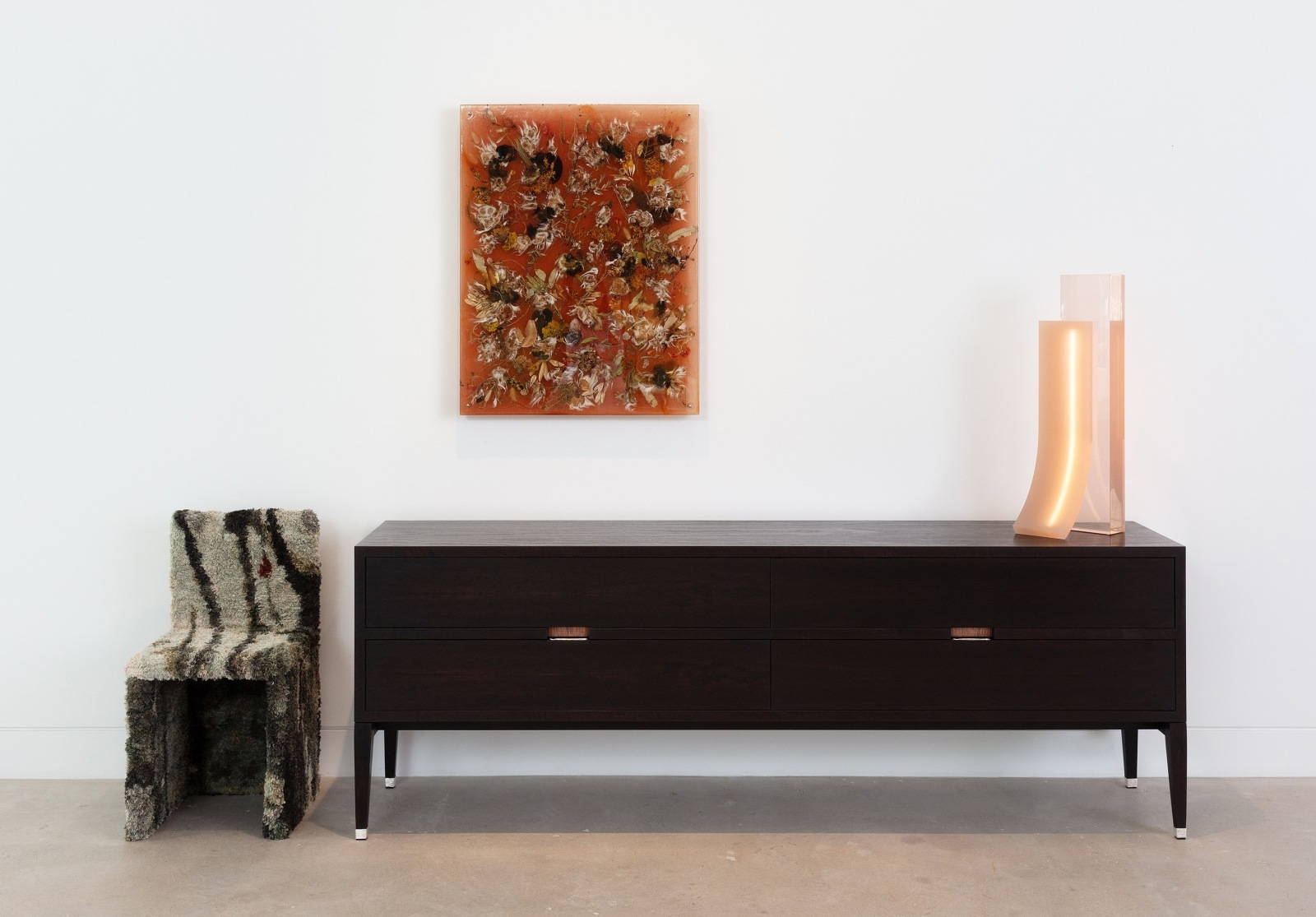
Can you tell us about the founding of Gallery Sally Dan-Cuthbert, what motivated you to establish the gallery?
Gallery Sally Dan-Cuthbert was established in 2019, the first of its kind in Australia to deliver an intergenerational programme of rigorous contemporary art, objets d’art and collectible design by local and international artists and designers.
Our motivation was to deliver a programme that celebrates diverse approaches to media across art and design, with carefully orchestrated intersections of these parallel disciplines. The gallery presents solo exhibitions, alongside curated group exhibitions, and participates in prestigious fairs and festivals internationally.
Importantly, represented artists and designers regularly exhibit in surveys, biennales, and significant thematic exhibitions in notable institutions globally. Their work is collected into important public and private collections around the world.

Prue Venables, Deep blue cadence, 2025, thrown Jingdezhen porcelain, thrown and altered Limoges porcelain, 16 x 28 x 28 cm, 28 x 10 x 8 cm
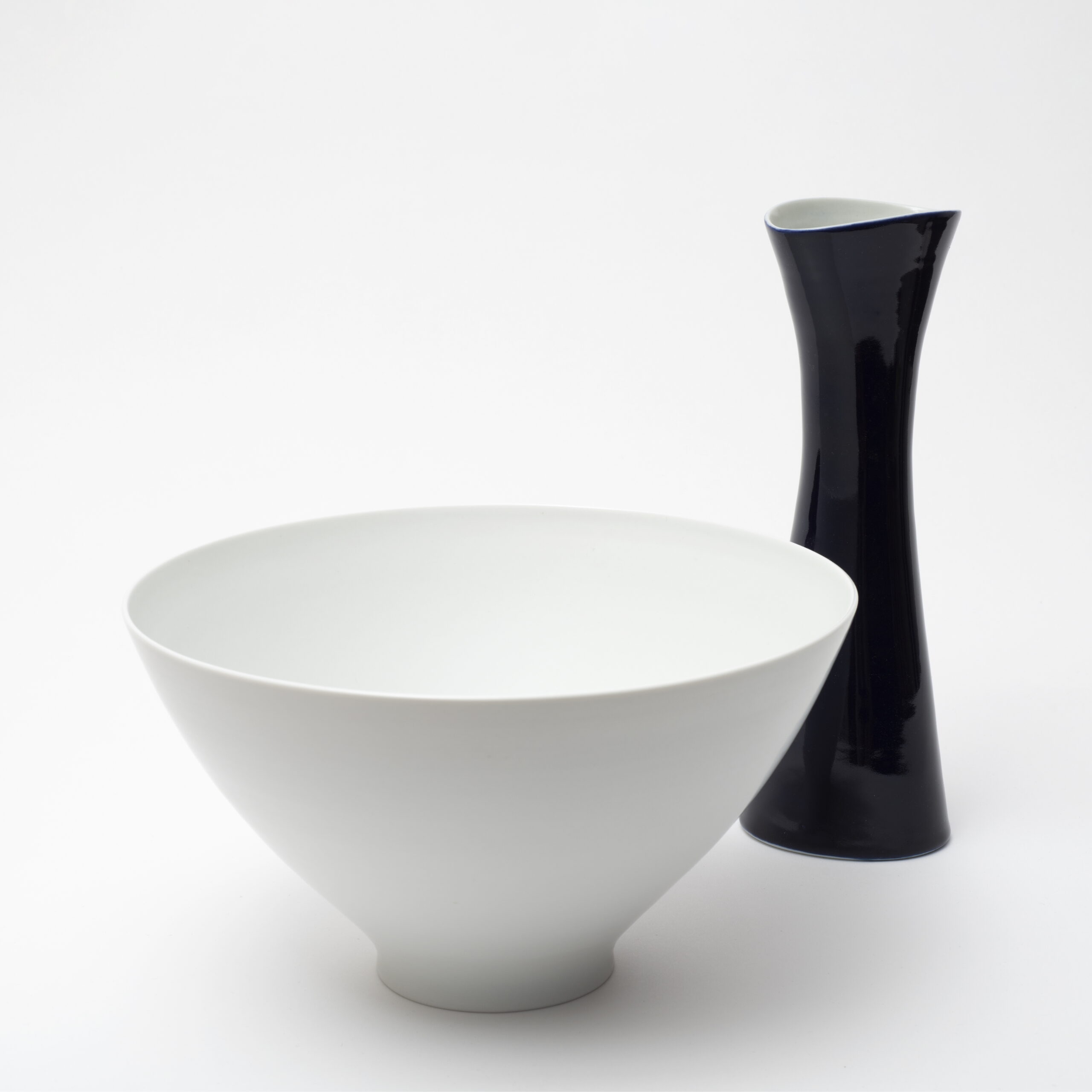
How would you describe the gallery’s philosophy, and how has it evolved since its opening in 2019?
The gallery’s philosophy is to offer collectors and enthusiasts alike an opportunity to engage with contemporary work that honours both innovation and timeless quality. Incorporating all the visual arts: painting, photography, film, textiles, ceramics and sculpture together with refined functional pieces. We present work that blurs the traditional boundaries between disciplines.
The philosophy remains the same just the roster of represented artist and opportunities has grown significantly.
 Sabine Marcelis, Slide Light, Toffee, 2023-ongoing, cast resin, LED, 70 x 20 x 26 cm, Edition of 8 plus 2 AP
 Sabine Marcelis, Slide Light, Toffee, 2023-ongoing, cast resin, LED, 70 x 20 x 26 cm, Edition of 8 plus 2 AP
Your upcoming exhibition brings together design and objects. How does ‘Fine Design and Objets d’art’ reflect the gallery’s mission to bridge contemporary art and collectible design?
Fine Design and Objets d’Art is a carefully curated exhibition celebrating the intersection of artistic excellence and functional beauty. Bringing together gallery artists from around the world, this exhibition showcases practitioners working at the pinnacle of their respective fields, each pushing the boundaries of art, objects, and design with distinctive vision and mastery.

Installation Image, Fine Design and Object d’Art, Pictured: Izabela Pluta, Prue Venables, Edward Waring, Tibet Sydney, Gallery Sally Dan-Cuthbert, Photography Simon Hewson.
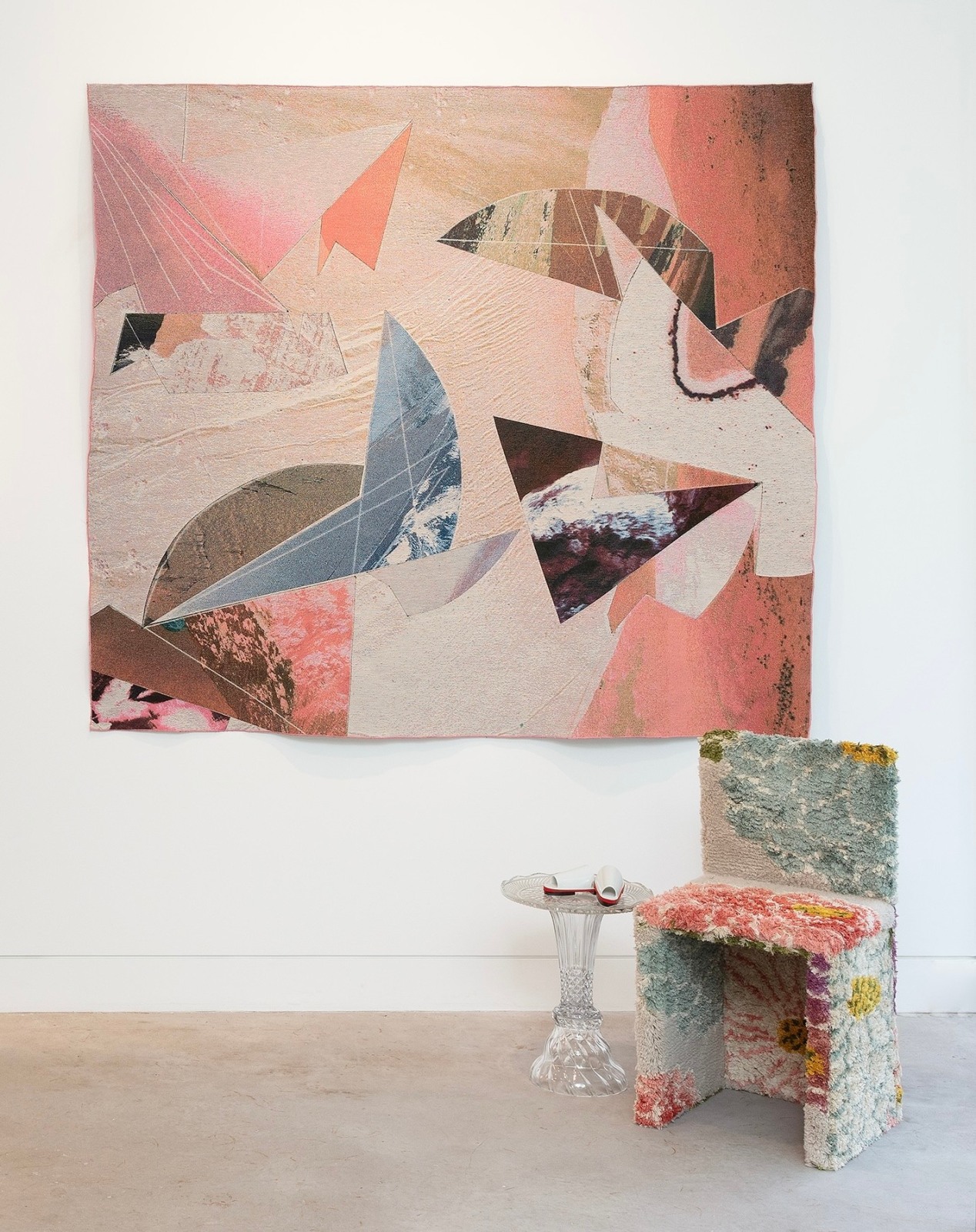
What conversations or reflections do you hope people take from ‘Fine Design and Object d’art’?
The exhibition invites a return to the thoughtful, holistic approach to living with art, the ethos of the gallery. It revives the spirit of a golden age when artists of all disciplines coalesced, and homes were layered with carefully chosen pieces, where collections reflected the full spectrum of creative expression beyond paintings alone. These artists share a commitment to exceptional craft and conceptual rigour, creating pieces that are as contemplative as they are exquisitely made.
Looking ahead, what exhibitions, collaborations, or projects are you most excited about, and what can audiences look forward to from the gallery in the coming year?
Fine Design and Objets d’Art sets an inspiring tone for the gallery’s year ahead. In March, we present Tammy Kanat’s debut, solo exhibition, followed by rising star, Olive Gill-Hille’s third solo exhibition. Straight after her opening at the NGV with Cartier, Sabine Marcelis presents exquisite new art and design pieces in the gallery in June. In the second half of the year, we present female doyens of Australian art – new paintings by Sally Smart, then Gabo: light works by Donna Marcus, and the gallery’s much anticipated, first solo exhibition by Loewe Foundation Craft Prize finalist, Prue Venables.
The gallery will also participate in major fairs, including Sydney Contemporary and Aotearoa Art Fair. We have artists participating in important local and international museum exhibitions and biennales. We are excited that a number of major public works and private commissions will also come to fruition.
Critically, we look forward to continuing our engagement in and out of the gallery in deep and meaningful ways with our artists, curators, writers and collectors to support the broader arts community.
Fine Design and Objets d’Art continues until 8 March
@gallerysallydancuthbert
sallydancuthbert.com
Curator Tim Riley Walsh unpacks Primavera 2025 as a charged snapshot of the present. Blending research and curiosity, we discuss an exhibition shaped by material intensity and the strange distances of life in a digital, post-industrial world.
Featuring five emerging artists from across Australia, Primavera becomes a site of friction and feeling, where sculpture, ambivalence, and making take centre stage.
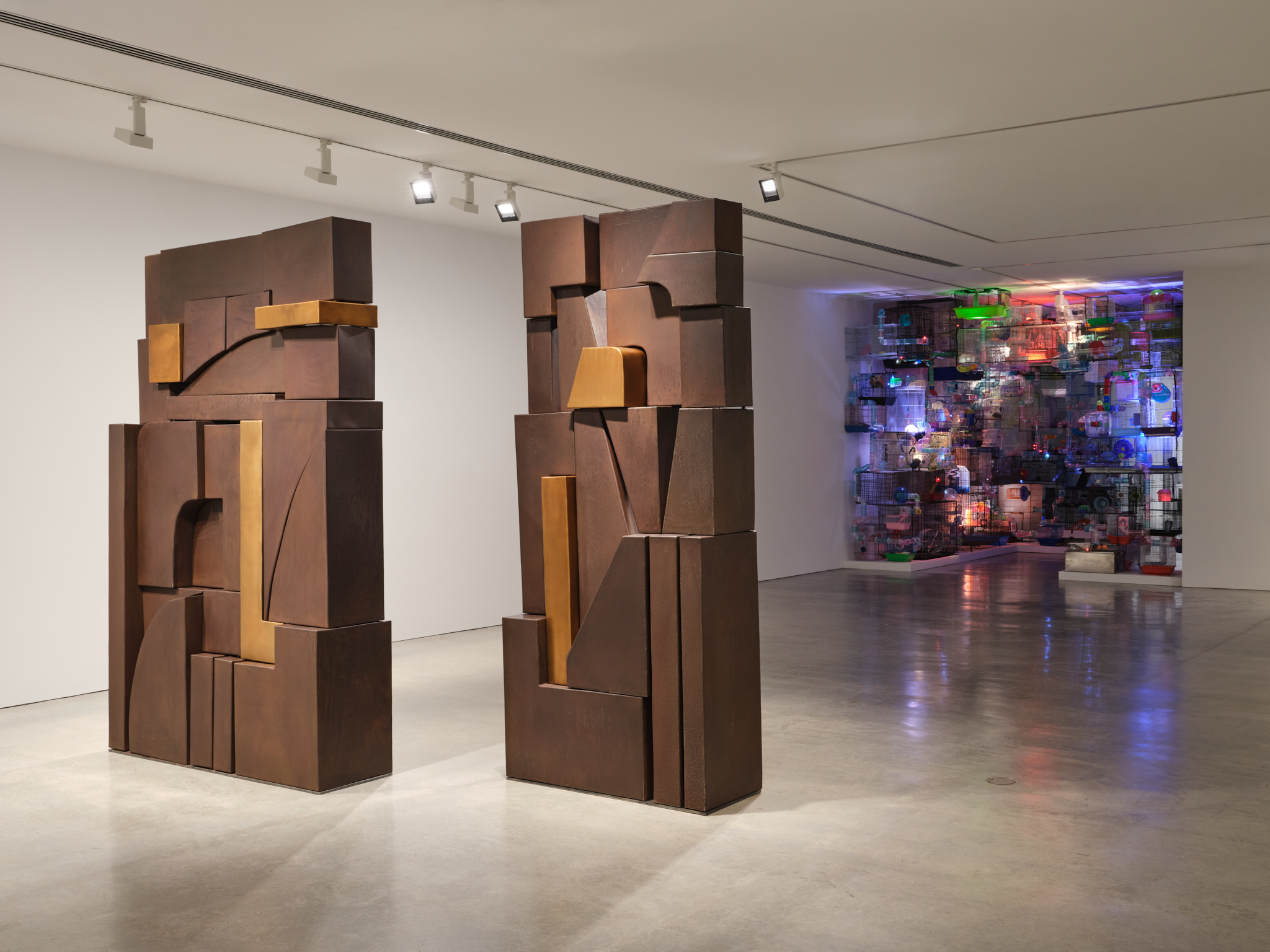
Installation View, Primavera 2025: Augusta Vinall Richardson (front), Emmaline Zanelli (rear). Image: Hamish McIntosh.
How would you best describe this year’s Primavera?
Primavera is an exhibition series that began at the MCA Australia in 1992 – it has an incredible legacy. Over 250 artists have exhibited. 30 curators have participated. The series has an engrained rhythm and remit: annually celebrating young Australian artists 35 years or under.
This year’s Primavera features five artists: Francis Carmody (NSW/VIC), Alexandra Peters (VIC), Augusta Vinall Richardson (VIC), Keemon Williams (QLD), and Emmaline Zanelli (SA). The exhibition reflects what young artists are concerned with right now: labour, extraction, technology, the digital and production. But this exhibition is also strongly materially-focused, even fixated. There is an industrial quality to many of the works, it is a very physical exhibition. It is overtly a celebration of what I see as a renewed interest in sculpture and installation.
Mood is something I increasingly want to express in the exhibitions I curate. I’ll defer to some of the descriptions of this exhibition shared with me by others: brutalist, ominous, and muscular. A colleague summarised the overriding sensation as being ruled by distance and removal – which sits in contradiction with these artworks’ physical immediacy. Ambivalence interests me greatly as a person. I think that is where a lot of magic is found.
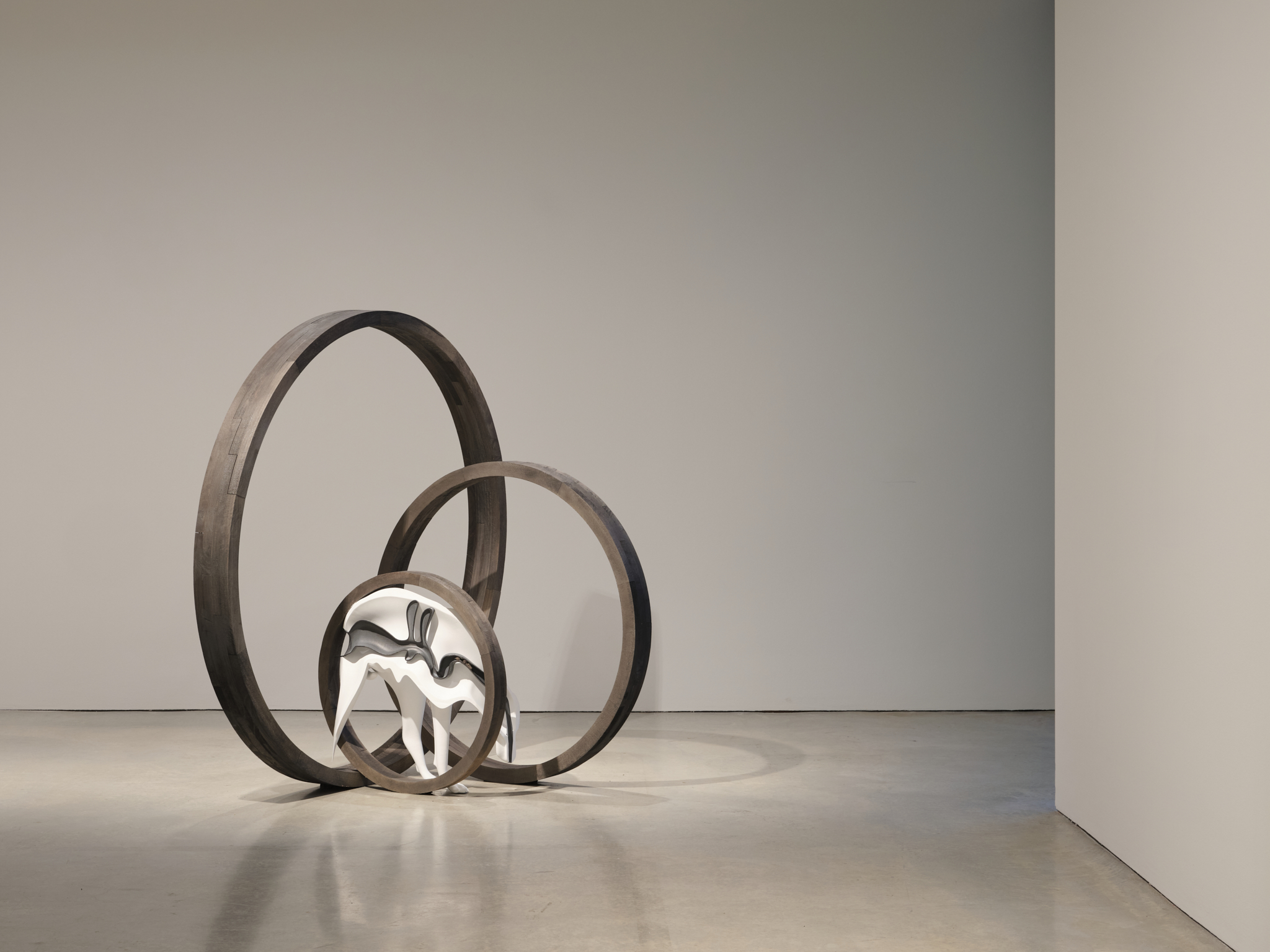
Francis Carmody, Canine Trap (I), 2025. Image: Hamish McIntosh
How did you approach the exhibition development?
I come from an academic background, trained in art history, but grew up in an artistic household. I’d like to think I blend the qualities of both in my curatorial approach.
My process is initially largely instinctive. It is focused on the contemporary. The impetus for my projects emerges from everyday life – the news, literature, popular culture, and of course, art. They begin with what I’d call suspicions. Often about how human behaviour and the world might be changing. I then go out and test this instinct. I observe how current events and actions might confirm or challenge it. From there, I do deeper research into its genealogy to understand where it grew from.
The art might key into the outcomes of my suspicion closely, or it might disagree with it entirely. The exhibition bottles all of that friction and presents it.
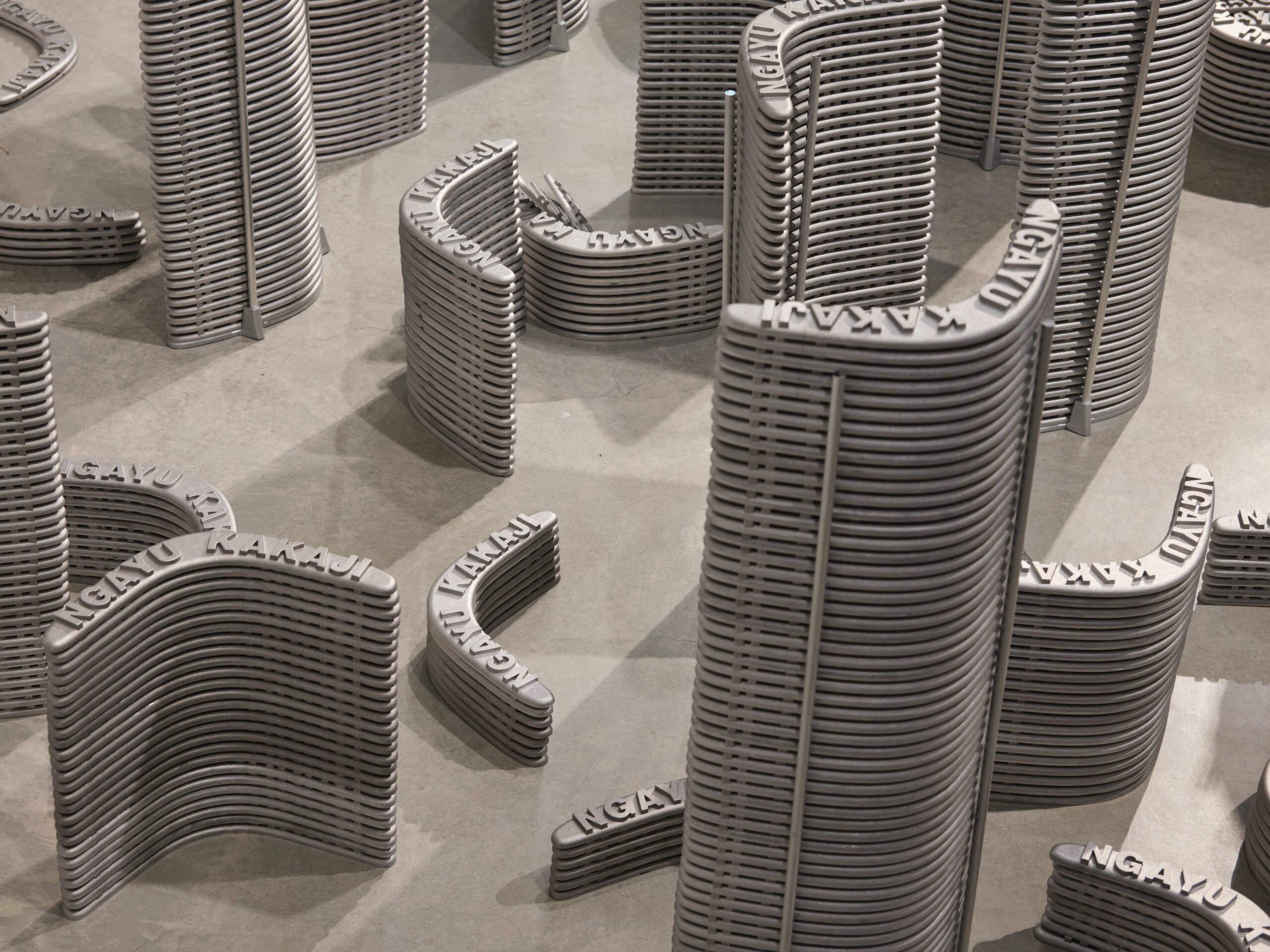
Keemon Williams, Business is Booming (detail), 2025, installation view. Image: Hamish McIntosh
This year’s Primavera focuses on making in a “digital and post-industrial era.” What drew you to this theme, and why do you feel it speaks strongly to the experience of young Australian artists today?
I think what sets apart a single exhibition in a long-running exhibition series like this is its point of view, a sense of cut-through. My leading suspicion in Primavera was what I was calling ‘industrial abstraction’. That the objects that structure our lives today are becoming more mysterious to us, how they are made and function – think of the iPhone for example – and that this state of distance is, in multiple senses, manufactured.
The post-industrial era isn’t new – some might even feel it’s a little outdated. I’m curious how its conditions have changed and its level of visibility. It is not unusual to go through a day now and not make anything new in physical space. If we do produce something ‘new’, it is more often immaterial. A playlist. A carousel of images. A vibe.
I was drawn to the idea of industry because it has strong connections to themes in art history. The factory and production, their ties to pop art and constructivism. Thus, the exhibition features a lot of seriality, for obvious reasons. But I was also drawn to the idea because I feel the distance from making myself. I hope the feeling is relatable too.
Artists are especially sensitive towards the world. As a species, humans understand through knowing a thing’s components or ingredients. Artists make every day – and so I turn to them and their art for guidance through the present.
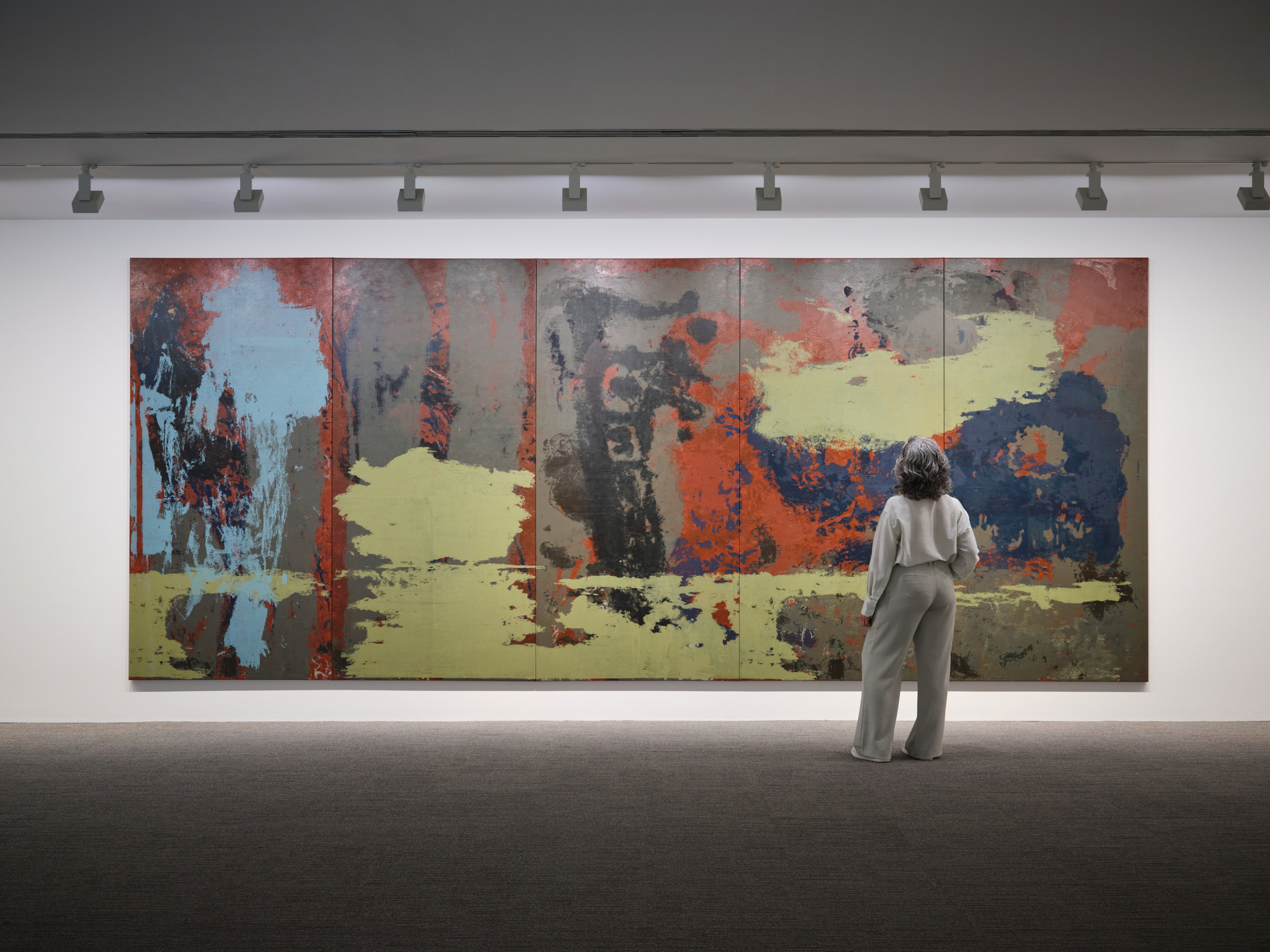
Alexandra Peters, Defenestration (Autoantibodies) as part of The Infinite Image, 2025, installation view. Image: Hamish McIntosh
The show includes artists from several states and very different cultural contexts. What tensions or surprising connections emerged as you researched and met with artists across the country?
On a practical level, Primavera is grounded in a concentrated period of research travel around the country. I met with over 50 artists across seven states.
A studio visit can be an amazing thing. Artists are so open. A lot developed through these encounters and my preconceptions being overturned or troubled. An artist list for the exhibition then starts to emerge from there: which artists might work well in dialogue, but also as counterpoints or even in friction. The promise of what an artist might make or where their energy is currently directed excites me.
Mustering all of those forces and then directing them towards their realisation on opening day is a wild, joyous ride.
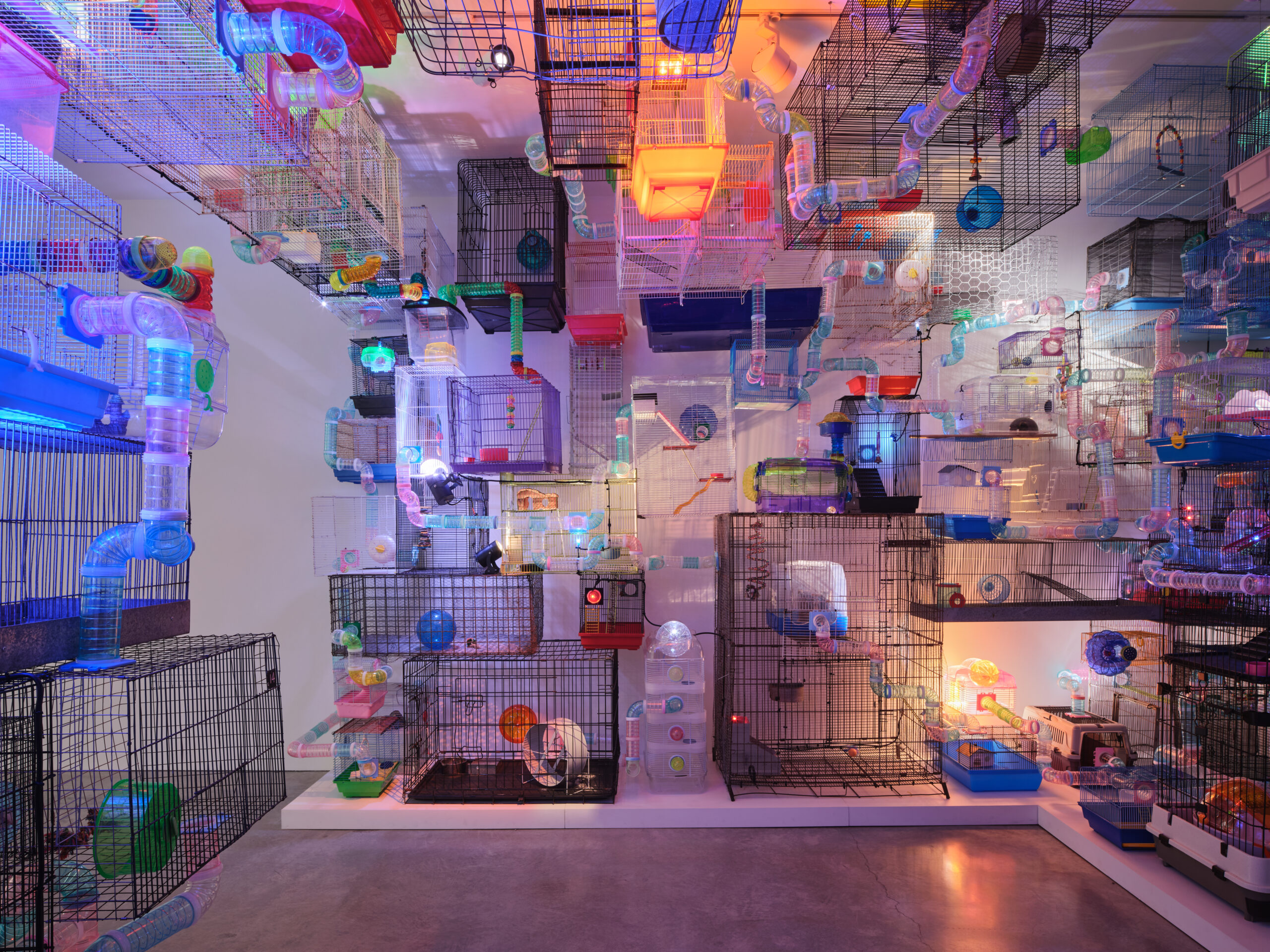
Emmaline Zanelli, Magic Cave, 2024/2025, installation view. Image: Hamish McIntosh
What do you hope audiences will take away from Primavera 2025?
The vitality of contemporary Australian art and the innovation of the young artists in this place. Hopefully a sense of confidence in the ongoing relevance of art to reflect the present. That it makes visible something which has been clouded. That it resonates with a feeling they might have about their own worldview right now.
Primavera 2025: Young Australian Artists continues Museum of Contemporary Art Australia, Sydney until 9 March
