
Interior designer and Folk Studio co-founder Mariah Burton shares her top Sydney picks. From quiet coastal retreats and creative inner-west hubs to design-led local haunts, she has your guide to the city covered.
To Mariah, Sydney is a dynamic mosaic of distinct suburban personalities where you can shift seamlessly from the calm, golden shores of the Northern Beaches to the electric, creative energy of the Inner West. Defined by its human-centred warmth, vibrant independent spaces, and rich local artistry, it’s a city built on community and connection that makes every neighbourhood feel like a new discovery. Hear from Mariah on Friday, 4 September, 12pm for Small Space, Big Collection within the Sydney Contemporary Talks Program.
Photo: Jacqui Turk, courtesy Folk Studio
What makes Sydney stand out as a cultural destination?
I think Sydney’s suburbs are incredibly diverse in what they offer. Every neighbourhood has its own distinct character and atmosphere, often feeling completely different from the next, which is something I think makes Sydney really unique. You can move just a few suburbs over and experience a totally different pace, architecture, community and lifestyle, and I love that sense of variety within one city.
If you have friends visiting from outside of town, what are you adding to their itinerary?
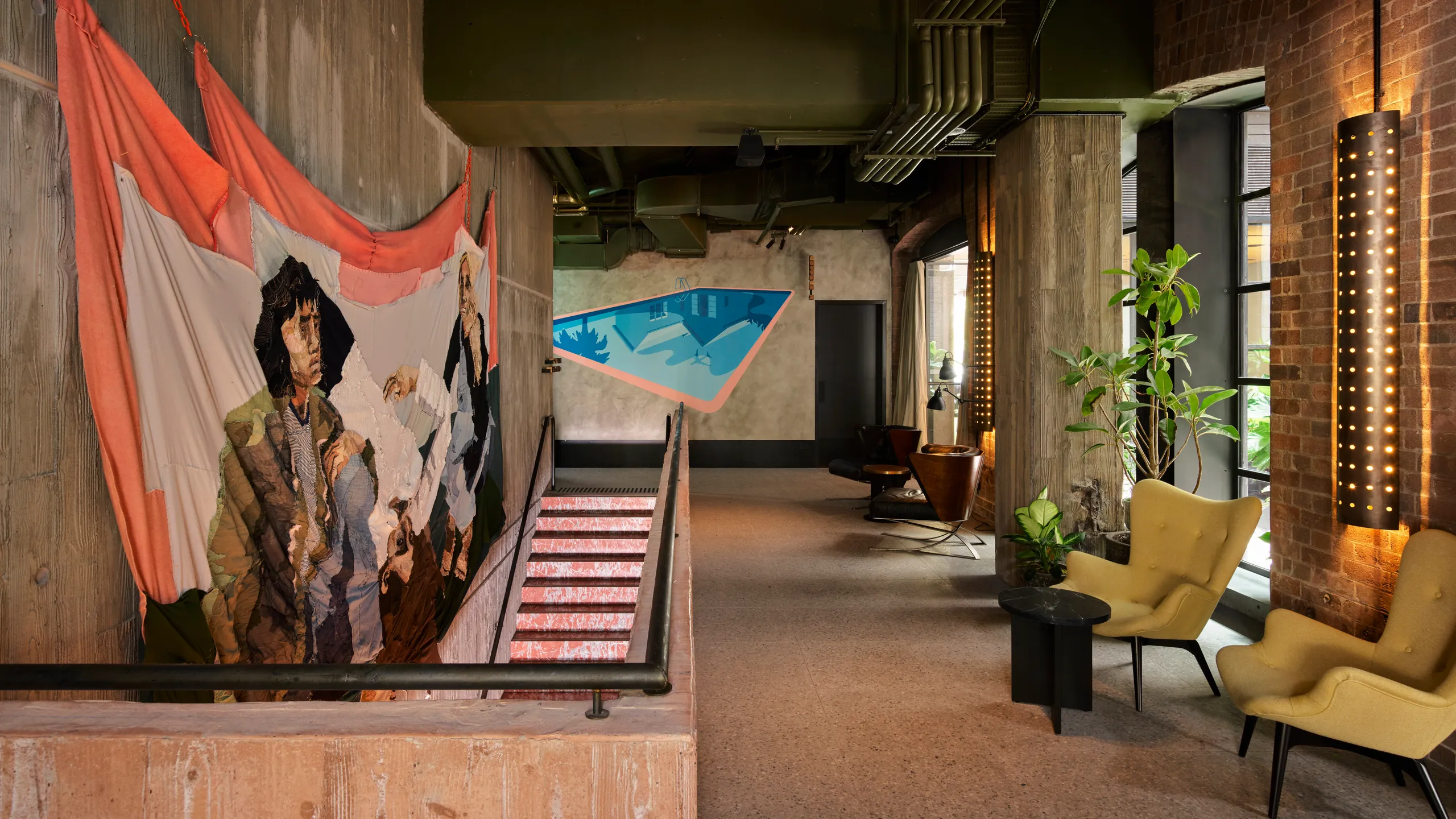
If you’re in Sydney during summer, I always recommend spending a day in Avalon, exploring some of the hidden beaches along the Northern Beaches before making your way down to Manly for dinner. Stay at the Ace Hotel while you’re here and spend a few days discovering Sydney’s incredible mix of hidden bars, neighbourhood restaurants and great cafés. It’s the best way to experience the city beyond the usual tourist spots.

Ace Hotel. Left: Julia Gutman, Once More with Feeling, 2021/2022. Back: Joanna Lamb, Pool, 2022. Photo: Anson Smart.
What cultural events or exhibitions coincide with Sydney Contemporary that you recommend?
A close friend of mine is curating a show at Hake Gallery in September with some amazing artists, which will be a worthwhile exhibition to visit.
What are some places, people or experiences in Sydney currently inspiring you?
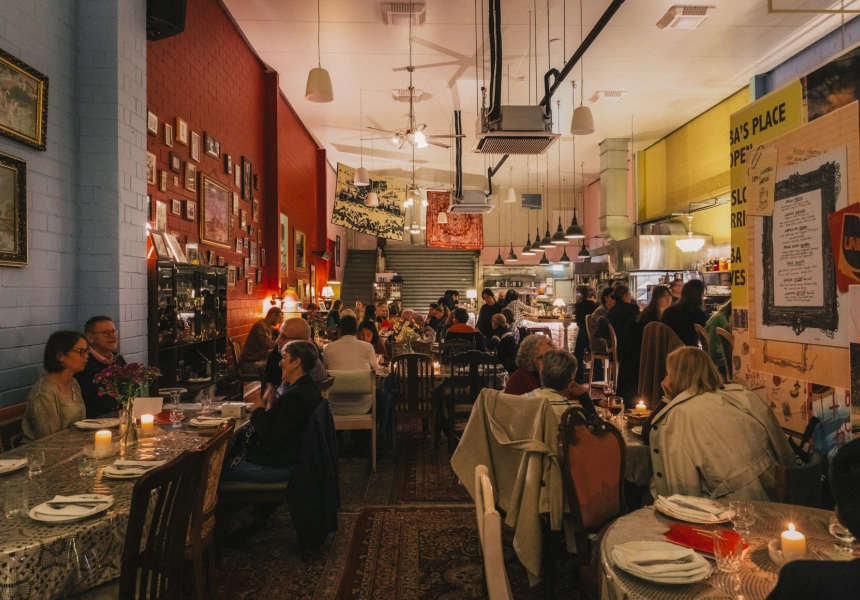
Our office is based in Marrickville, and I absolutely love the energy of the area. It has such a strong sense of community, with an incredible mix of creative people, independent businesses and great food. There’s always something worth checking out, whether it’s a meal at Baba’s Place, coffee at Two Chaps, or a visit to Superfreak. It’s one of those suburbs where you can spend an entire day wandering and constantly discover somewhere new.

Baba’s Place, Image: Chad Konik, courtesy Broadsheet.
Do you have a favourite public art installation or mural in the city?
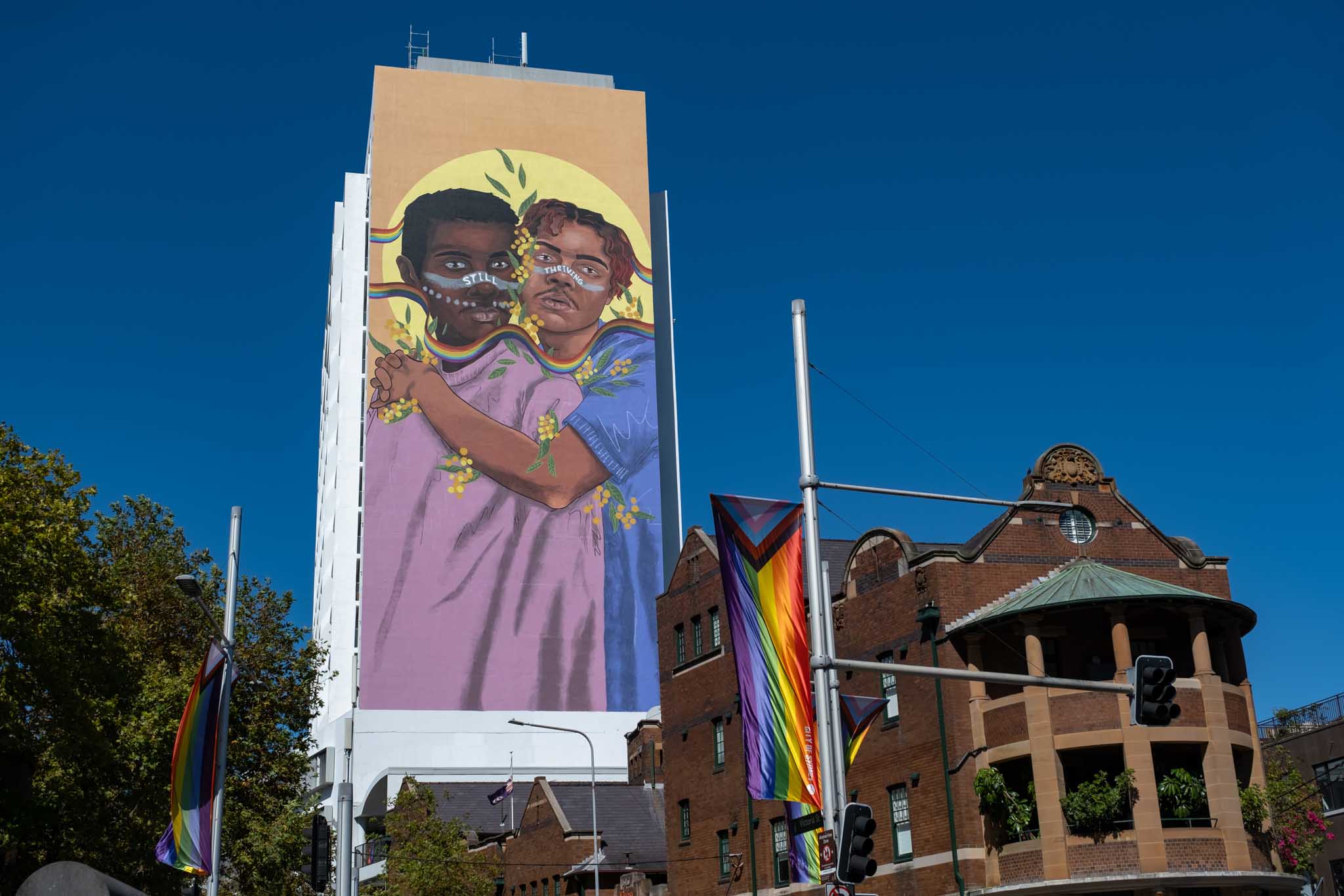
I love the First Nations mural in Redfern ‘Still Thriving’ by Dylan Mooney.
After a day of exploring Sydney Contemporary, where would you go for dinner and drinks to continue the evening?
Emma’s Snack Bar is always a great atmosphere and it feels like you’re having a big family dinner.

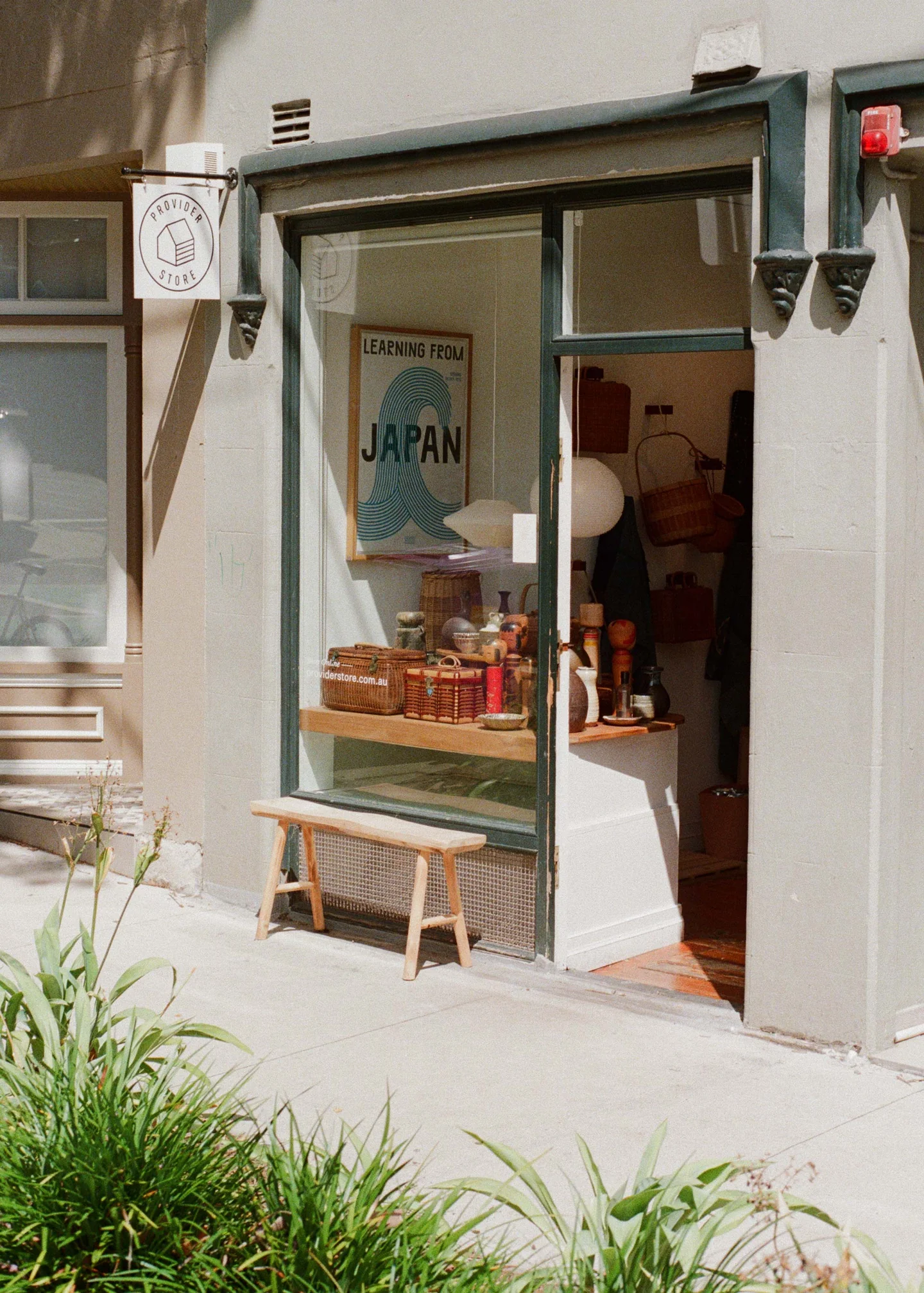
Image Courtesy Provider Store
A hidden gem?
Paradise Beach in Avalon and Provider Store in Surry Hills.
Sydney Contemporary returns to Carriageworks from 3 – 6 September.
@mariah.burton_
folkstudiodesign.com
Design writer, editor and long-time observer of contemporary culture, Stephen Todd shares the artists, galleries and conversations he’ll be making a beeline for at Sydney Contemporary’s 10th edition. From must-see booths and ambitious installations to the talks not to miss, here’s what’s on his radar.
Booths
Fox Jensen is my go-to gallery for intellectually rigorous international artists filtered through the personable lens of gallerists Emma Fox and Andrew Jensen. Frankly, I covet one of German painter/sculptor Jan Albers’ chromatic wall-mounted ‘constructions’ which appear so dynamic as to make a room dance – as if absolutely everyone is watching.
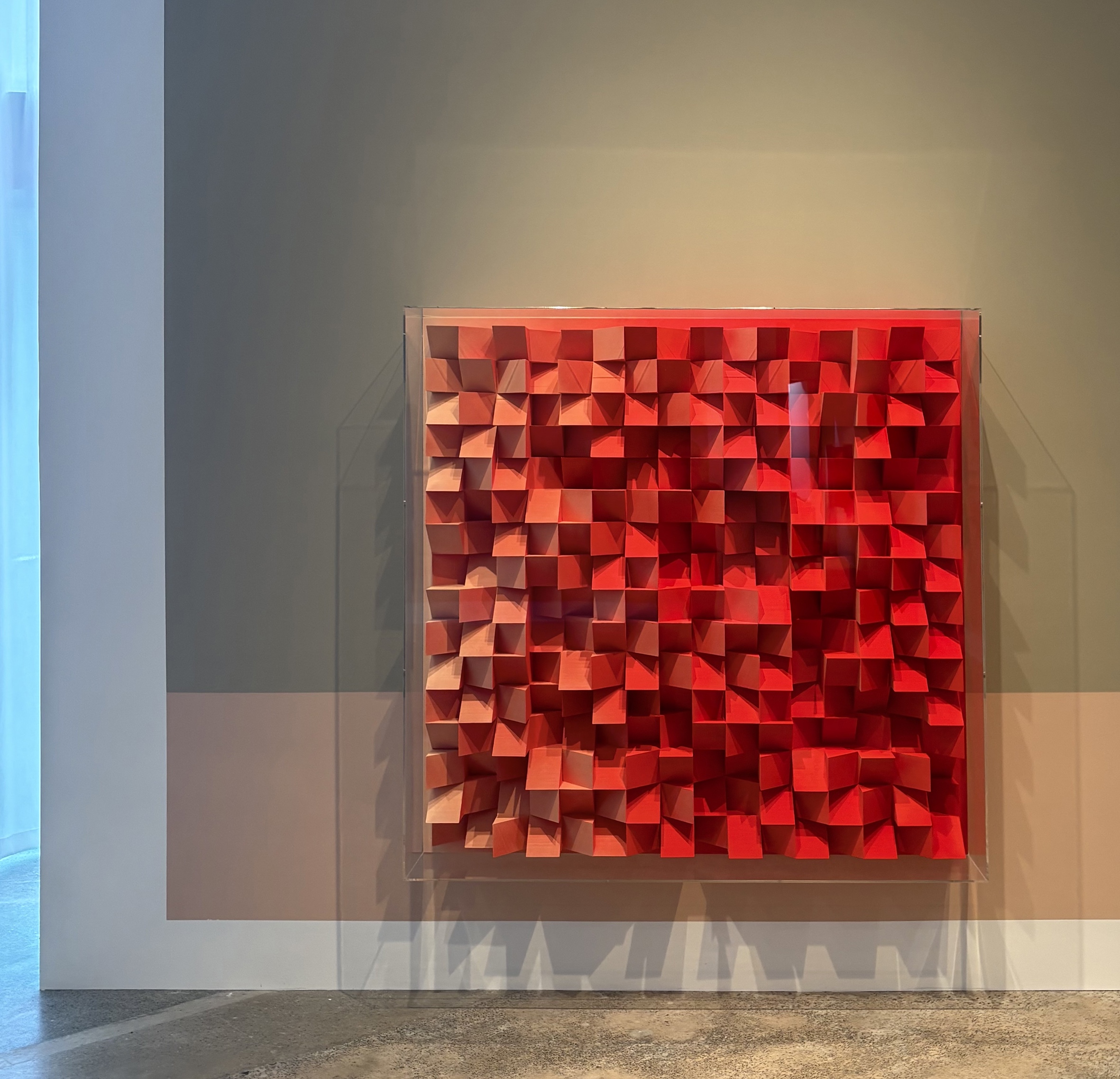
Pictured: Jan Albers, stRawbeRRyfields, 2024 Spray paint on polystyrene and wood, acrylic box, 171 x 171, 29cm
Sally Dan-Cuthbert is showing sensual hand-carved timber pieces by Perth artist Olive Gille-Hille and I am there for these stoic mini monoliths that act like evocative totems for the home.
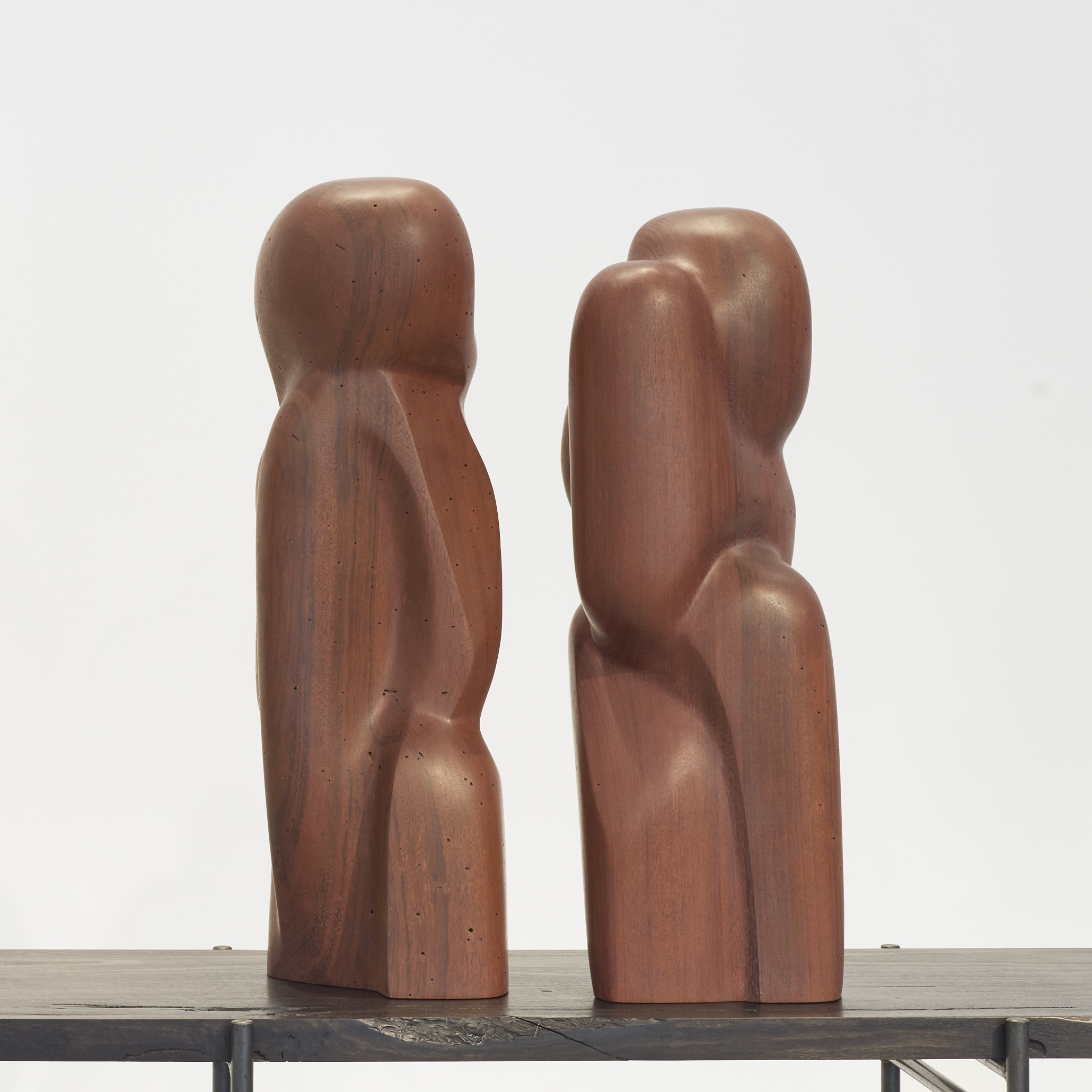
Pictured: Olive Gill-Hille, Figure IVV. Courtesy of the artist and Gallery Sally Dan-Cuthbert.
MARS Gallery, I’m looking forward to seeing The Huxleys because the world could do with more unadulterated campery right about now, and this Melbourne duo serves it up in bedazzled dollops.
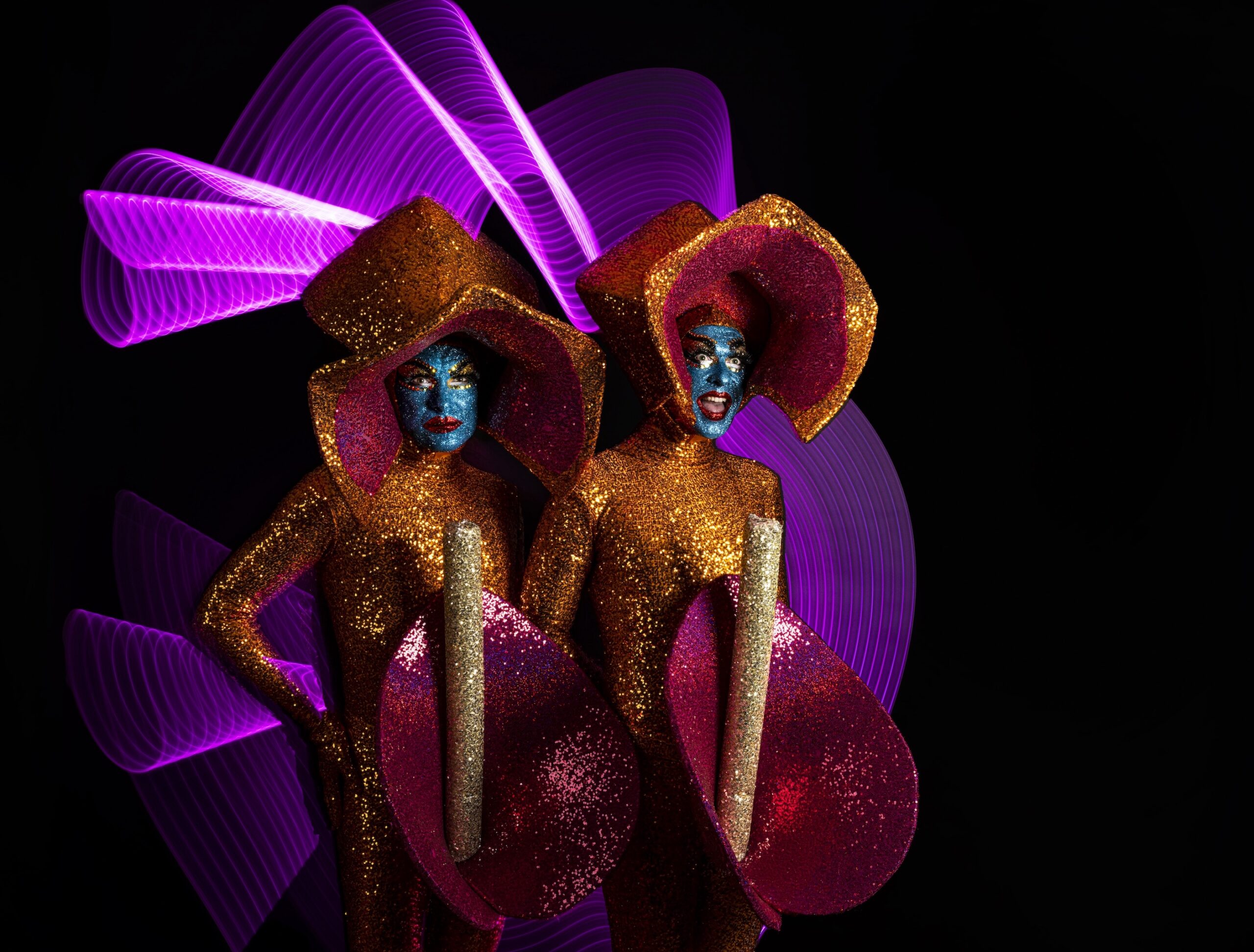
Pictured: The Huxleys, Nocturnal Bloom, 2026, from the series Radical Joy. Courtesy of the artists and MARS Gallery.
I love the way Cassandra Bird hangs work in ways that bring out aspects or attributes I had not suspected or expected. And I am excited to see pieces by three artists of Indigenous ancestry, Grace Lillian Lee, Danie Mellor and George Cooley, through a uniquely Bird’s eye view.
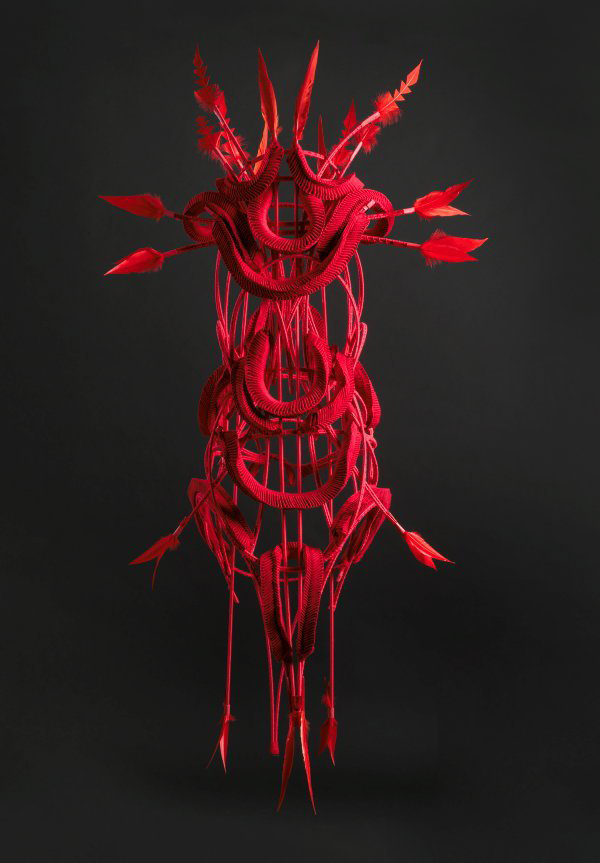
Pictured: Grace Lillian Lee, Belonging 3, 2022. Courtesy of the artist and Cassandra Bird.
It simply would not be Sydney Contemporary without Sullivan & Strumpf bringing the presence of iconoclastic ceramicist Ramesh Mario Nithiyendran. I missed out on one of his adorable gold-dipped clay statuettes last year and am hoping they might make a comeback for a victory lap right into my inevitable tote bag.
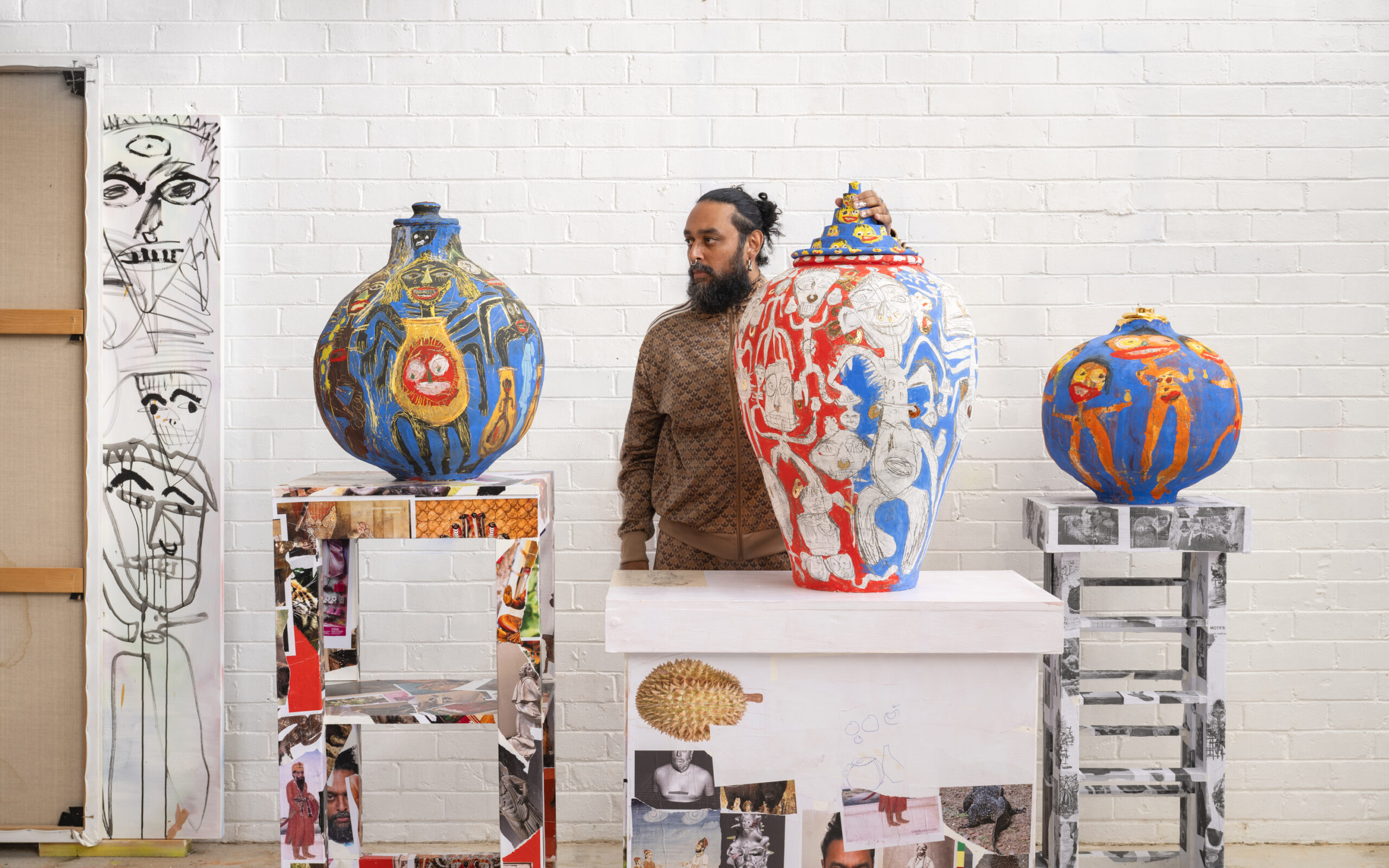
Pictured: Ramesh Mario Nithiyendran, Studio portait with Liquid Vessels 7, 11, 12, 2026. Photography by Mark Pokorny
Installations
The Reko Rennie installation at the new Sydney Fish Market is bound to be a retina-spinning experience, and will riff nicely on the permanently installed heavy-metal polychromatic ‘playground’ by sculptor Mike Hewson, who has also been invited to take over the Sydney Contemporary Café for the duration of the Fair.
Pictured: Reko Rennie, supplied by Ames Yavuz.
Talks
Curated by Mitchell Oakley-Smith, you could drop me off at any one of the Sydney Contemporary Talks and you’d not hear a peep out of me for the duration. Of particular interest will be ‘Small Space, Big Collection’ since the first is my reality, the second my ambition.
About Stephen Todd
Design Editor, The Australian Financial Review.
Stephen Todd began his writing career in Paris in the early 90s where he was immersed in the worlds of fashion, art, architecture and design. He has contributed to papers such as The New York Times and The Guardian. Today he is the Design Editor of the Australian Financial Review and the Head of Publishing at Powerhouse Museum.
As the home of Sydney Contemporary, Carriageworks is much more than the venue for Australasia’s premier art fair. Housed within one of Sydney’s most distinctive heritage buildings, it has become a cultural destination in its own right, presenting a year-round program of exhibitions, performances, festivals and public events. We spoke with Andrew Demetriou, Director of Commercial and Venue Partnerships at Carriageworks, for his guide to experiencing Sydney’s creative side – from must-visit exhibitions and neighbourhoods to his favourite places to eat, drink and explore during Sydney Contemporary.
What makes Sydney stand out as a cultural destination?
Punching far above its size, Sydney is a melting pot of diversity and creativity. No other city has a comparable calendar of constant creative and cultural activation across the year – often free or affordable and always accessible, bringing people across the city and from afar together to celebrate.
What cultural events or exhibitions coinciding with Sydney Contemporary should visitors make time for?
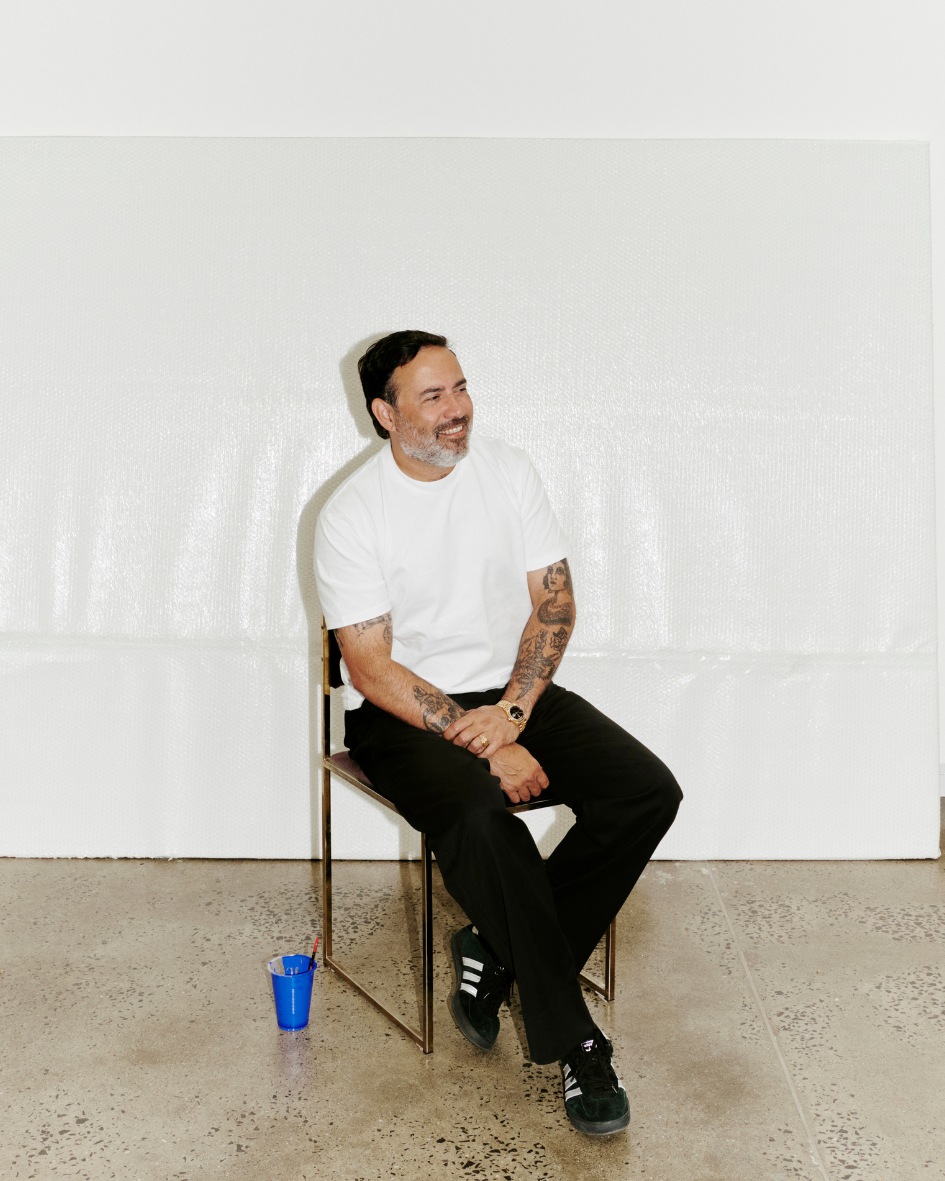
No trip to Sydney is complete without a visit to the iconic Carriageworks Farmers Markets (every Saturday 8am – 1pm). Visitors should definitely spend a day in the CBD and Sydney Harbour with stops at the MCA to visit Tony Albert’s ‘Not A Souvenir’ and MCA X Tate; and the Art Gallery of NSW to see its vast collection, notably Yiribina Gallery’s First Nations collection within the spectacular new Naala Badu building.
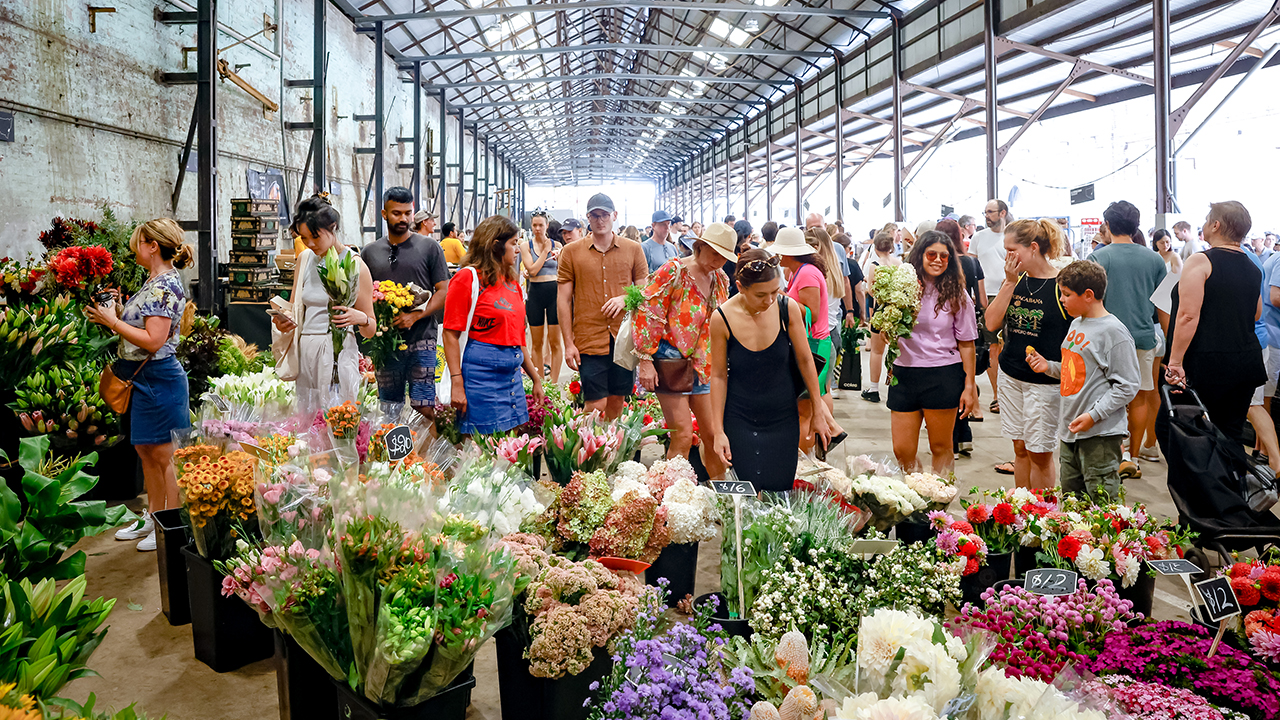
Photo: Carriageworks Farmers Market
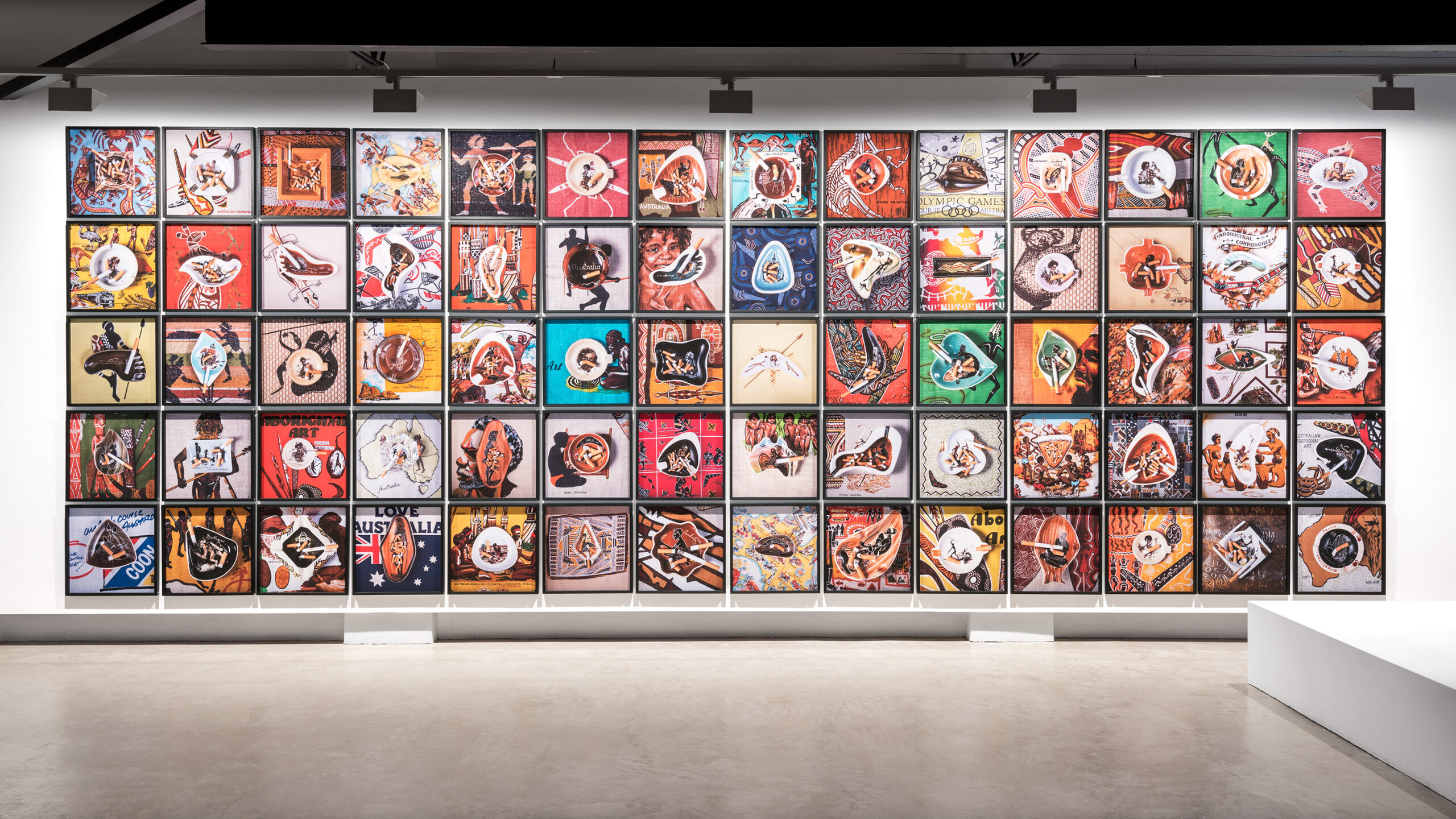
Photo: Tony Albert, Mid Century Modern, 2016, Collection, HOTA Gallery, gifted by the citizens of the Gold Coast to future generations, 2016, image courtesy of the artist and Sullivan+Strumpf, photograph: Mark Pokorny
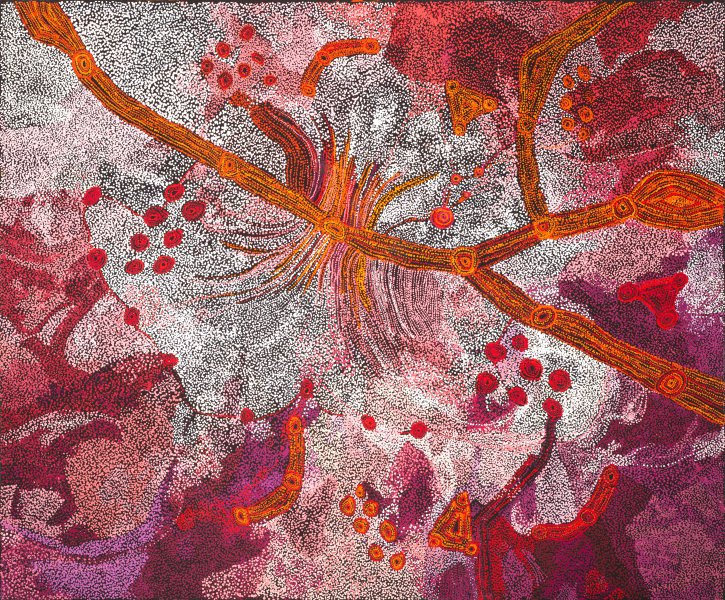
Photo: Yiribana at The Art Gallery of NSW: Sylvia Ken, Seven Sisters, 2019, synthetic polymer paint on linen, 200.0 x 240.0 cm.
In your opinion, what is it about Carriageworks that makes it such a special place to experience contemporary art?
Carriageworks is Sydney’s heart of creativity – we present a year-round program of major events and exhibitions, festivals and markets, concerts and performances. Supporting creatives and bringing together diverse communities within our distinctive industrial spaces, there’s no more fitting or spectacular backdrop for Sydney Contemporary as Australasia’s premier art fair.
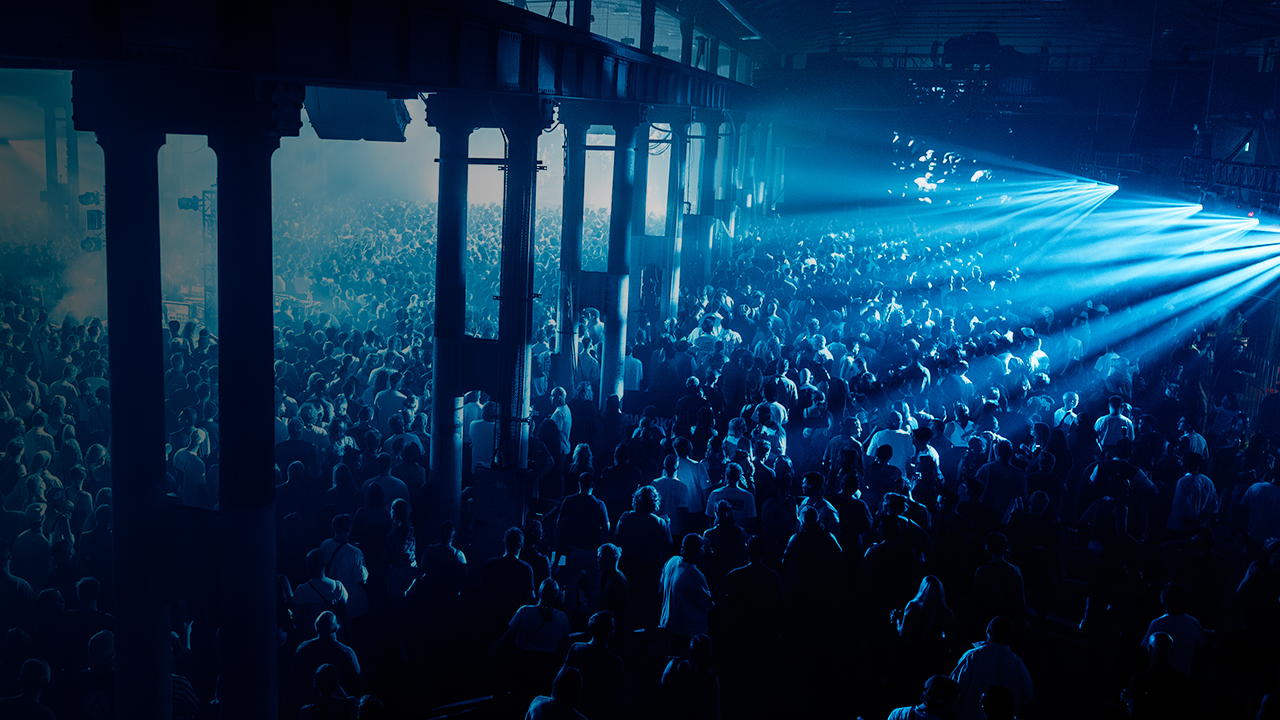
Photo: Carriageworks
After a day at the Fair, where are you heading to for dinner and drinks in the area?
The Inner West, Sydney’s night playground is walk away – no Fair experience is complete without dinner in Newtown (ANTE for amazing Japanese food and sake, Bella Bruta for Sydney’s best pizza, and cosy neighbourhood favourite bistro Café Paci). Followed by a night out in buzzing Enmore (Margaritas at new bar Super 44, Silvers for whisky and cocktails, Femelia for female-led curated wines and martini bar Bar Planet).
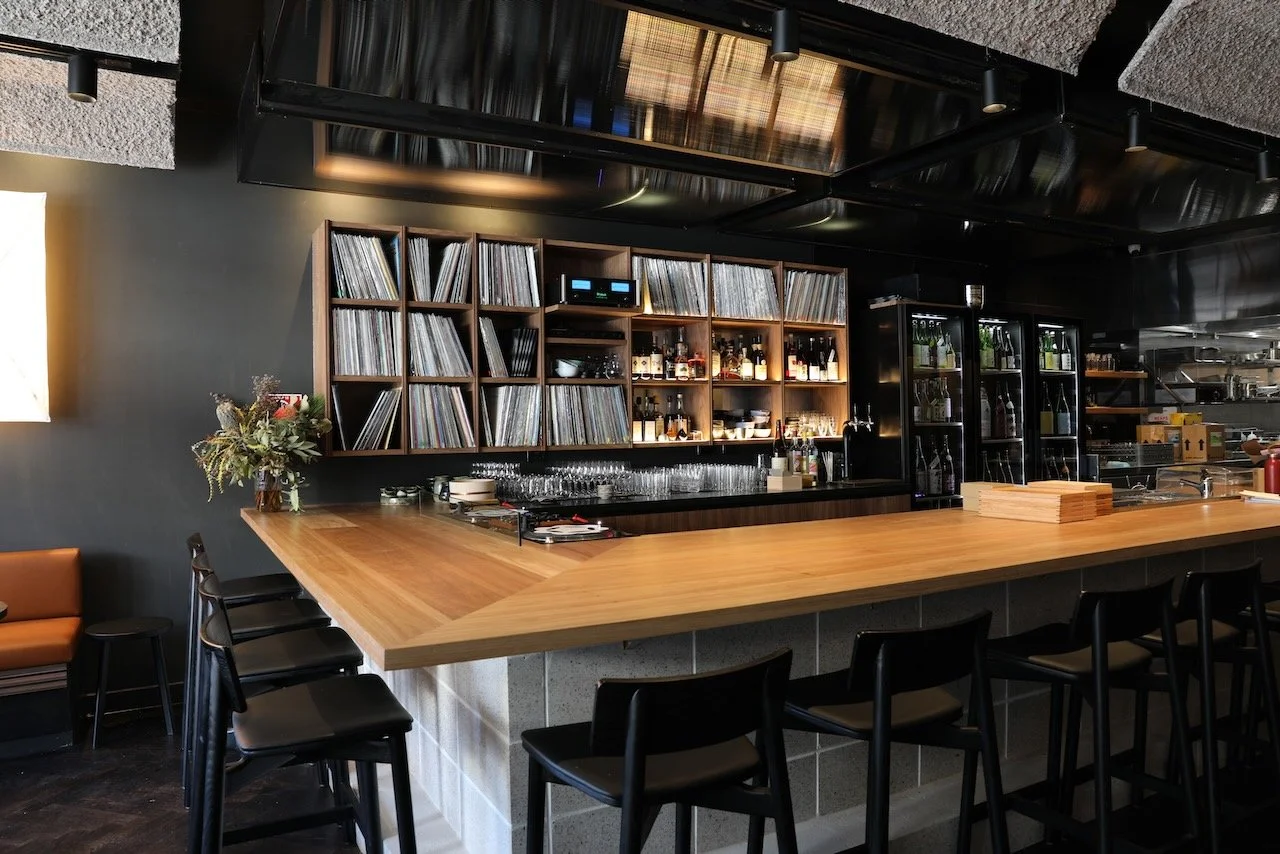
Photo: ANTE, Sourced ante.com.au
Which Sydney neighbourhood best captures the city’s creative spirit?
Sydney’s Inner East – Home of Sydney’s galleries, boutiques, best bars, restaurants and clubs intersecting Darlinghurst, Paddington, Potts Point and Surry Hills.
What’s one hidden gem in Sydney you think more people should know about?
Pleasure Club – Underground speakeasy in Newtown with live music and performance art with a killer cocktail list, open until 4am for a Sydney night of debauchery.
About Andrew Demetriou
Andrew is Director of Commercial and Venue Partnerships at Carriageworks, one of Australia’s most significant creative industry hubs, where he leads venues and commercial strategy, major events, venue partnerships and public event programming. He leads development of Carriageworks’ program calendar to expand its extensive creative program and international reputation as a leading cultural precinct, hosting major global large-scale events, festivals, exhibitions and film productions. Major partnerships managed include Sydney Contemporary, Vivid Sydney, Sydney Writers Festival, Australian Fashion Week, Festival of Dangerous Ideas and Sydney Gay and Lesbian Mardi Gras.
About Carriageworks
Carriageworks is one of Australia’s most significant creative industry hubs, renowned for its dynamic cultural events, performances, and exhibitions. Housed in a historic railway workshop in Sydney on Gadigal Country, Carriageworks offers a vibrant platform for theatre, music, dance, food events, kids programming and more, collaborating with leading local and international artists to foster innovation and creativity in its distinctive industrial setting.
@carraigeworks
carriageworks.com.au
With more than 100 galleries presenting work across painting, sculpture, photography, installations and more, Sydney Contemporary rewards curiosity. We asked the Editor of Art Collector to share a selection of the artists, booths and talks they’ll be making time for at this year’s Fair.
Image: Bridget Stehli, the innocent witch, 2025, 35.5 x 28 cm. Photo by Hamish Macintosh. Courtesy of the artist and Nasha Gallery.
Booths
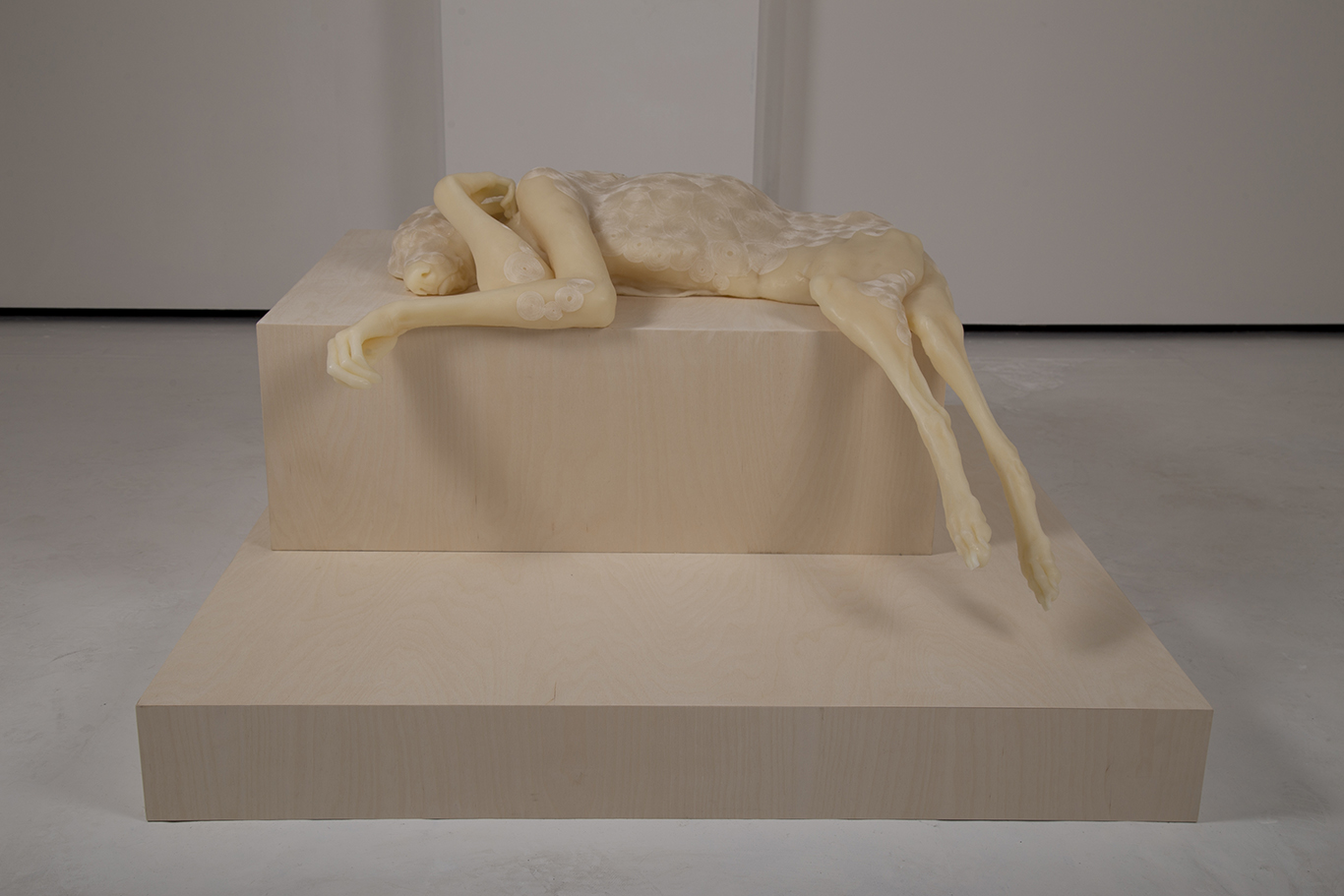
At Futures
Bridget Stehli is a fresh voice that mines the kitsch of 1970s and ’80s pop culture producing work than more than earns its place in the Futures sector.
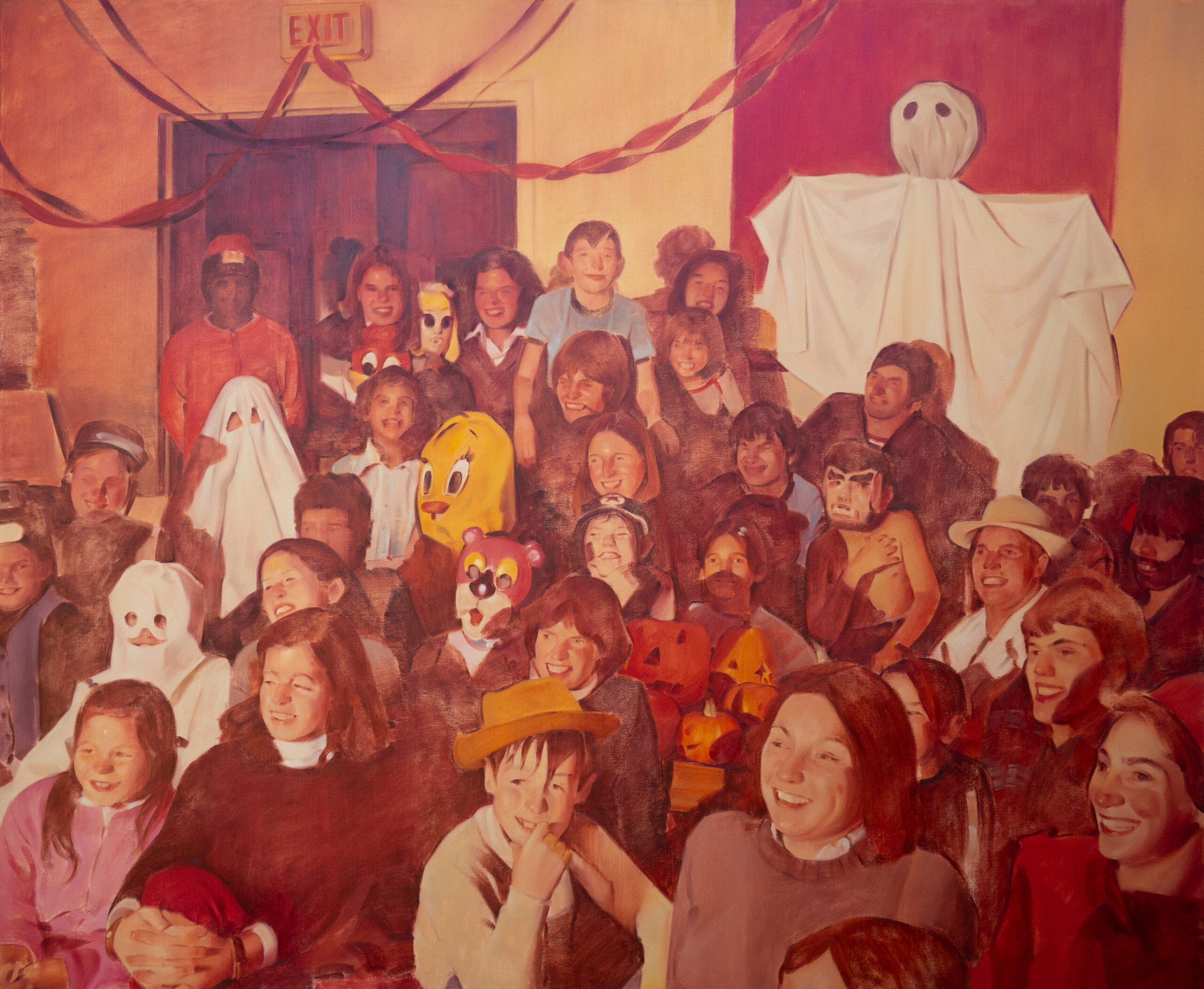 Photo: Bridget Stehli, The Holdout (detail), 2025, 140x170cm, Photo by Hamish Macintosh. Courtesy of Nasha Gallery.
At Photo Sydney
Rex Dupain – A Photo Sydney highlight — contemporary twist on the classic Sydney beach photograph that plays artifice against genuine light.
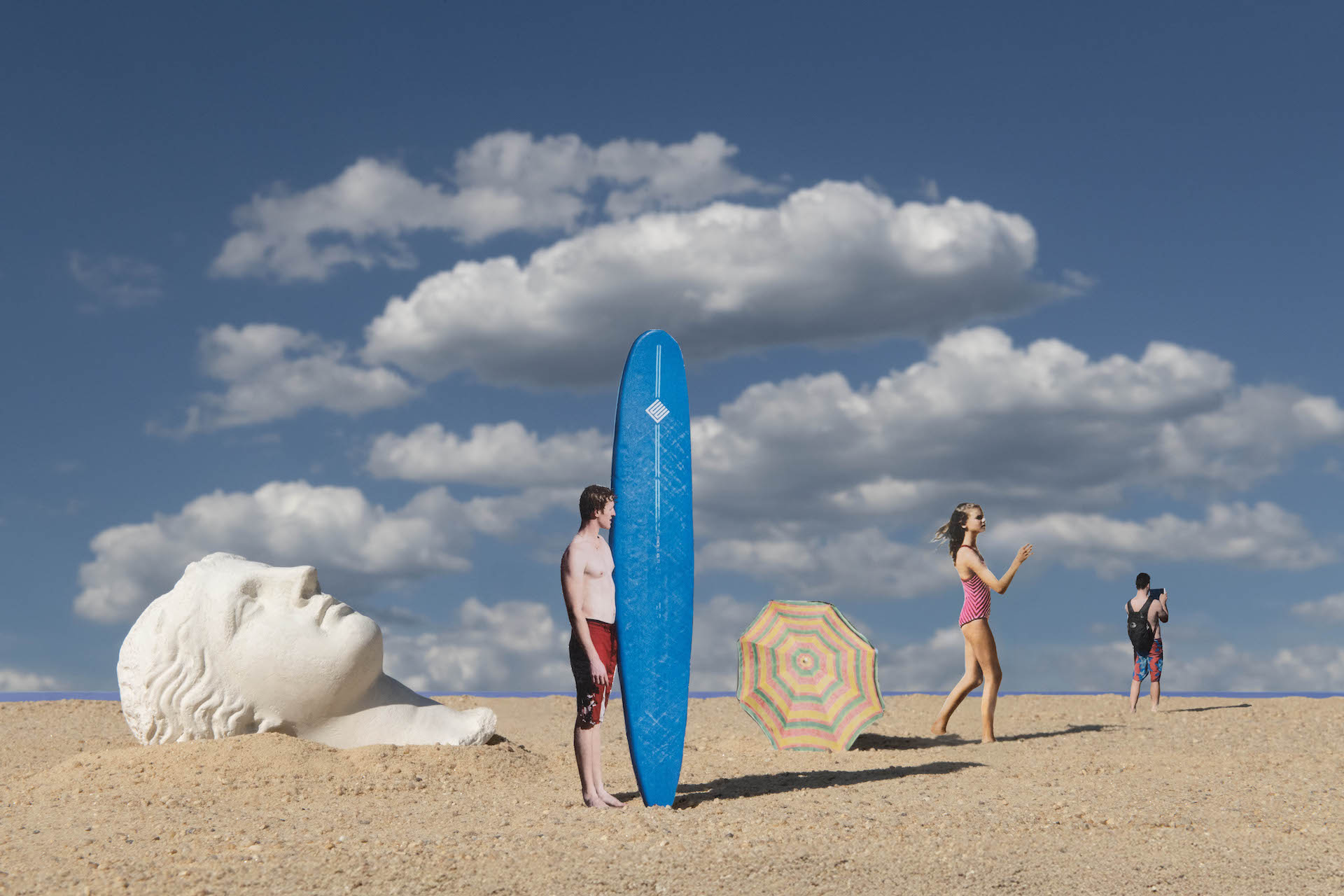
[Photo: Rex Dupain, In Time, 2026, Archival Pigment Print on Cotton Rag Paper, 80 x 120cm, Edition of 3 plus 2APS, 110 x 150cm Edition of 2 1APS
At Works on Paper
Matthew Hurdle – Hessian and ash worked into a fibrous, contemplative surface. The Brisbane artist’s meditative papermaking turns humble materials into a quiet meditation on labour, renewal and touch.
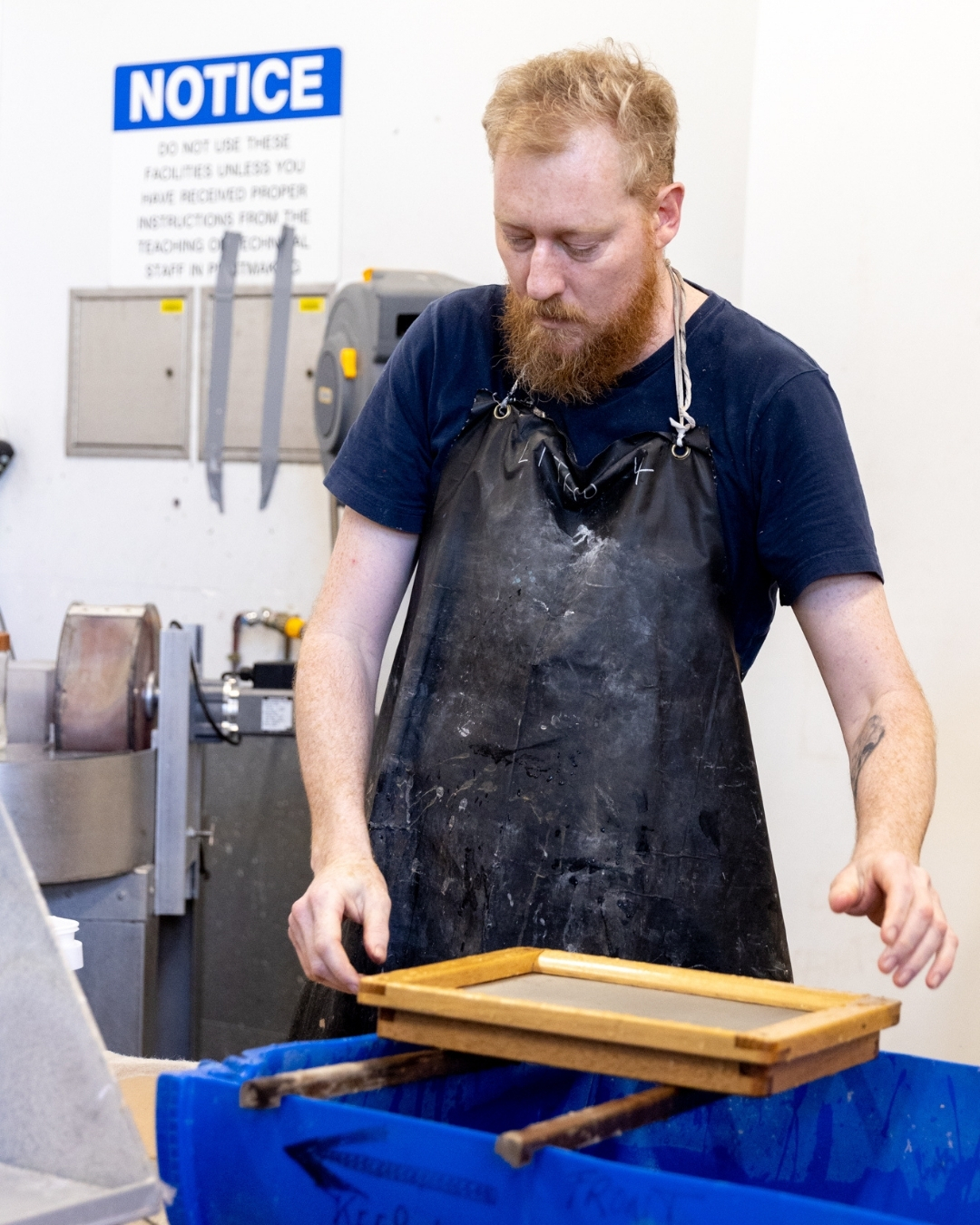
Photo: Matthew Hurdle Portrait. Courtesy of Parker Contemporary.
Talks
Platforms, New Possibilities: Art in the Digital Age tackles a timely question, as the art world braces for some of its biggest generational shifts in a decade. Essential listening for collectors thinking about where things are headed.
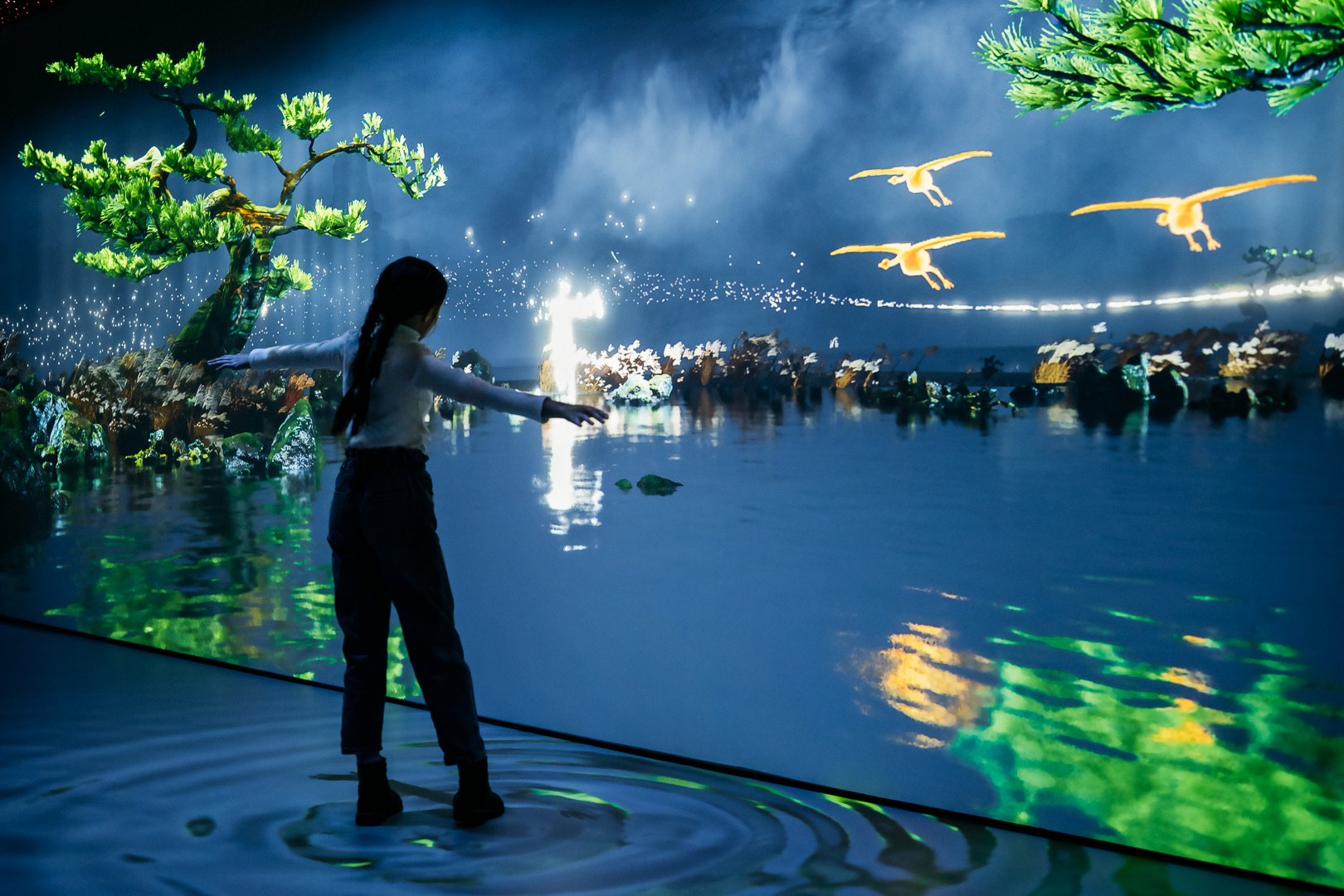
Talk: Platforms, New Possibilities: Art in the Digital Age
Installations
Mike Hewson – Impossible to walk past. Fresh from his acclaimed AGNSW Tank commission, Hewson’s work turns a fair into a genuine conversation about who shapes public space.
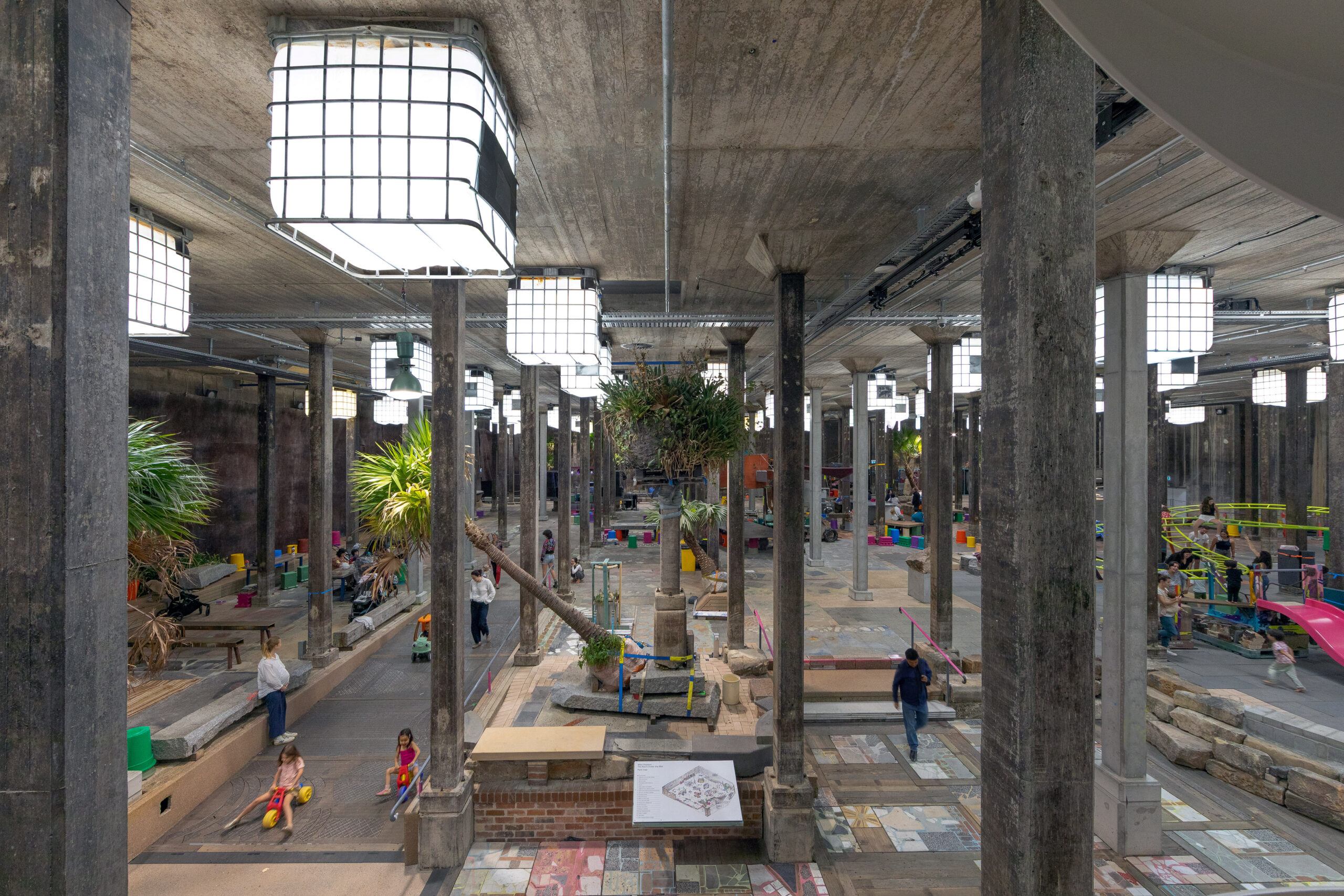 Photo: Mike Hewson, The Key’s Under the Mat, Art Gallery of New South Wales. Photo: Felicity Jenkins / Art Gallery of New South Wales.
Don’t Miss
And do come by our own talks — Art Collector’s Look Out For and Pull Focus sessions, led by our Sydney Editor Sebastian Goldspink. Expect sharp, generous conversation on the artists and ideas worth your attention at the fair.
About Art Collector
Every quarter, Art Collector magazine profiles the region’s leading artists, gallerists and collectors. You’ll also find art news, analysis of important issues affecting collectors and previews of forthcoming exhibitions across Australia and New Zealand. Subscribe to Art Collector and save up to 40% on newsagency prices. Plus, you’ll never miss an issue.
Equal parts high-gloss fantasy and dark mortality, Darren Sylvester’s multi-medium practice turns consumer aesthetics inside out. Ahead of Sydney Contemporary 2026, he discusses his upcoming solo exhibition with Neon Parc – a tone poem of identical-yet-wildly-different photographs hot off the grill—and why earnestness takes a backseat to iconic, emotion-spilling imagery.
What first drew you to making art, and how has your practice shifted over the years?
I won a colouring competition at five and been going ever since. Only now it’s getting closer to what I want. It’s only beginning.

Darren Sylvester, Keef, 2024. Courtesy Neon Parc, Melbourne
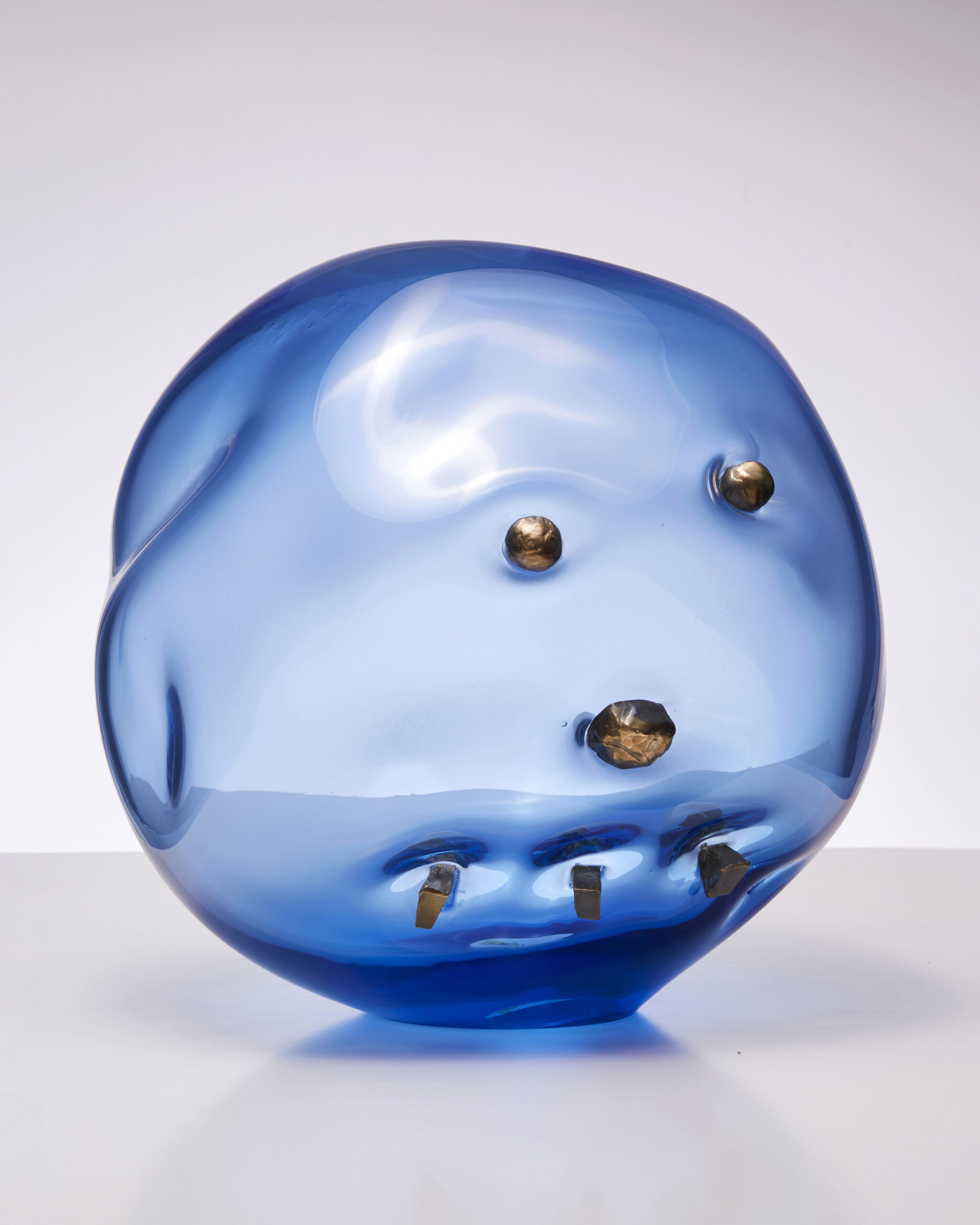
You jump between staged photography, sculpture, glasswork, and even pop music. How do these different mediums talk to each other?
They build history. Every work is the result of one before it so the practice grows and changes in look, feel and medium. Works talk to previous, offering differing ideas, opposite views. They create a never-ending jigsaw. I do whatever the idea needs to be. I don’t moralise; I present.

Darren Sylvester, Black Birds, 2026. Courtesy Neon Parc, Melbourne
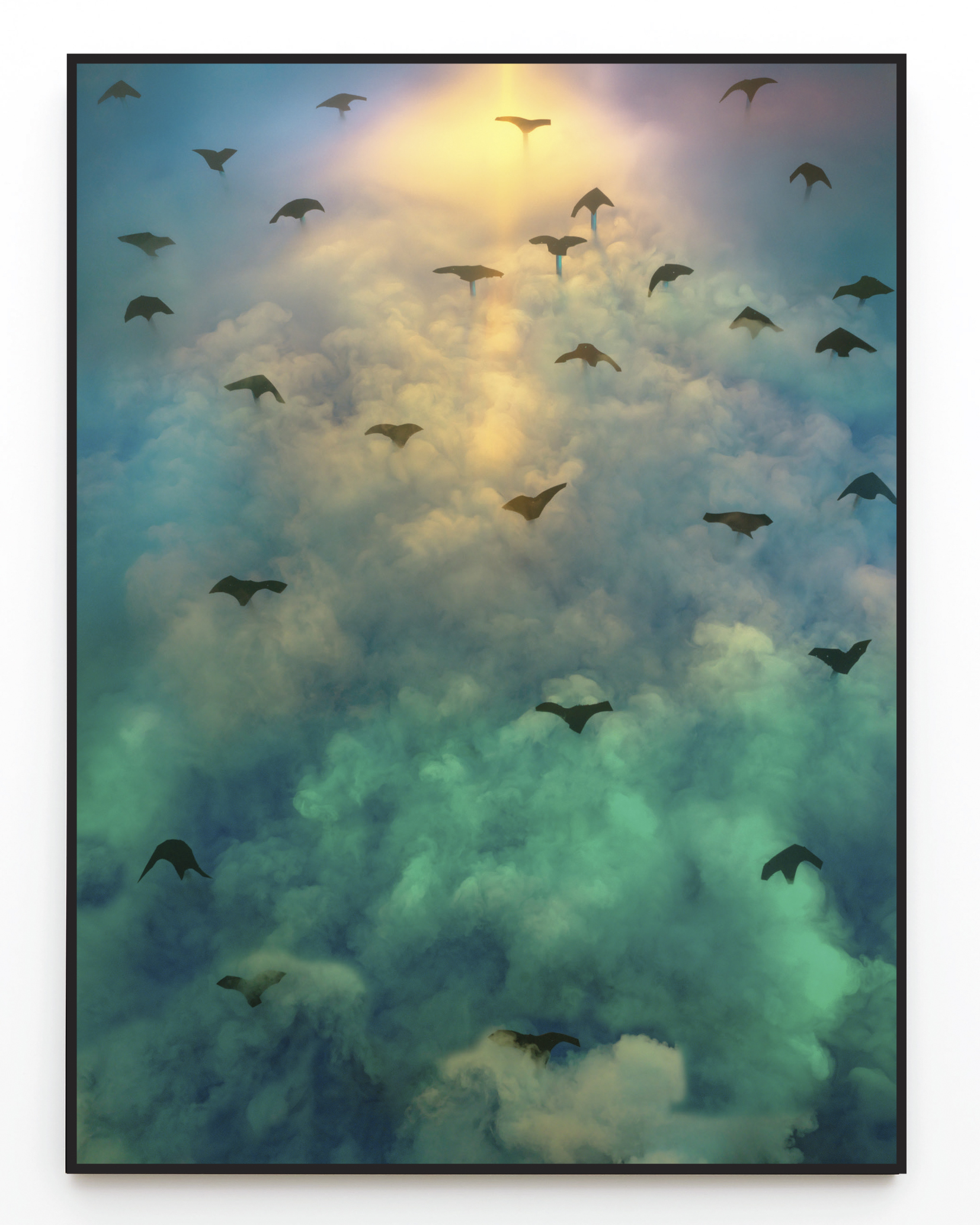
Your work uses the glossy language of consumer culture. How do you map those raw human emotions onto commercial aesthetics?

Darren Sylvester, Bright Eyes, 2026. Courtesy Neon Parc, Melbourne
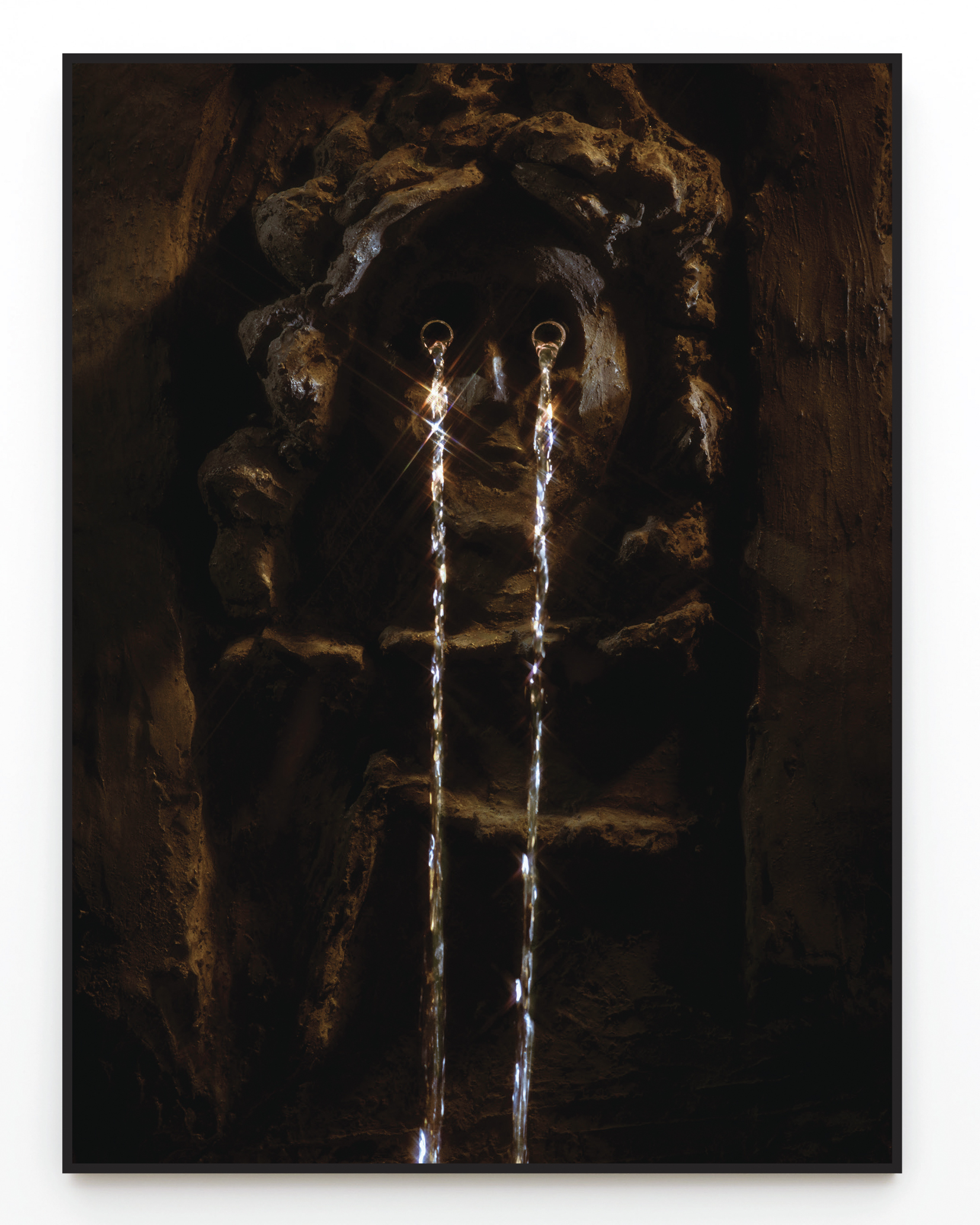
When people stand in front of your hyper-polished, cinematic scenes, what kind of feeling or realisation are you hoping to spark?
To create unique, iconic images that don’t really function as a traditional photograph of trying to capture a moment, they’re more like a sign, or a tarot. They can be filled with a sense of sincerity, fantasy, tragedy and dark mortality. Up close there’s easter eggs in construction, faults that shine, it’s a hi-end feel to lo-fi construction.

Darren Sylvester, Funny Faces, 2026. Courtesy Neon Parc, Melbourne
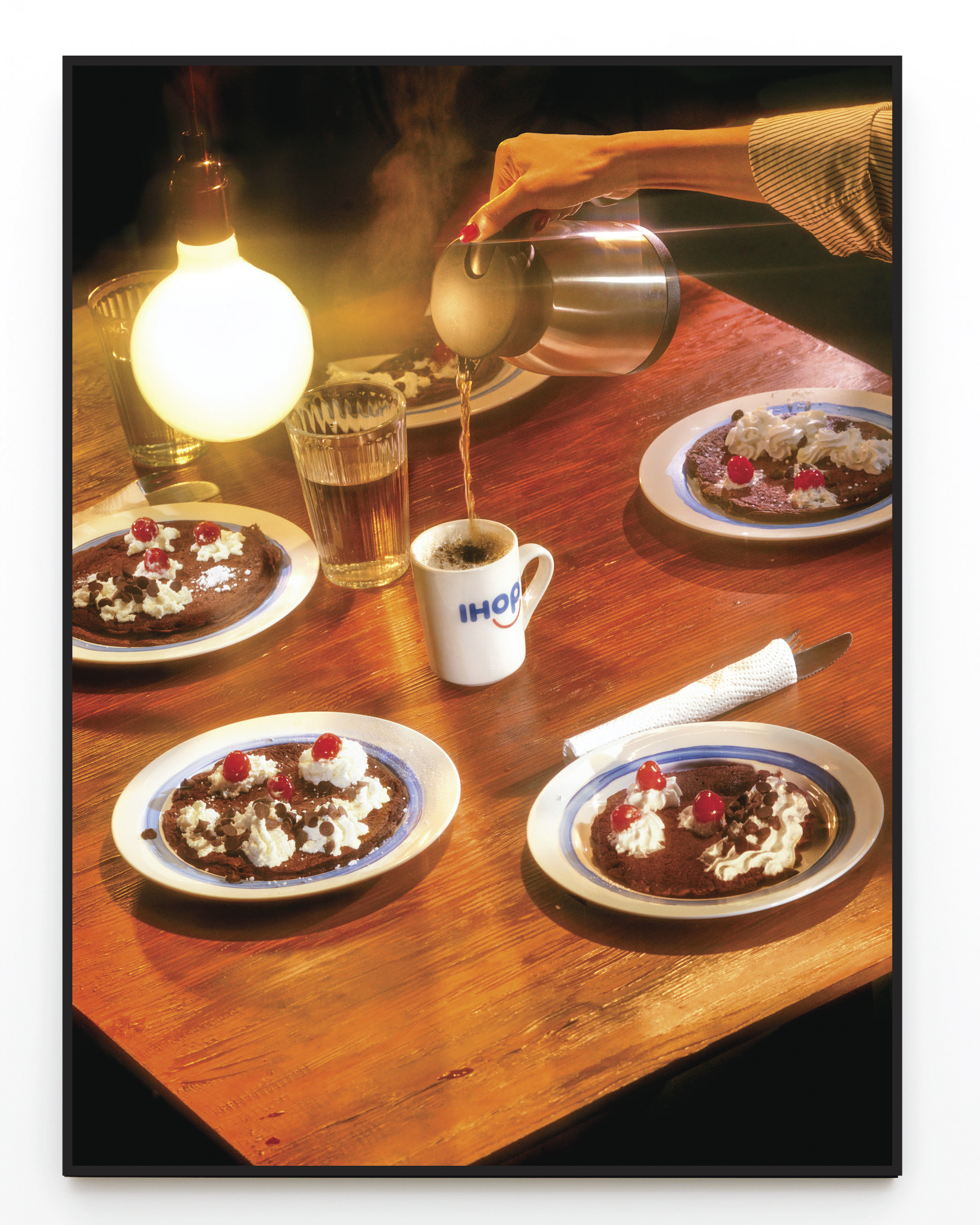
What can we look forward to in your presentation with Neon Parc at Sydney Contemporary 2026?
An exhibition of new photographs called Hot Cakes. Like off a grill, they’ll be the same size, pushed in a row, one after another, yet also wildly, completely different to create a tone poem that speaks to aspects of contemporary life.

Darren Sylvester, Turbo Maxx, 2025
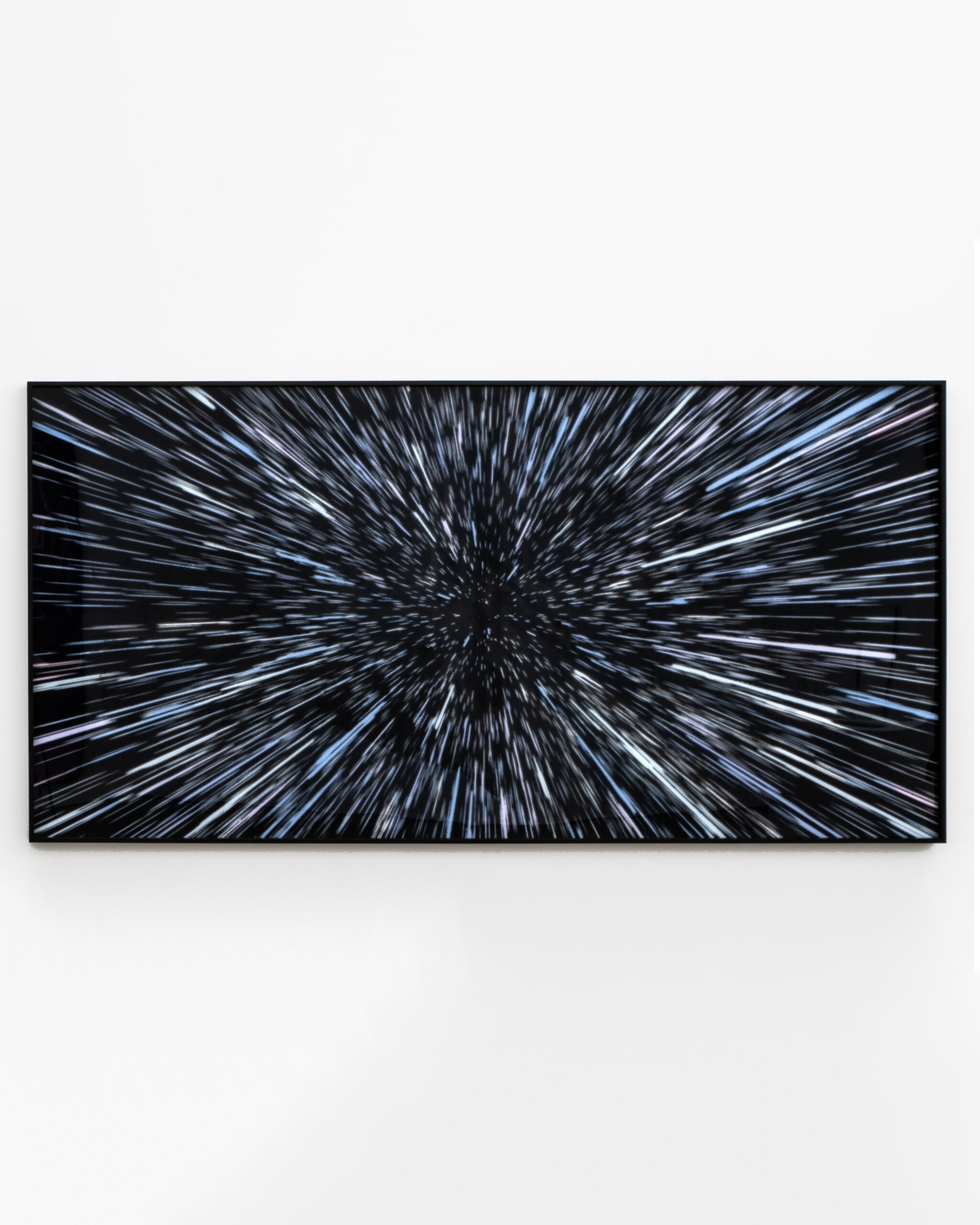
Looking ahead, are there particular projects, collaborations, or mediums you’re excited to explore in 2026?
Hell no. This took all year. This is the year.
Sydney Contemporary returns to Carriageworks from 3 – 6 September.
darrensylvester.com
Instagram
Neon Parc
Instagram
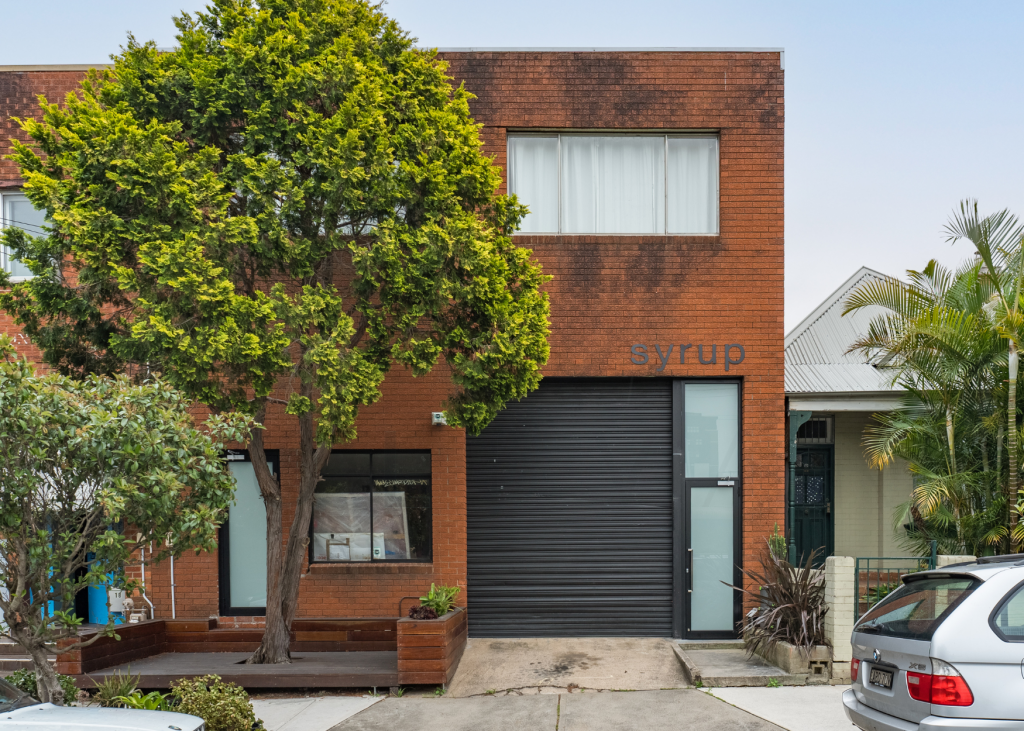
Emerging from an artist-run ethos, co-directors Carolyn Craig and Damien Dillon run SYRUP Contemporary as a hybrid gallery bridging independent project spaces and commercial platforms, with a focus on forward-thinking, regionally connected artists across the Asia-Pacific. As the gallery prepares to make its Sydney Contemporary debut across the Futures and Paper sectors, we spoke about scaling up ambitious practices, cultivating international conversations and what to expect from their upcoming fair presentations and expansion plans.
You initially expanded from a studio-sized room in Chinatown into your current warehouse in Marrickville. How has this dramatic shift in scale and location altered your curatorial vision and the types of ambitious work you are able to platform?
Our wonderful tiny Chinatown space established a strong curatorial vision which has become more ambitious and focused in the new space. Each of our artists share this vision to create internationally facing exhibitions at the forefront of our region. While the ambition has grown, our commitment remains the same—to present contemporary practices that are at the forefront of artistic discourse within our region while connecting them to broader international conversations.
SYRUP operates on a hybrid model, bridging the gap between an independent project space and a commercial gallery. Coming from an artist-run ethos, how does this inform the gallery program?
We are committed to championing work that is forward-thinking, distinctive and responsive to the cultural moment. This often means supporting projects that might traditionally be associated with institutional contexts, whether through large-scale exhibitions, collaborations with guest curators, or ambitious new commissions.
We see these projects as an investment in our artists’ long-term development. They create opportunities for experimentation, expand audiences and position artists for future institutional and international engagement. At the same time, we believe collectors are increasingly looking for works that challenge conventions and contribute to broader cultural conversations. Our goal is to build a sustainable model that enables artists to make ambitious work while connecting them to growing markets across the Asia-Pacific region and beyond.

Ruth Marbun, Trajektori 17, 2023
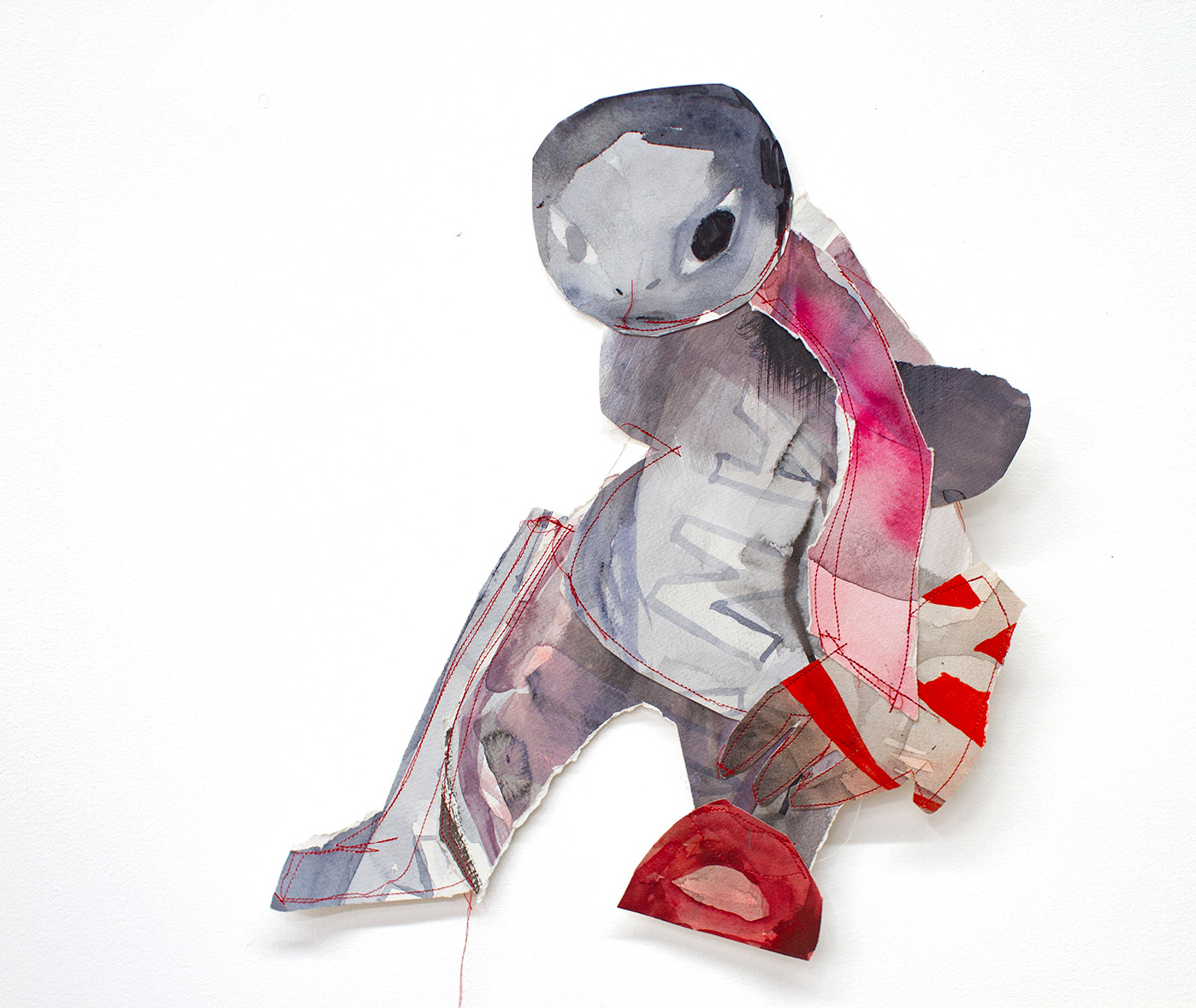
How would you define the core of SYRUP’s identity, and why is a regional connection so vital to what you do?
I think our name speaks to some of our identity – we are fluid and interesting and maybe a tiny bit sticky and delicious. At our core, we are interested in artists whose practices reflect contemporary conditions and who engage with the unique cultural dynamics of our region.
The Asia-Pacific is becoming an increasingly important centre for contemporary art, and we see tremendous potential in fostering stronger connections within these networks. For us, regional engagement is not simply a market strategy; it’s about recognising the cultural specificity, histories and perspectives that shape the work of our artists. We are interested in contributing to a more regionally connected and globally relevant conversation that moves beyond traditional Eurocentric frameworks.
Making your first appearance here, what do you hope fairgoers take away from their encounter with SYRUP?
I hope Fairgoers encounter something exciting from the SYRUP booths. We want the SYRUP presentations to feel fresh, ambitious and reflective of the extraordinary calibre of artists we represent. More than anything, we hope people engage deeply with the work, connect with the artists’ ideas and come away with a sense that these are practices contributing meaningfully to contemporary culture on an international stage.

Left: David Haines, perfume sketchbook 4. Right: Eleni Ioakimidis, Untitled, 2026
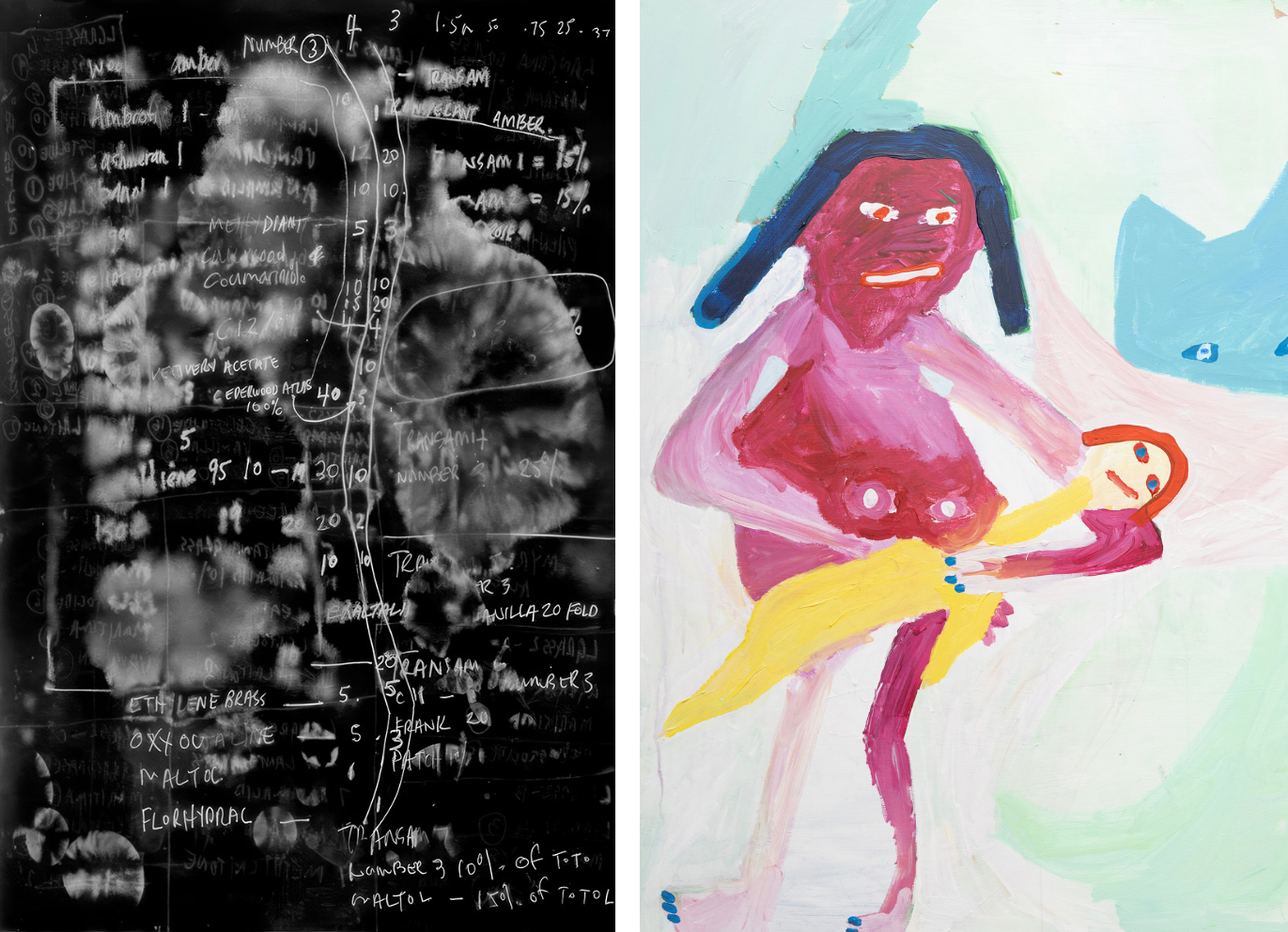
Participating across both the Futures and Paper sectors, what can we look forward to at this year’s presentation and how did you curate these two distinct presentations?
This year’s presentation reflects the breadth of our program while highlighting artists working across diverse contemporary media. We will be launching a new perfume work by artist duo Haines & Hinterding during the VIP Preview. Developed from a sonic note, the work distils the conceptual sophistication of their practice into a sensory experience and offers collectors an accessible entry point into their broader oeuvre.
We are also delighted to introduce the remarkable painter Eleni Ioakimidis and to release a limited-edition vinyl work by Nova Milne.
Our Paper presentation brings together three artists with established international profiles, each exploring the body and its relationship to contemporary culture in distinct ways. The presentation includes works by Mike Parr, created in collaboration with gallery director Carolyn Craig, alongside mixed-media works by Jakarta artist Ruth Marbun and a new suite of drawings by Heath Franco. Together, the booth explores embodiment, identity and contemporary experience through the lens of works on paper.
 Installation View, EO Gill, Sendiment, 2026. Photo: Zan Wimberley
 Installation View, EO Gill, Sendiment, 2026. Photo: Zan Wimberley
What’s next for SYRUP Contemporary?
Following Sydney Contemporary, we are excited to present solo exhibitions by Luke Parker and Ben Reid, followed by a major exhibition by Haines & Hinterding, and subsequent presentations by Szymon Dorabialski and Nicholas Currie.
Alongside these exhibitions, we will be undertaking a significant renovation of the gallery to create a purpose-built stockroom and dedicated viewing space. We are also exploring opportunities to participate in our first international art fair. These developments reflect our continued investment in our artists, our collectors and the long-term growth of the gallery as a platform for ambitious contemporary practice.
Sydney Contemporary returns to Carriageworks from 3 – 6 September.
syrupcontemporary.com
Instagram
Artist Ben Mazey has lived with art across continents, from rural New Zealand to Paris, Shanghai and Sydney. Ahead of Sydney Contemporary 2026, where he exhibits with C. Gallery and joins the Talks program, he reflects on collecting instinctively, creating homes with personality, and the artworks that become lifelong companions.
Your home and studio are almost inseparable. How has living surrounded by your own work, and the work of others, shaped the way you think about what belongs in a home?
It’s been liberating to be honest. And I think really reinforced my belief that if you emotionally respond to it any work belongs in your home.
 Photo: Artist Ben Mazey & Home Studio, Courtesy of Adrian Mesko.
 Photo: Artist Ben Mazey & Home Studio, Courtesy of Adrian Mesko.
You’ve lived everywhere from rural New Zealand to Paris, Shanghai and now Sydney. Are there artworks or objects that have travelled with you, and why have those particular pieces stayed with you?
Absolutely – I am a firm believer in artwork and objects that we acquire kind of turning a home into an interactive charm bracelet. I have things (shout out a snoopy money box from my first boyfriend and giant concrete ear) that have been with me in every space I’ve lived in for my entire adult life.
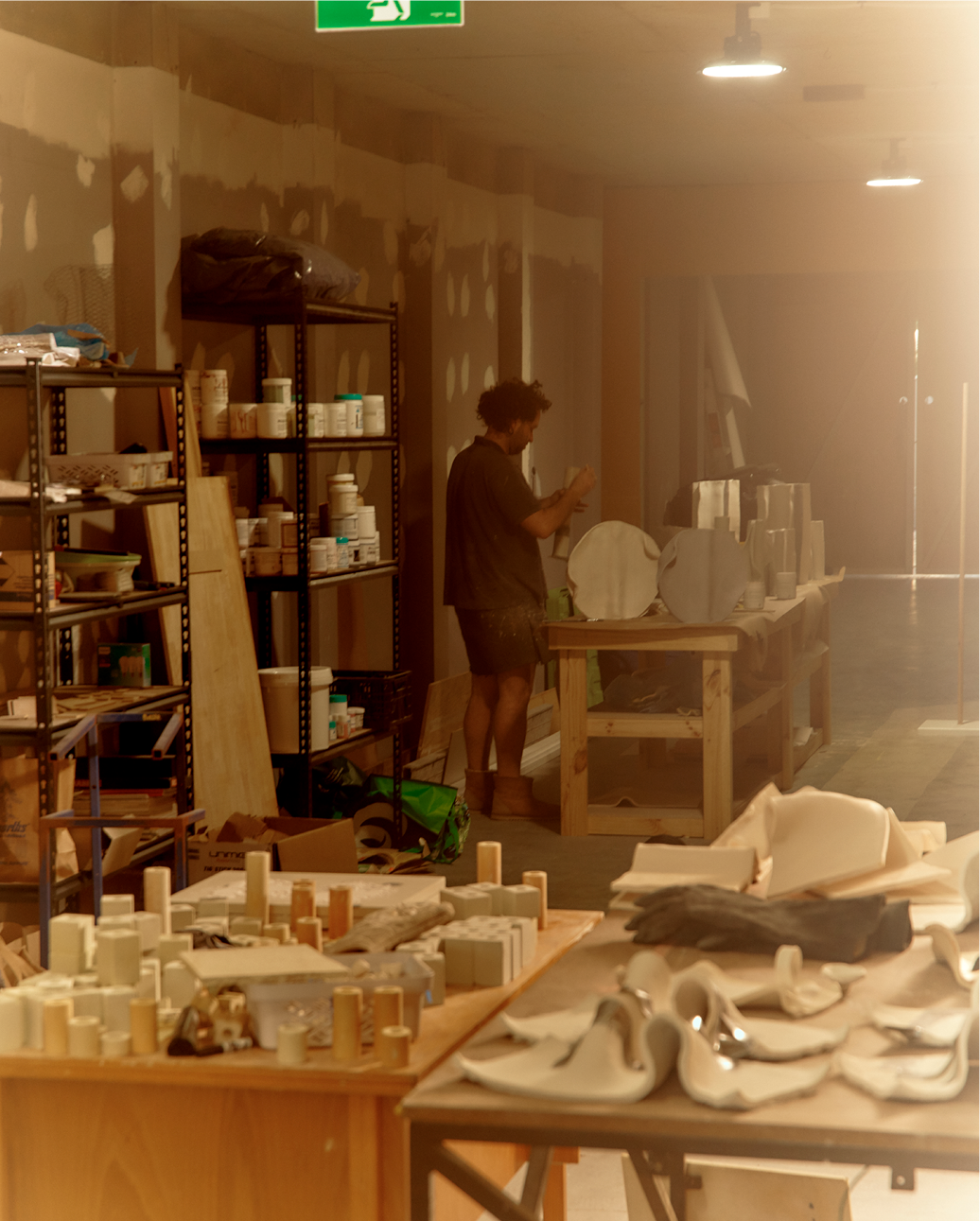
Photo: Artist Ben Mazey, Courtesy of Adrian Mesko.
As an artist, do you experience other people’s art differently once it’s in your home? Does living with an artwork reveal things you wouldn’t notice in a gallery?
I think energetically (I am prepared to have people roll their eyes at that word – I would) work definitely behaves differently in a home. I am constantly moving work around and in particular I think it’s less about the interior space, and more related to the proximity to other work, that makes me experience it differently.
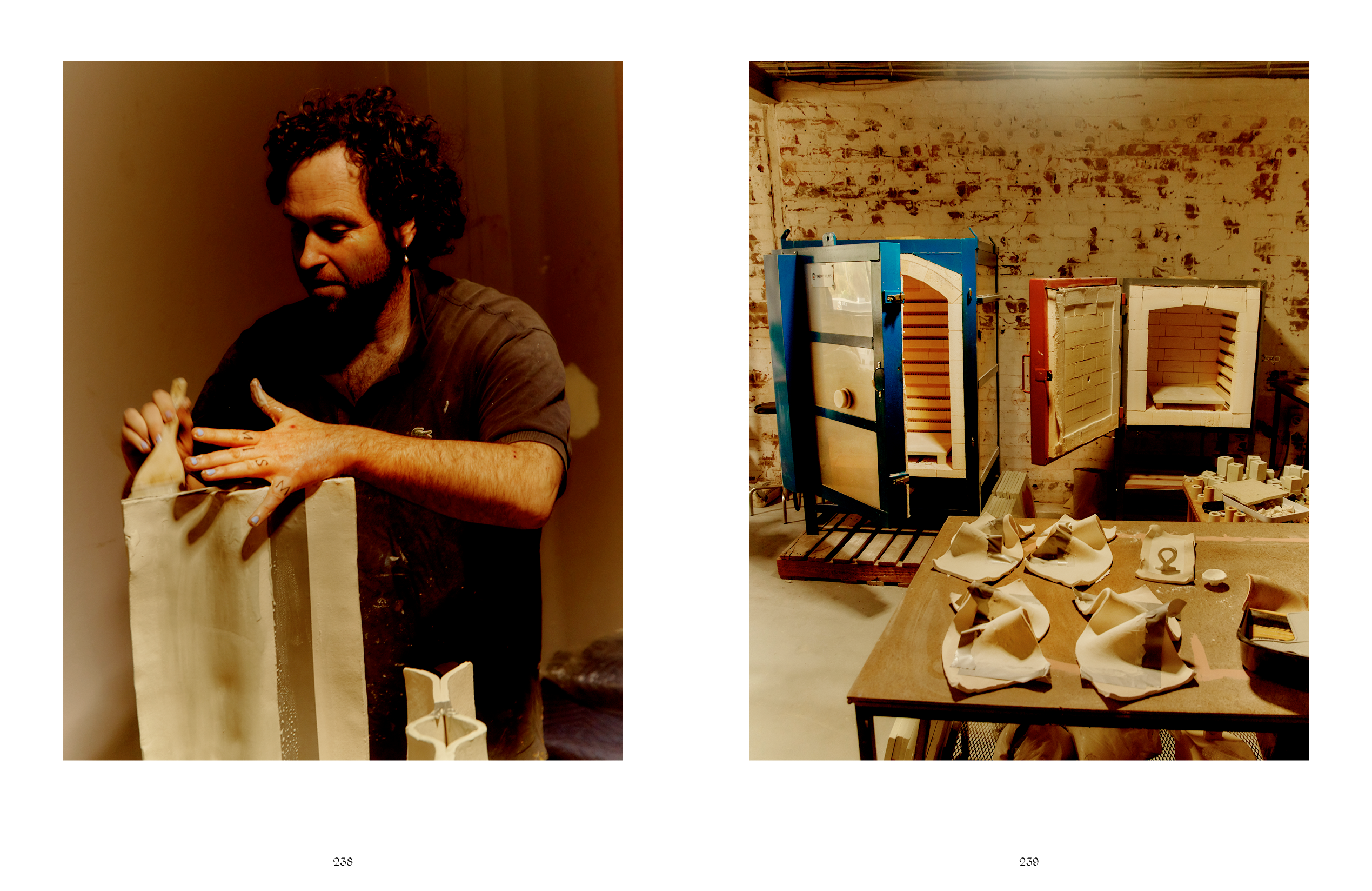
Photo: Artist Ben Mazey Home Studio, Courtesy of Adrian Mesko.
You often talk about your practice feeling instinctive rather than overly planned. Do you take the same approach when choosing the objects, furniture and artworks you live with, or are you surprisingly considered?
I have been labouring over a sofa purchase for about 6 years so that could be called considered. But I am 1000% instinctive generally.
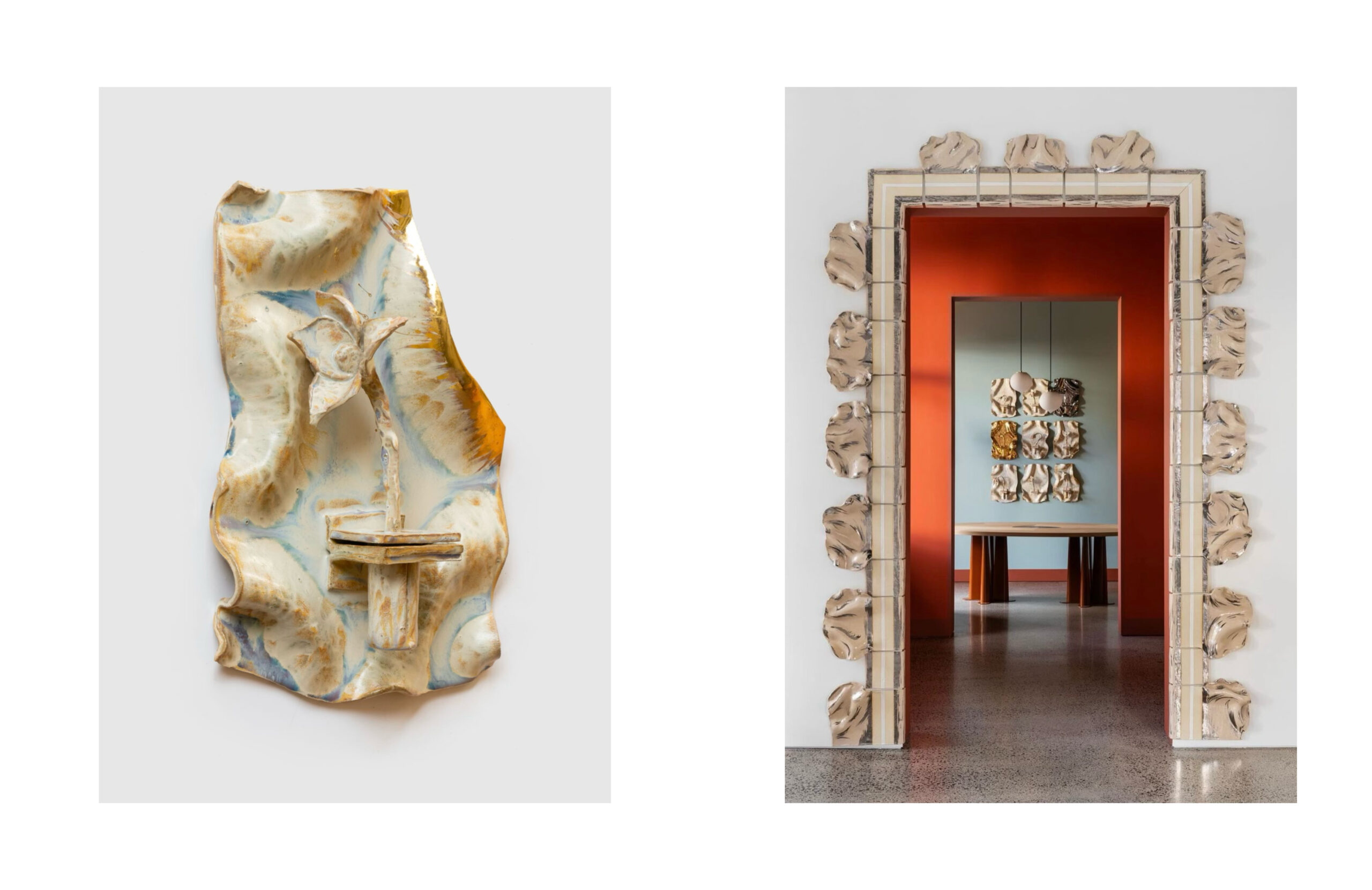
Photo: Ben Mazey, Midas Bite Petrified Floral, 2024, Petrified Florals Series, Ceramic, 44 x 30 x 12cm, Ben Mazey Home Studio, Courtesy of Adrian Mesko.
Your interiors feel highly personal but never overly polished. What do you think makes a home feel creative rather than simply well designed?
A sense of the person that lives there, not just a bunch of stuff with a certain taste level.
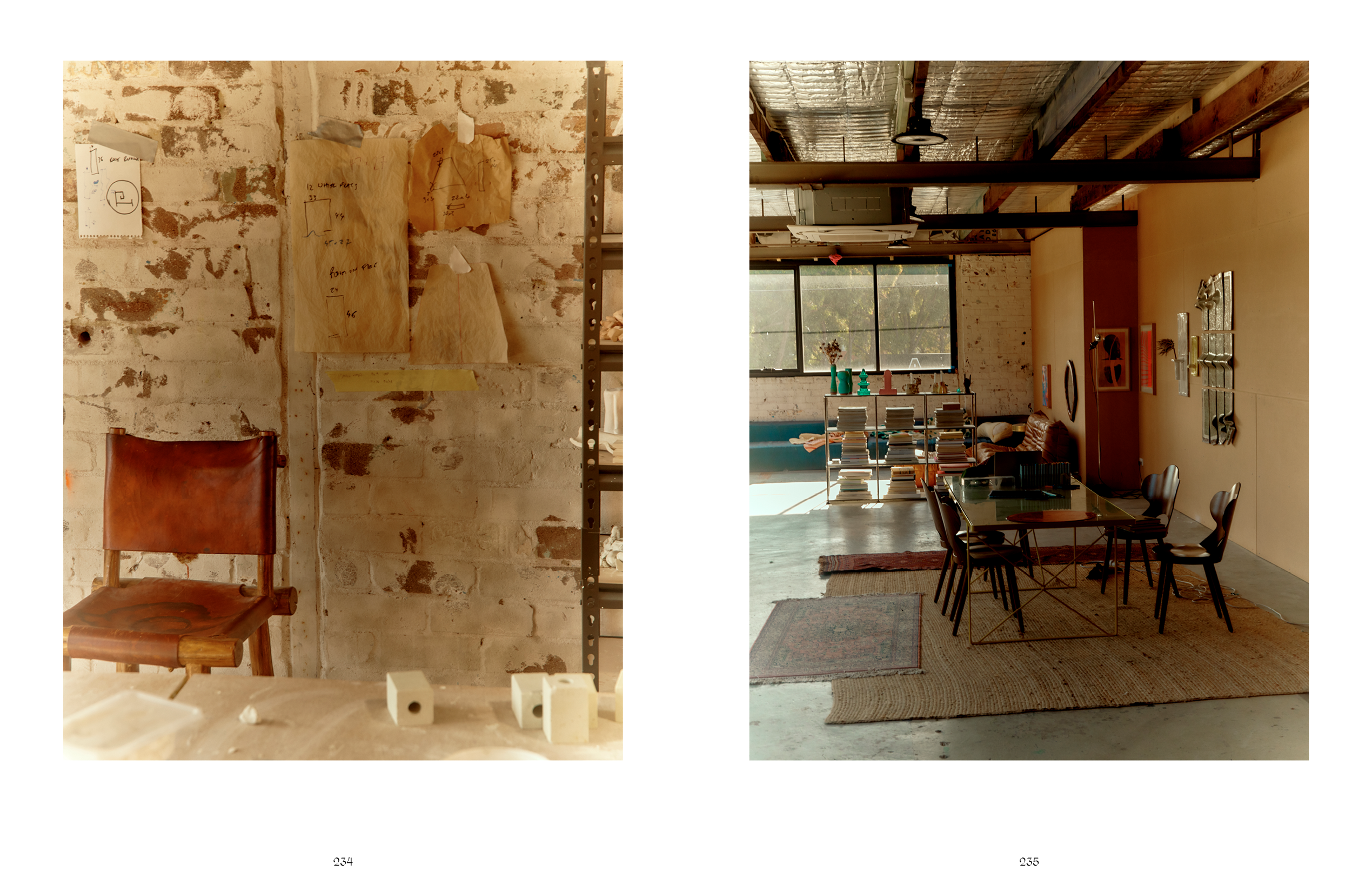
Photo: Artist Ben Mazey Home Studio, Courtesy of Adrian Mesko.
If someone was buying their first artwork for their home at Sydney Contemporary, do you have any words of wisdom for them?
I have never ever had a shopping hangover from money spent on art.
Sydney Contemporary returns to Carriageworks from 3 – 6 September.
What began as an independent space up a Windsor one-way street has grown into one of Melbourne’s most fearless hubs for contemporary and experimental art. Founded by Andy Dinan, MARS Gallery has spent over two decades operating on a simple but unwavering philosophy: trust the artists completely and never let the market dictate the vision. Having exhibited at Sydney Contemporary since its inaugural edition in 2013, the gallery has evolved alongside the Fair while remaining fiercely independent. We spoke with Andy about embracing the unexpected, bringing a timely message of “Radical Joy” to the 2026 Fair, and the gallery’s exciting new international expansion into North America.
Based in Windsor in Melbourne, MARS Gallery sits in a very specific pocket of the city’s cultural life. How does that Melbourne context shape what you choose to bring to Sydney Contemporary each year?
I never think of MARS being in Melbourne. I like to think we could have landed anywhere in the world, we just happen to be up a one-way street up the emerging end of Windsor. Being based in Melbourne has no input on what I bring to a fair. Instead, for context and curatorial themes of my shows, I look to the big issues of the world that my artists care about, or I left the content of my artists dictate the format of the shows we present.
Our stand at Sydney Contemporary is my way to send a curated art message out to the world – what I believe in, what I am seeing in the studios of my artists, who I believe need to be seen and collected NOW. This year I am bringing a show, Radical Joy. It’s a group show about how the world is in crisis and needs the radical act of joy NOW more than ever and I see artists telling their important stories with humour. Make no mistake, making genuine joy and laughter is a very considered and hard process by these artists. Nothing is left to chance in the works we will show at Sydney, they all lift you to another place through joy, beauty or laughter.

The Huxleys, Another Green World, 2026. Courtesy of the artists and MARS Gallery
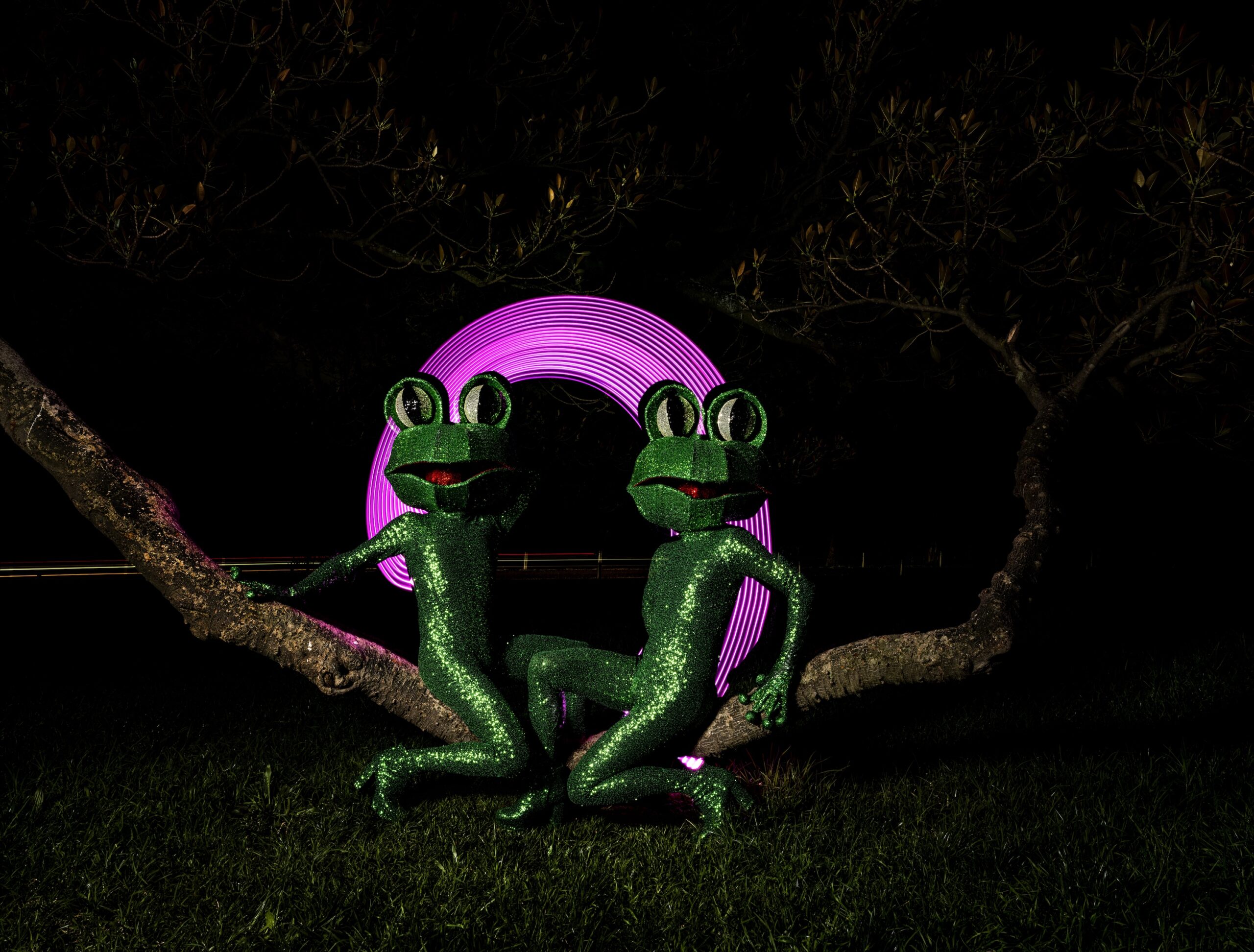
MARS has been part of Sydney Contemporary since its very first edition. Looking across that decade, how has your approach to the Fair evolved as both the gallery and the broader Australian art scene have changed?
I think 10 years of showing at Sydney Contemporary has shown me that good collectors and curators are always looking, and good artists are always making, and the two over time will always find each other. MARS keeps turning and changing colour just like the planet! I think in the art world and the business world you need to keep moving. The minute you think you have the answers, the bucks or the strategy, the universe will stuff you up, so I like to think we keep evolving as our artists’ needs and wants do. I don’t worry too much about the larger art scene these days; we take MARS where we feel it should go. There are so many layers to the art world. I care passionately about artists and their work and it is the work I always come back to, no matter what.

MARS Gallery, Sydney Contemporary 2013. Photo: Jacquie Manning
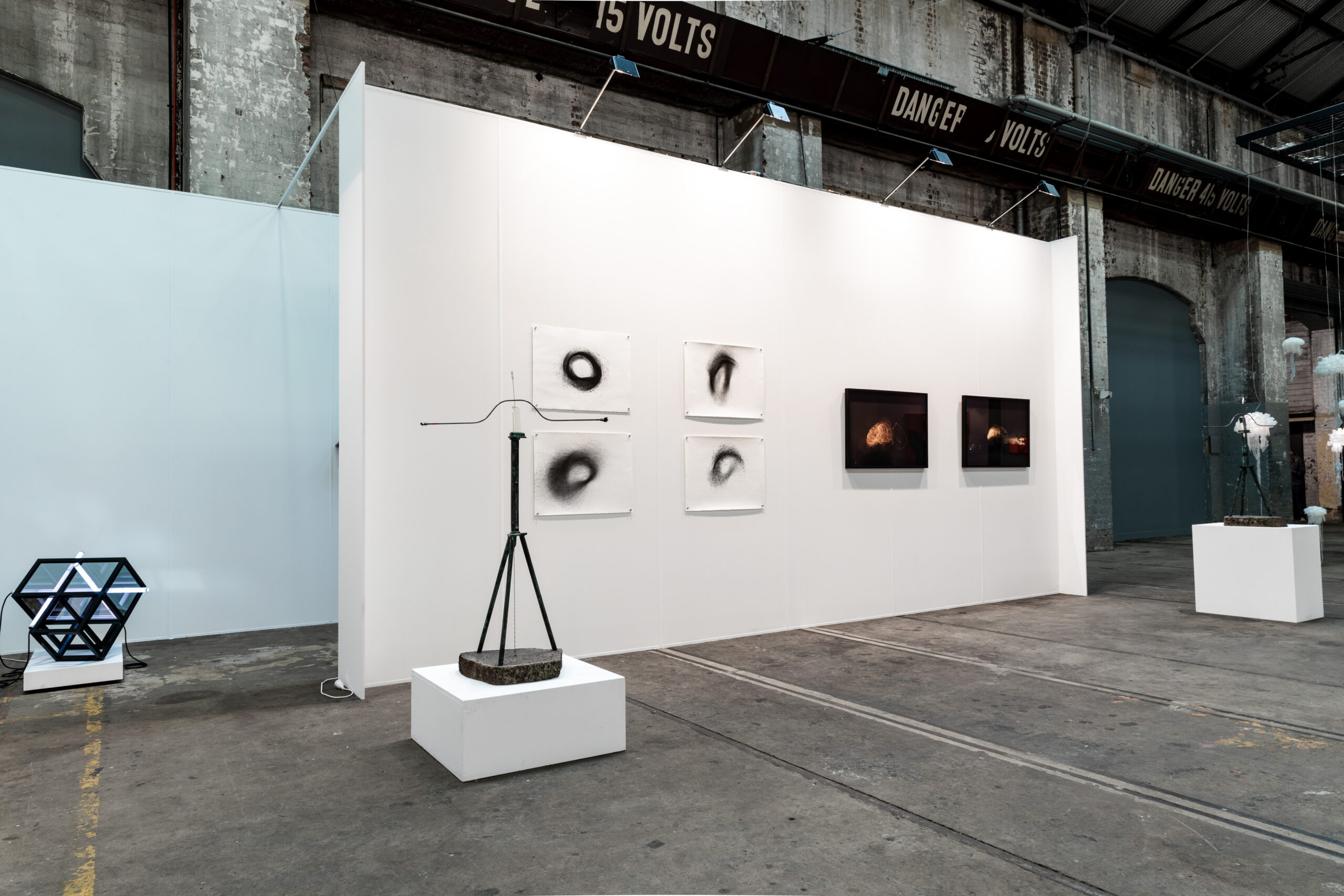
Across the years at Sydney Contemporary, has there been a particular artist presentation or risk you took that felt like it really paid off, or changed how you think about fairs?
Over 24 years, MARS has now staged at over 29 local Australian fairs and 13 international fairs from Aotearoa to Photo London to Photo Paris to KIAF. For a decade, Sydney Contemporary has been an annual highlight. We are a small, tight, hardworking, earnest gallery showing emerging to mid-career artists and our approach is always the same—take risks and believe in our artists and their work. Collectors and institutions have always responded to that. I no longer see art fairs as an option in our exhibition calendar; they are an important essential of our year.
MARS has long supported experimental and new media practices. How has audience appetite for those kinds of works shifted in the fair environment since 2013?
I do believe fair attendees love seeing varied mediums and being challenged. I am lucky that most MARS artists work across many mediums and so I have a great selection of mediums to choose from. I never worry what the market or audience wants. I tried that and it didn’t make me happy, and MARS is not a shop. I simply show whatever the artist needs to show in whatever medium the artist works in. Real artists are going to make art with their unique voice, with whatever medium they want, and they must have the choice always to create what they want. I must show only what I believe in, it’s pretty simple.

MARS Gallery at Sydney Contemporary 2025.
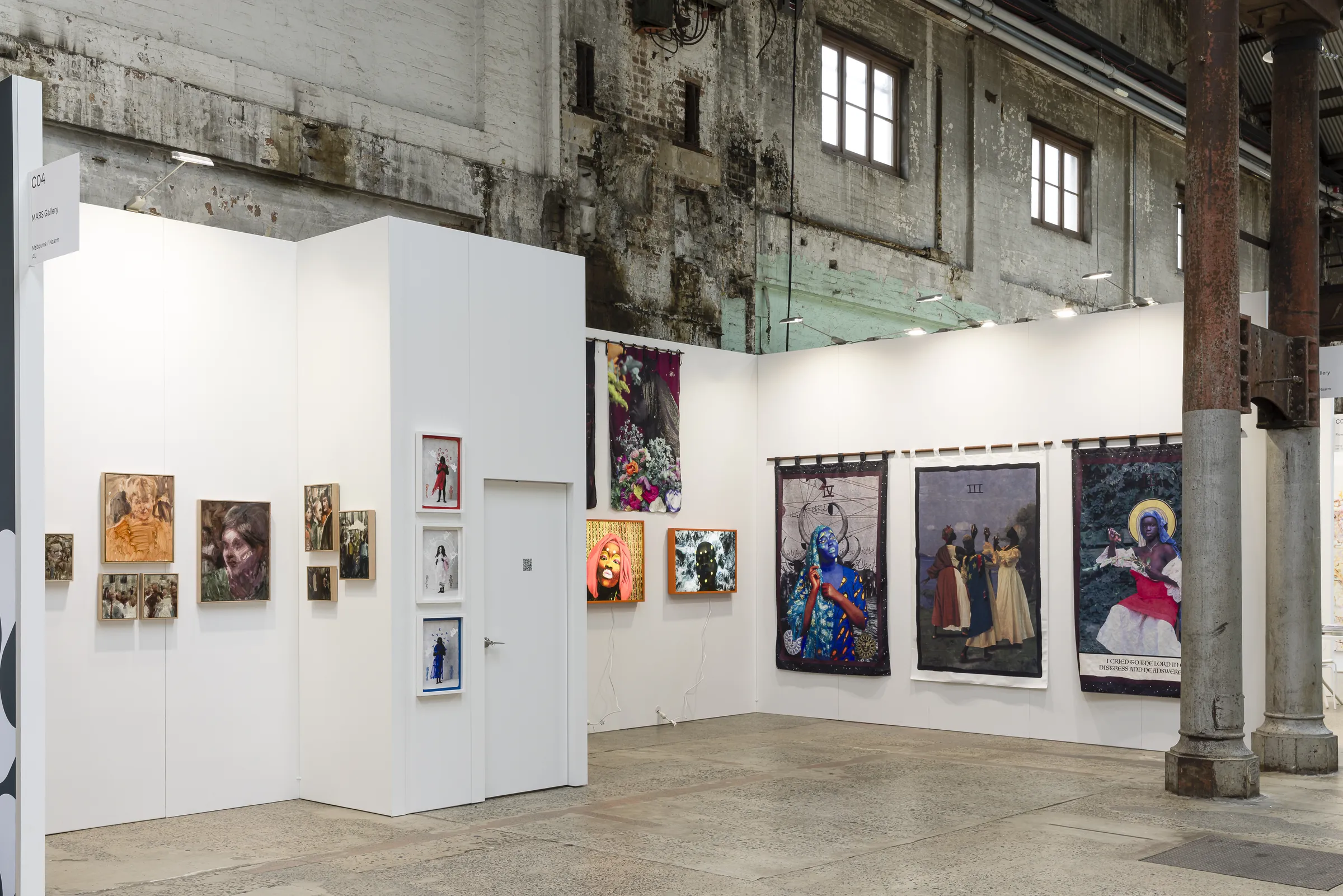
As Sydney Contemporary marks its 10th edition, what feels most significant to you about having been part of its evolution from the early years through to now?
I have loved showing at Sydney Contemporary for the last ten years. There have been spills (who can forget when Daniel Agdag’s glass sculpture was knocked from a plinth by a backpack) to sell-outs to no sales. I have loved them all, been sick, been exhausted, and talked until I had no voice left. I would not have it any other way and am sure this fair will delight in 2026 yet again.
From the early years, Sydney Contemporary has been a fair that listened to what galleries wanted – where they wanted their stand, what they were promoting and why. It is two-way communication and that is so important to me in building my gallery.

Jenna Mae Lee, to gather to nourish to sustain, 2022-23, included in Sydney Contemporary Installation 2023
Looking ahead, what exhibitions, collaborations, or projects are you most excited about and what can audiences look forward to from the gallery in the coming year?
I have just signed an agreement for MARS Miami, which is truly exciting for me and the next international chapter of MARS. I have stayed close friends with many of our ex-staff and interns and Wided Khadraoui was an outstanding young gallerist who went on to work around the world and settled in Miami. It was a natural step then to offer Wided the opportunity to take MARS artists to the USA. I’ve always loved connecting people, ideas and places, and that’s really how Wided and I think about MARS Miami. For me, this is an opportunity to introduce Australian artists doing genuinely exciting, thoughtful, unexpected work and general cool shit to new audiences across North America. There is so much incredible practice happening in Australia that deserves to be part of a broader international conversation, and Wided will create those connections.
MARS is not simply a place that sells art. The MARS family see the gallery as a platform that creates opportunities for artists to meet collectors, curators, museums and collaborators, and for conversations to happen that might not otherwise have existed. Wided and I hope to build something collaborative and relationship-driven, creating long-term opportunities while sharing some of the most interesting voices coming out of Australia with audiences across North America. MARS Miami is a natural next stop for me.
Sydney Contemporary returns to Carriageworks from 3 – 6 September.
marsgallery.com
Instagram
Facebook
Cover Image: Featured artworks – Malaluba Gumana and Neil Frazer, Photo: Riste Andrievski
For Max and Gabby Germanos, collecting art is about connection rather than formula. Their collection focuses on figurative and portrait-based art that holds tension and emotional ambiguity – pieces that act as daily companions woven into family life rather than static objects. Through their curatorial platform, 3:33 Art Projects, they actively champion emerging and mid-career artists. Ahead of Sydney Contemporary, Max and Gabby share what they are looking forward to at the Fair, advising new collectors to trust their curiosity, build relationships, and only buy what they truly want to live with.
Photos: Riste Andrievski
What first sparked your interest in collecting contemporary art?
It began quite naturally: through looking, living with art, and being stopped in our tracks by certain works. In the late 1990s, while living in a terrace in Alexandria, we started buying contemporary Australian art, initially with an interest in abstraction and First Nations art. Then came what we now think of as our “McLean moment”: encountering McLean Edwards’ paintings opened up a different kind of emotional and psychological pull. The work was not simply beautiful; it was strange, charged and impossible to ignore. That sense of being consumed by a work, of needing to return to it again and again, was what truly sparked the collecting journey.
 Left to Right – Nawurapu Wununmurra, McLean Edwards, Ken Whisson, Mai Nguyen-Long and McLean Edwards, Photo: Riste Andrievski
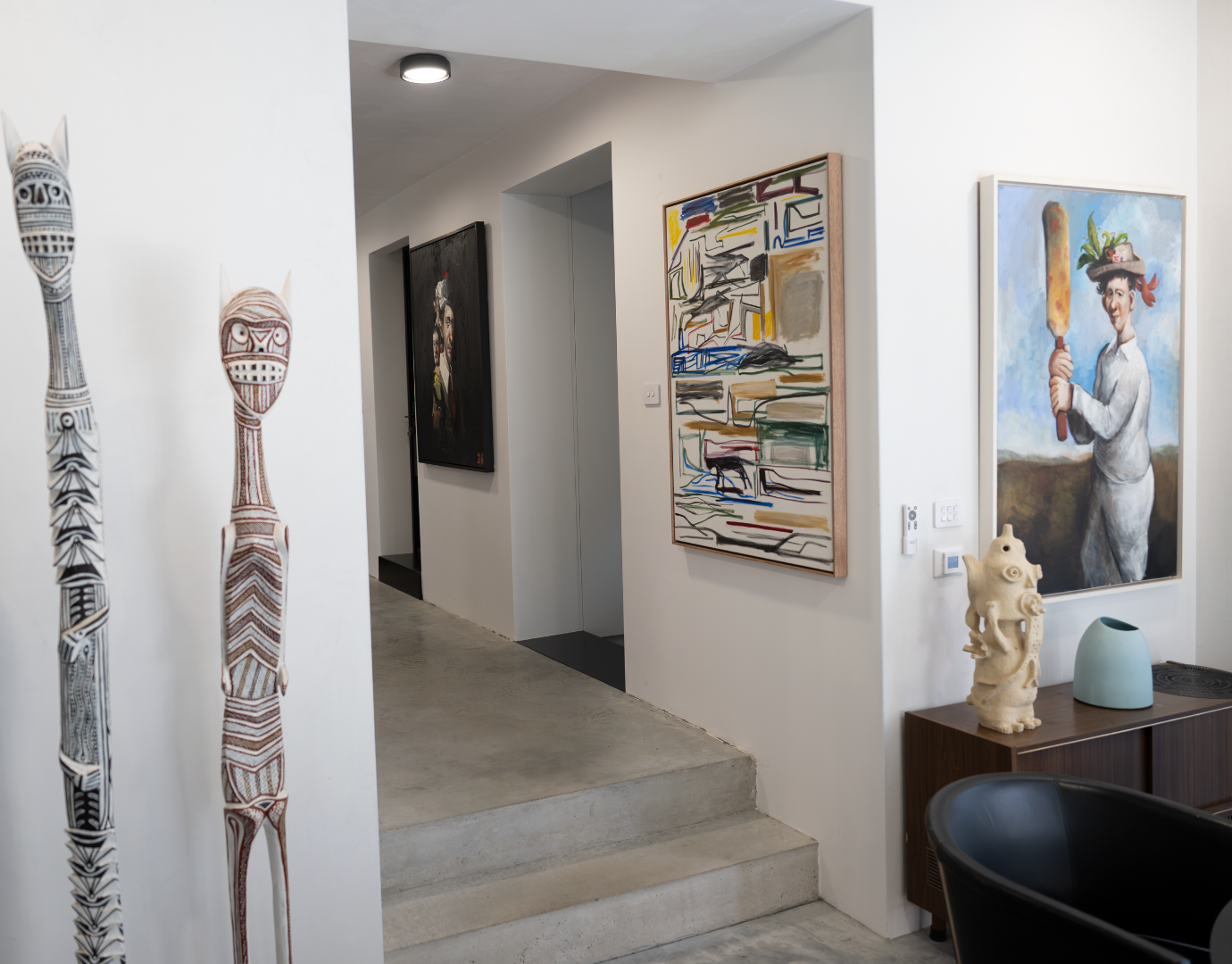 Left to Right – Nawurapu Wununmurra, McLean Edwards, Ken Whisson, Mai Nguyen-Long and McLean Edwards, Photo: Riste Andrievski
When encountering a new work, what qualities or ideas tend to draw you in?
We are drawn to works that hold tension, ambiguity and emotion. We tend to shy away from the purely decorative; in fact, it is often the unresolved or slightly unsettling quality that keeps us looking. Figurative and portrait-based works have become especially important because they suggest stories without closing them down. We respond to art that creates room for conjecture, works that make you wonder who someone is, what has happened, or what might happen next.
Has your approach to collecting evolved over time? If so, how?
Yes, very much. At the beginning, the collection was more instinctive and exploratory. Over time, it has become deeper and more considered. We have found ourselves returning to particular artists and following their practices over many years, sometimes collecting in real depth. The collection now has a strong focus on Australian contemporary artists, particularly figurative and portrait-based work, and we have become increasingly interested in supporting mid-career artists, as well as creating opportunities for artists through our curatorial platform, 3:33 Art Projects.

Mclean Edwards. Photo: Riste Andrievski
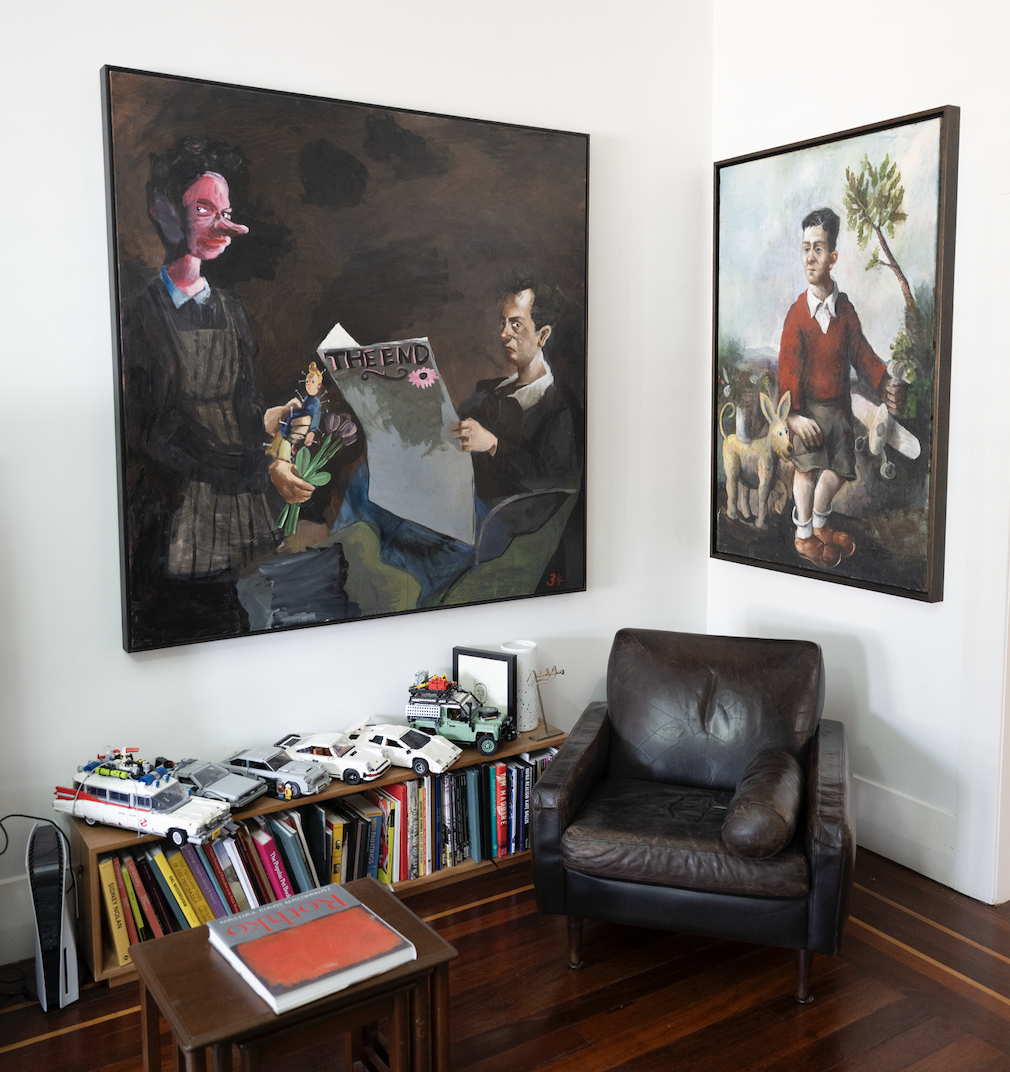
What role does living with artworks play in your everyday life?
Living with art is central to the way we experience the collection. These works are not separate from family life; they are an integral part of the house, the conversations we have and the way we think. Some paintings offer energy, others invite contemplation, and some shift quietly depending on the day. For us, living with art means allowing works to keep revealing themselves over time. They become companions rather than objects.

McLean Edwards, LA Story 2, 2012, Photo: Riste Andrievski
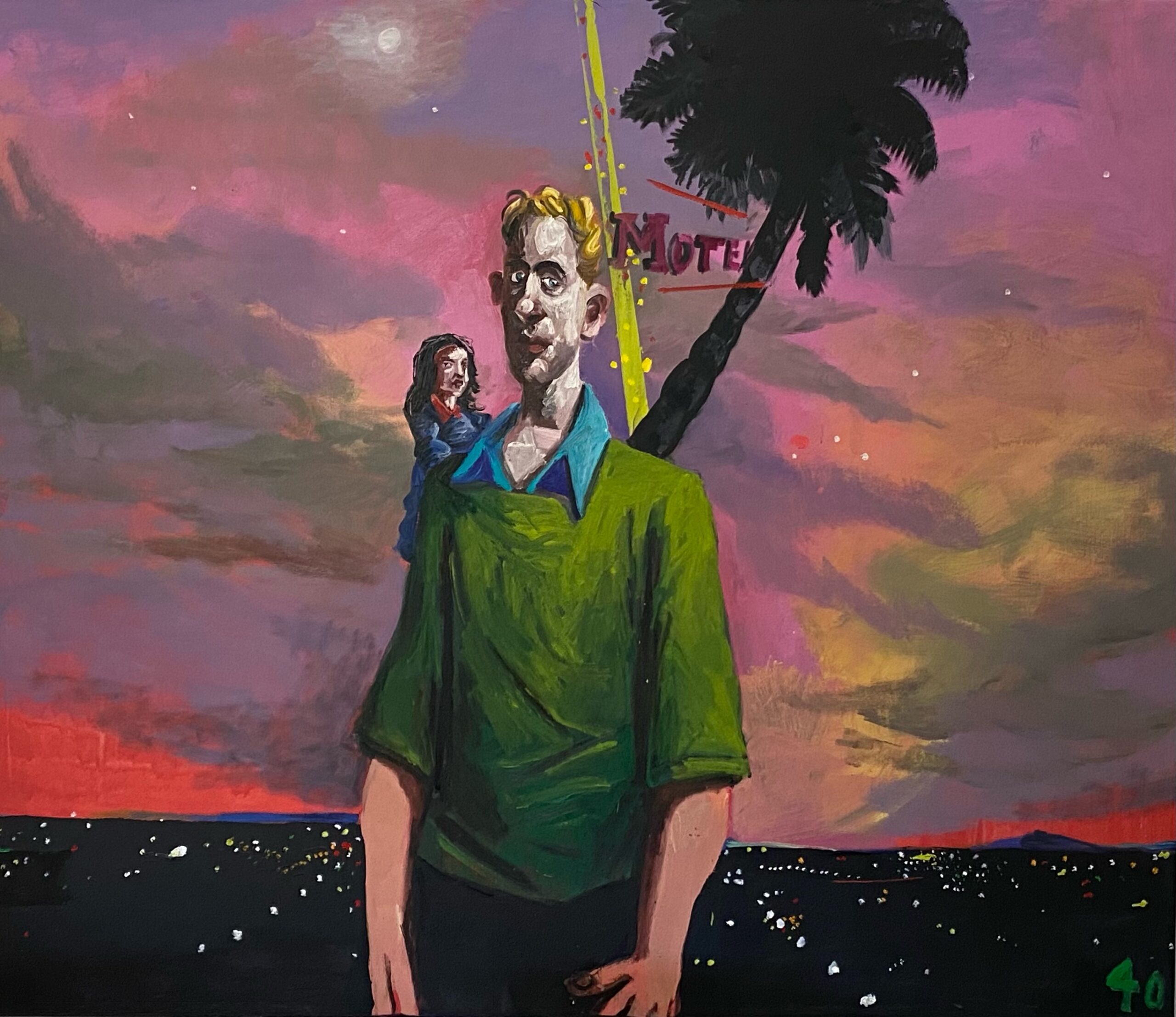
Your collection feels deeply shaped by long-term relationships with artists and a genuine sense of connection rather than a fixed collecting formula. How have those personal relationships influenced the way the collection has evolved over time?
We value the deep friendships we have developed with many of the artists in our collection, and feel very privileged to have such remarkable people in our lives. Collecting is often spoken about in terms of acquisition, but for us it has been much more about connection with artists, ideas and the wider community around contemporary art. Getting to know artists and following the development of their work over time has made the collection more personal and more layered. It also means that works carry memories: of studio visits, dinners, conversations, exhibitions and moments of shared enthusiasm. Those relationships have shaped the collection in ways no fixed formula ever could.
Through 3:33 Art Projects, we have also had the privilege of working with some of Australia’s leading artists, as well as some of its most exciting emerging artists, across more than 70 solo exhibitions over the past 15 years.

Joanna Braithwaite, Pant Man V, 2025, Photo: Riste Andrievski
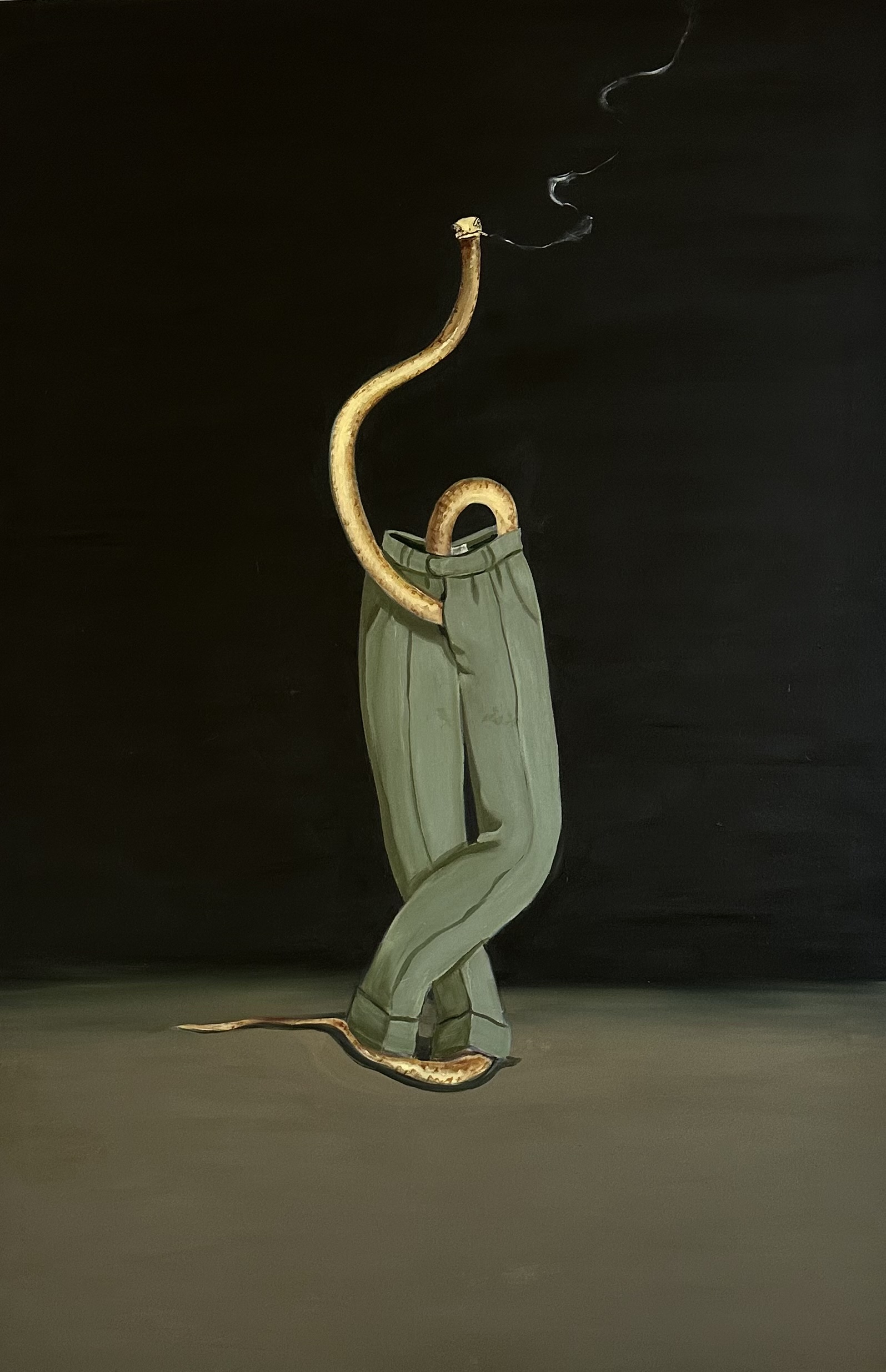
Sydney Contemporary brings together a wide range of artists and galleries each year. What do you most look forward to discovering at the Fair?
What is exciting about Sydney Contemporary is its sense of concentration and possibility. You can see so much at once: established galleries, younger spaces, artists you have followed for years and artists you are encountering for the first time. We look forward to those unexpected moments of recognition: seeing a work that makes you stop, returning to a gallery stand for a second or third look, or beginning a conversation that may lead somewhere over time. The Fair is also a wonderful reminder that collecting is not solitary; it is part of a broader ecosystem of artists, galleries, curators and audiences.

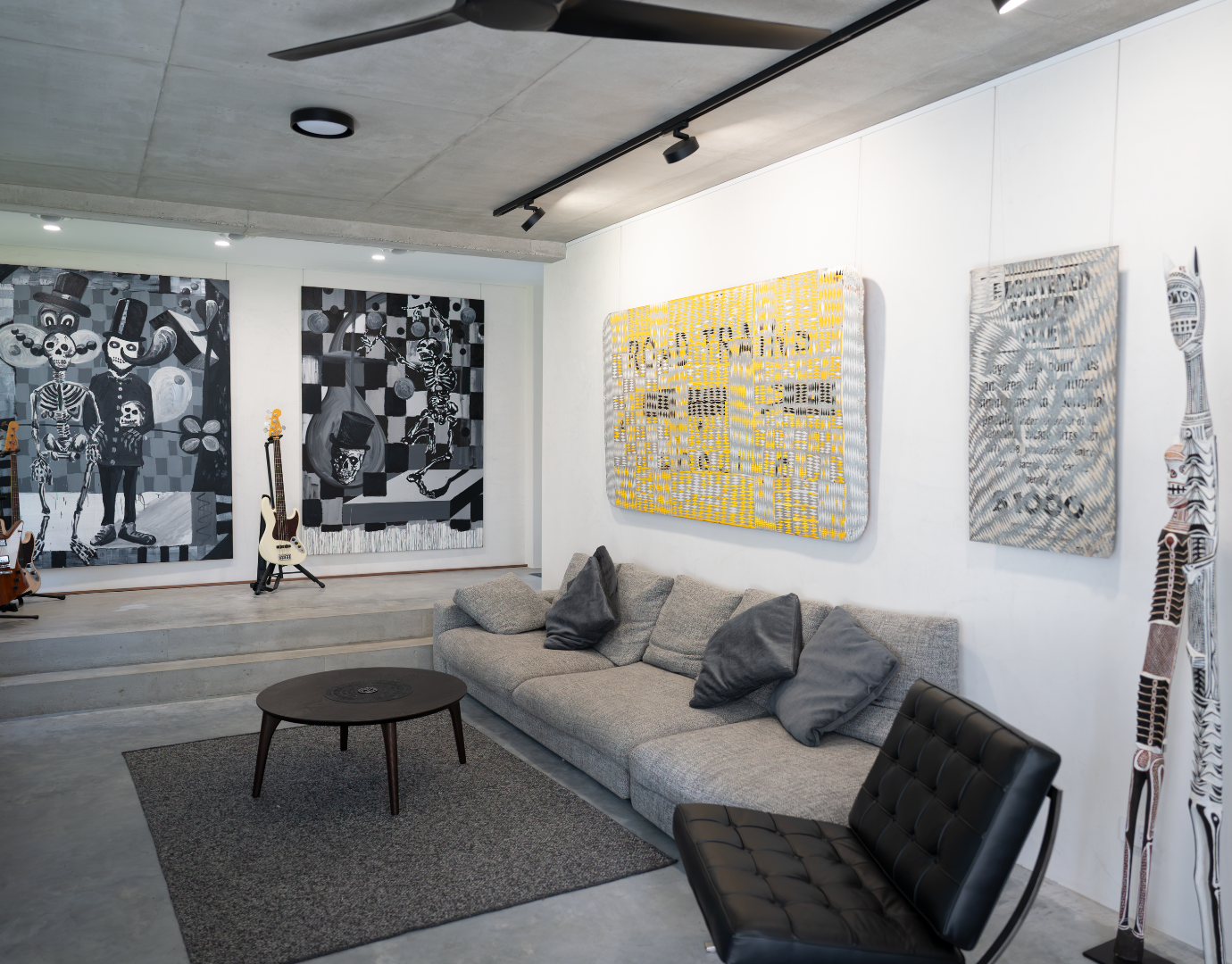
David Griggs (Right), Wanapati Yunupinu (Left), Nawurapu Wununmurra (Far Left). Photo: Riste Andrievski
What advice would you give to someone beginning their journey as a collector?
Start by looking as much as you can, and trust the works that stay with you. Visit galleries, fairs, artist-run spaces and exhibitions; ask questions; speak to artists and gallerists; and give yourself time to understand what genuinely moves you. It is easy to feel that you need a strategy from the beginning, but some of the most meaningful collections grow through curiosity, patience and relationships. Buy what you want to live with, not what you think you should buy. If a work keeps pulling you back, that is worth listening to.
Sydney Contemporary returns to Carriageworks from 3 – 6 September.
What began as a shared ambition between two friends has become one of Australia’s most influential contemporary galleries. Founded by Ursula Sullivan and Joanna Strumpf in 2005, Sullivan+Strumpf has spent the past two decades championing ambitious artists and building careers. Since Sydney Contemporary first opened its doors in 2013, the gallery has exhibited at every edition of the Fair, growing alongside it over more than a decade. We spoke with Ursula and Joanna about memorable moments, evolving alongside the Fair, and what keeps bringing them back.
Sullivan+Strumpf has exhibited at every edition of Sydney Contemporary since its launch in 2013. What has sustained that ongoing commitment to the Fair over more than a decade?
The audience is key to us, ever since the first edition. We find that it’s always the audiences who bring the energy and enthusiasm for contemporary art.
 Gregory Hodge, Suspension Painting, 2019. Installation view, Installation Contemporary at Sydney Contemporary 2019. Photography by Mark Pokorny.
 Gregory Hodge, Suspension Painting, 2019. Installation view, Installation Contemporary at Sydney Contemporary 2019. Photography by Mark Pokorny.
As one of Australasia’s leading contemporary galleries, how has your approach to the Fair evolved as Sydney Contemporary itself has grown in scale, ambition, and international reach?
We give the fair a lot of thought, we want bring a unique viewpoint – something that hasn’t been seen before, works that are inspiring and interesting.
Alex Seton, Winners Are Grinners (Yet Another Dictator), 2017-2019. Installation view, Installation Contemporary at Sydney Contemporary 2019. Photography by Mark Pokorny.
 Alex Seton, Winners Are Grinners (Yet Another Dictator), 2017-2019. Installation view, Installation Contemporary at Sydney Contemporary 2019. Photography by Mark Pokorny.
Looking back to those early editions in 2013, how different did the energy of the Fair feel then compared to the environment you’re presenting in today?
The fair and its audience have grown together, maturing with experience and expanding in viewpoint. Our first booth for Sydney Contemporary was quite unusual for us, we installed one massive painting by Sydney Ball from the 1970s at the front, with a large stockroom behind it. Safe to say, it was our most minimal presentation ever. Now we see the fair as an opportunity to present works by a really wide range of our artists, a kind of extension of the gallery itself.

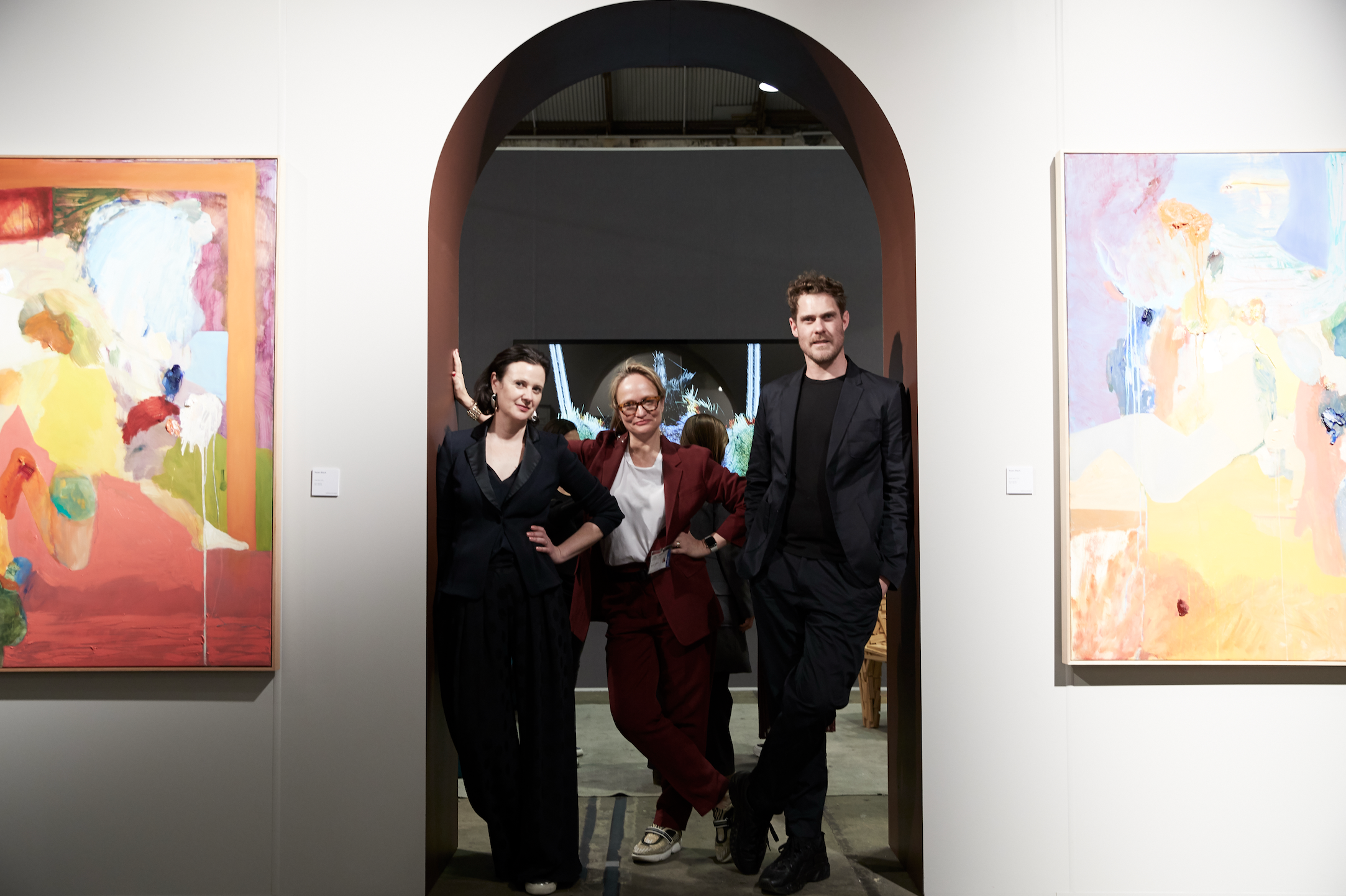
Ursula Sullivan and Joanna Strumpf at Sydney Contemporary, 2019
Your program spans major Australian contemporary artists across generations and mediums. How do you approach distilling such a broad and dynamic roster into a single booth presentation each year?
Of course, you can’t show everyone or do everything. For us, it’s about ensuring we’re presenting something fresh and unexpected, alongside local favourites.
Across more than ten years of participation, are there particular Sydney Contemporary presentations or artist moments that stand out as especially defining for the gallery?
While there are too many great moments to mention, one that stands out was the 2017 edition, when we presented a solo booth of works by Tony Albert. It remains one of the busiest fairs in our gallery’s history — the presentation sold out within a couple of hours of the vernissage, and we remember being pulled in opposite directions by usually very composed collectors! The same happened with Alex Seton’s presentation of his puffer jacket series in 2024.
We have had some impressive works in Installation Contemporary over the years, including Ramesh, Alex Seton, Lindy Lee, Michael Lindeman, Sanne Mestrom, Greg Hodge, just to name a few. Our collaboration with David Flack in 2019 was incredible, resulting in the best booth shots ever!

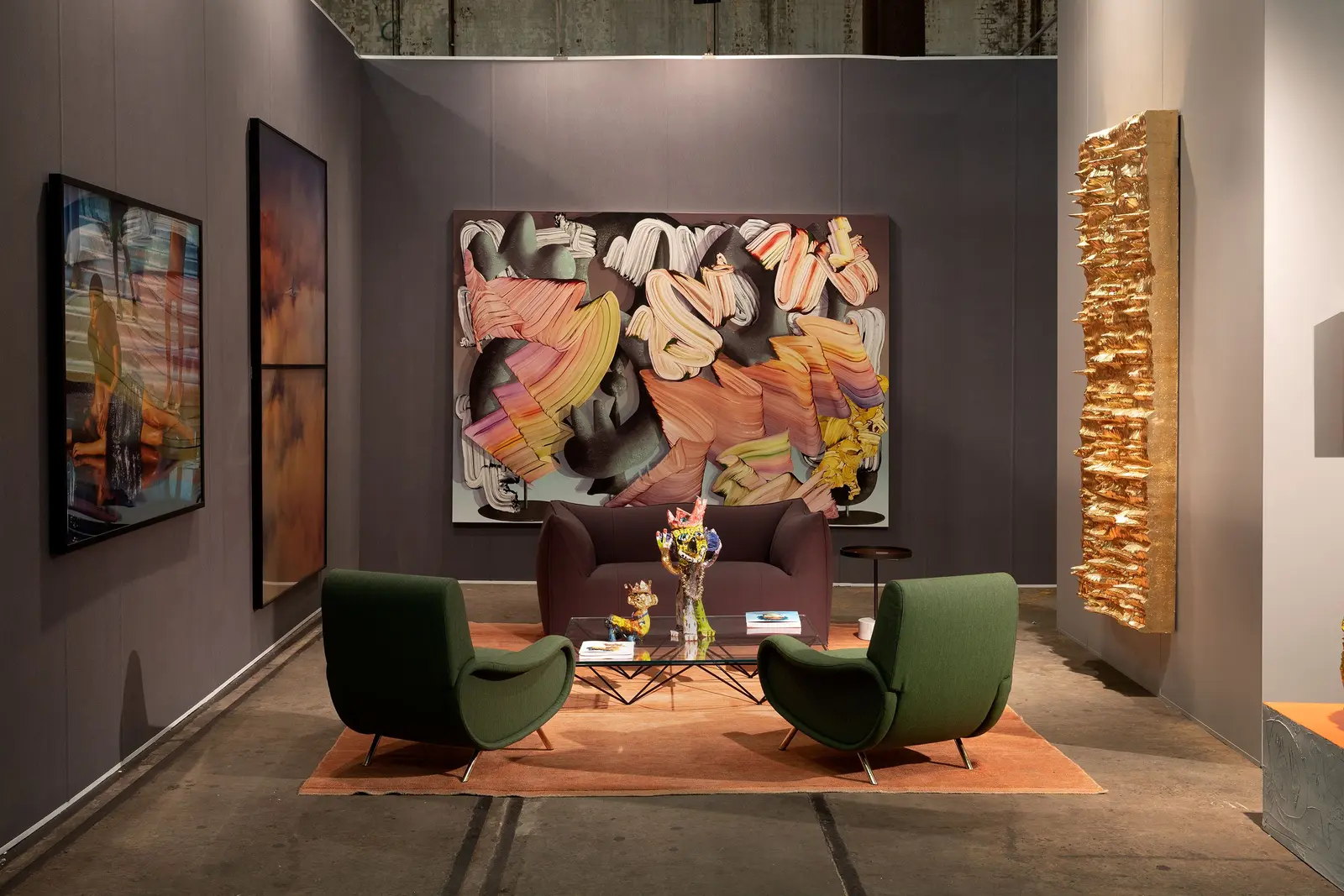
Sydney Contemporary, booth designed in collaboration with Flack Studio, 2019. Installation view, Carriageworks, Sydney Contemporary. Photography courtesy of Sydney Contemporary.
As Sydney Contemporary marks its 10th edition, how do you see its role in shaping the Australasian contemporary art landscape going forward?
The fair just keeps getting bigger and better – bring on the next 10 years!
___
Sydney Contemporary returns to Carriageworks from 3 – 6 September.
sullivanstrumpf.com
Facebook
Instagram
